California's EV Rebate Excludes Certain Automakers
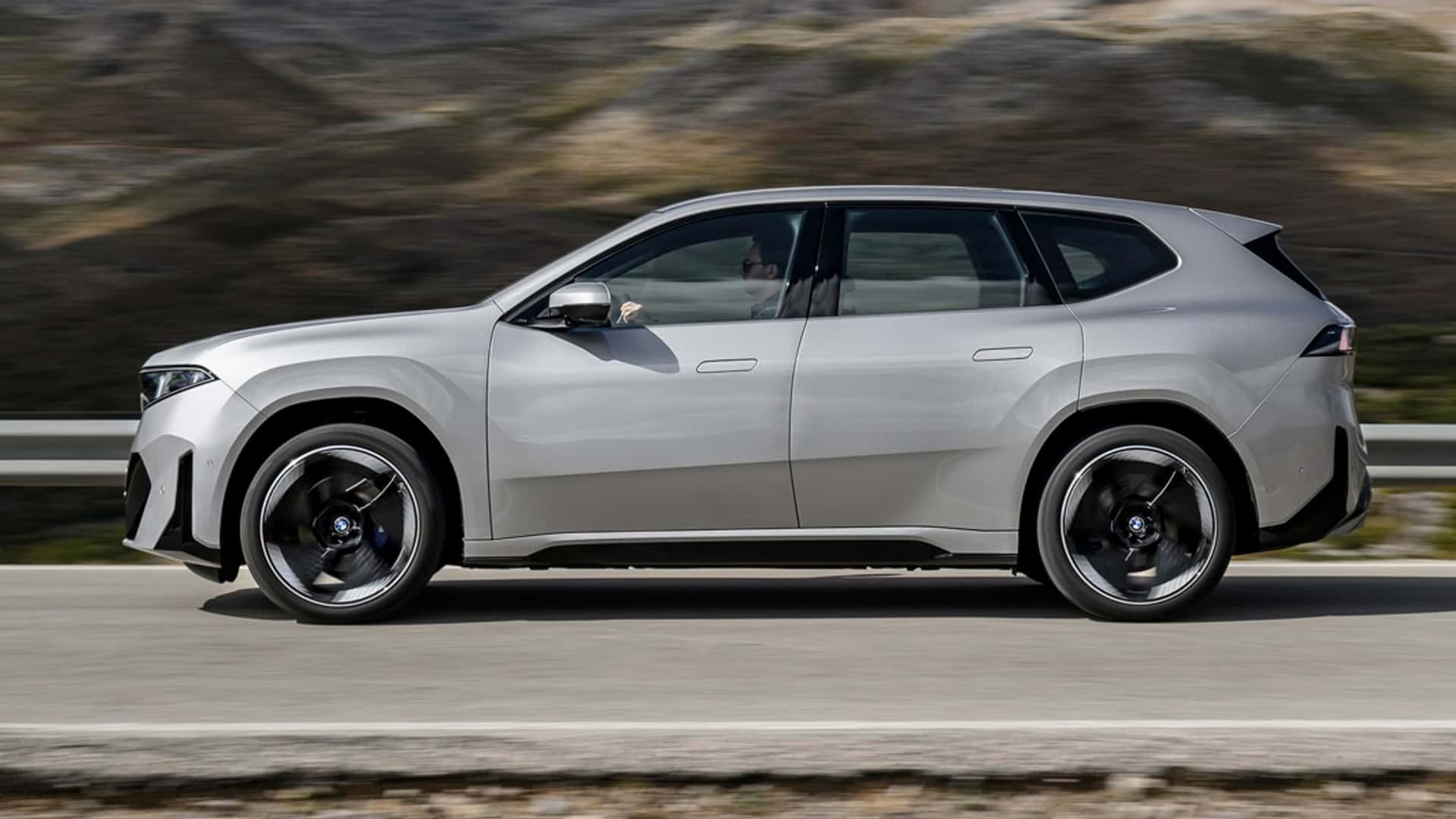
California's electric vehicle rebate program will no longer apply to cars from certain automakers, including BMW and Mercedes. This change affects buyers looking for rebates on new EV purchases, as only vehicles from 13 qualifying brands will be eligible. The decision aims to streamline the rebate process and ensure that incentives are directed towards more affordable options.

Key takeaways
30-second read- 1Buyers of EVs from non-qualifying brands may miss out on significant savings, impacting their purchasing decisions.
- 2The exclusion of luxury brands could steer consumers towards more affordable EV options, potentially increasing market competition.
- 3Understanding which brands qualify is crucial for buyers who rely on rebates to offset the high initial costs of electric vehicles.
Confirmed
No official source linked yet
Reported
Secondary reporting: InsideEVs
Verify yourself
Eligibility, local prices and dates for your car, state or utility

California's electric vehicle (EV) rebate program has undergone a significant change, as it will no longer apply to vehicles from certain automakers, including well-known luxury brands like BMW and Mercedes. This decision narrows the list of eligible vehicles to those from 13 qualifying brands, aiming to focus incentives on more affordable options for consumers.
What Changed
The California EV rebate program has updated its eligibility criteria, resulting in the exclusion of several luxury automakers from the list of brands whose vehicles qualify for rebates. This change means that buyers looking to purchase EVs from brands such as BMW and Mercedes will not be able to take advantage of the state’s rebate incentives, which are designed to encourage the adoption of electric vehicles.
Why It Matters for Buyers/Owners
This shift in the rebate program has several implications for current and prospective EV buyers:
- Financial Impact: Buyers of EVs from non-qualifying brands may face higher out-of-pocket costs, as they will not benefit from the financial incentives that could significantly reduce the price of their new vehicle.
- Market Dynamics: The exclusion of luxury brands could lead to a shift in consumer preferences towards more affordable EV options, potentially increasing competition among manufacturers in that segment.
- Informed Purchasing: Understanding which brands qualify for rebates is essential for buyers who rely on these incentives to make electric vehicles more financially accessible.
Key Details from Source Material
According to InsideEVs, the decision to exclude certain automakers from the rebate program is based on a desire to streamline the process and ensure that incentives are directed towards vehicles that are more affordable for the average consumer. While the specific criteria for qualifying brands have not been detailed, the focus appears to be on promoting wider adoption of electric vehicles among a broader demographic.
What to Watch Next
As this situation develops, it will be important to monitor any further announcements from California's state government regarding the criteria for EV rebates. Additionally, potential changes in consumer behavior and market dynamics following this decision could provide insights into how the EV landscape evolves in response to these new limitations. Buyers should stay informed about which brands remain eligible for rebates and consider their options carefully when planning an EV purchase.
In conclusion, the exclusion of certain automakers from California's EV rebate program represents a significant shift in the state's approach to incentivizing electric vehicle adoption. Buyers will need to navigate these changes carefully to ensure they maximize their savings when purchasing a new electric vehicle.
Sources
1 media- [1]California's EV Rebate Won't Apply To All Cars. These 13 Automakers QualifyMedia
InsideEVs · insideevs.com · published Jul 17
Newsletter
Weekly EV signal. No spam.
Comments
Log in with
Loading comments…