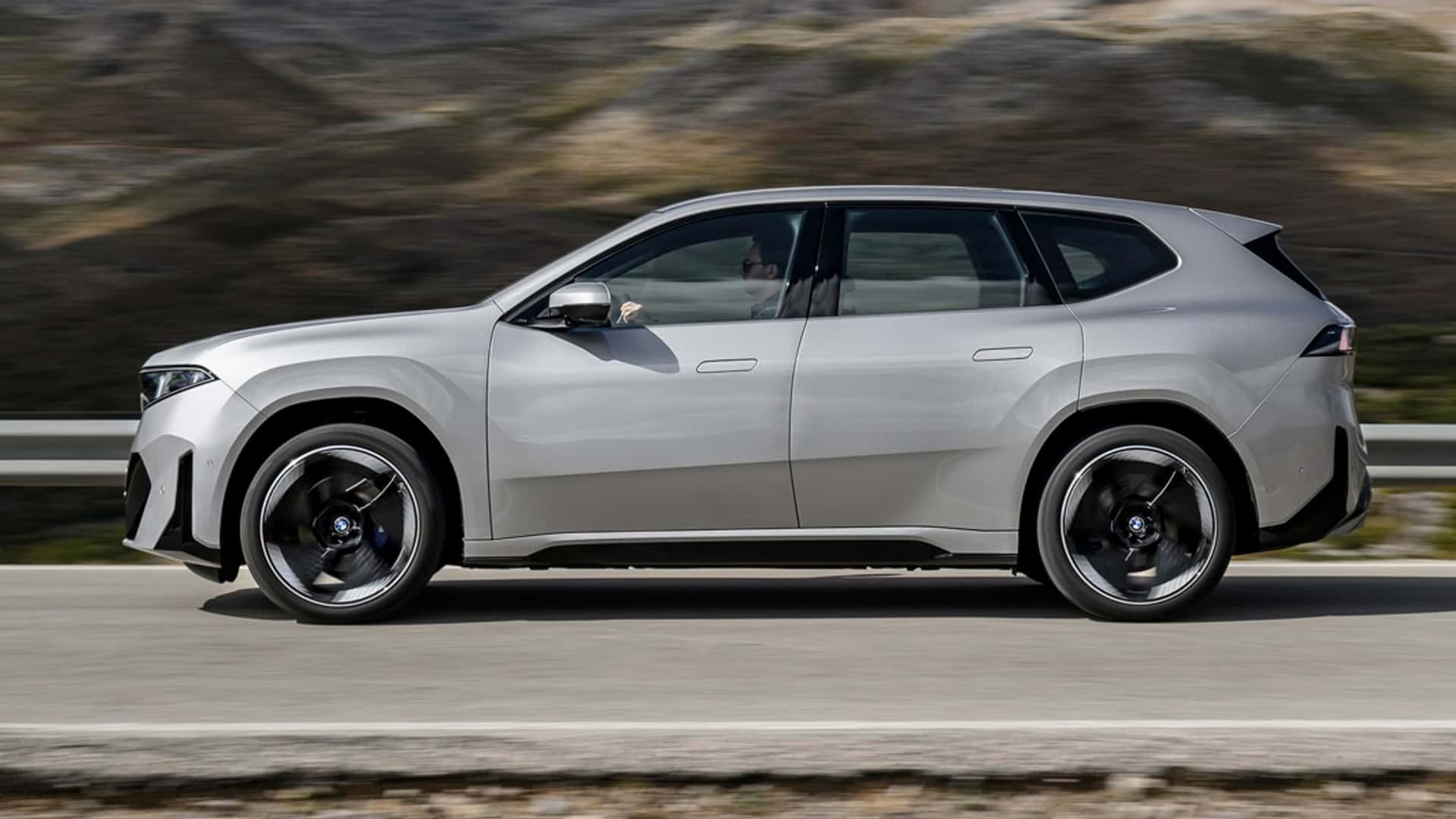
California Expands Vehicle-to-Grid Program for EV Owners
California has expanded its vehicle-to-grid (V2G) program, allowing more electric vehicle (EV) owners to earn money by supplying power back to the state's grid. This initiative now includes new models like the Chevy Bolt EV and Kia EV9, which are capable of V2G power sharing. However, details on eligibility and compensation rates remain unclear.

Key takeaways
30-second read- 1EV owners can potentially earn money by participating in the V2G program, which could offset ownership costs.
- 2The inclusion of popular models like the Chevy Bolt EV and Kia EV9 makes the program accessible to a broader range of EV owners.
- 3The program may enhance charging access and grid reliability, especially during peak demand periods.
Confirmed
No official source linked yet
Reported
Secondary reporting: InsideEVs
Verify yourself
Eligibility, local prices and dates for your car, state or utility
California Expands Vehicle-to-Grid Program for EV Owners
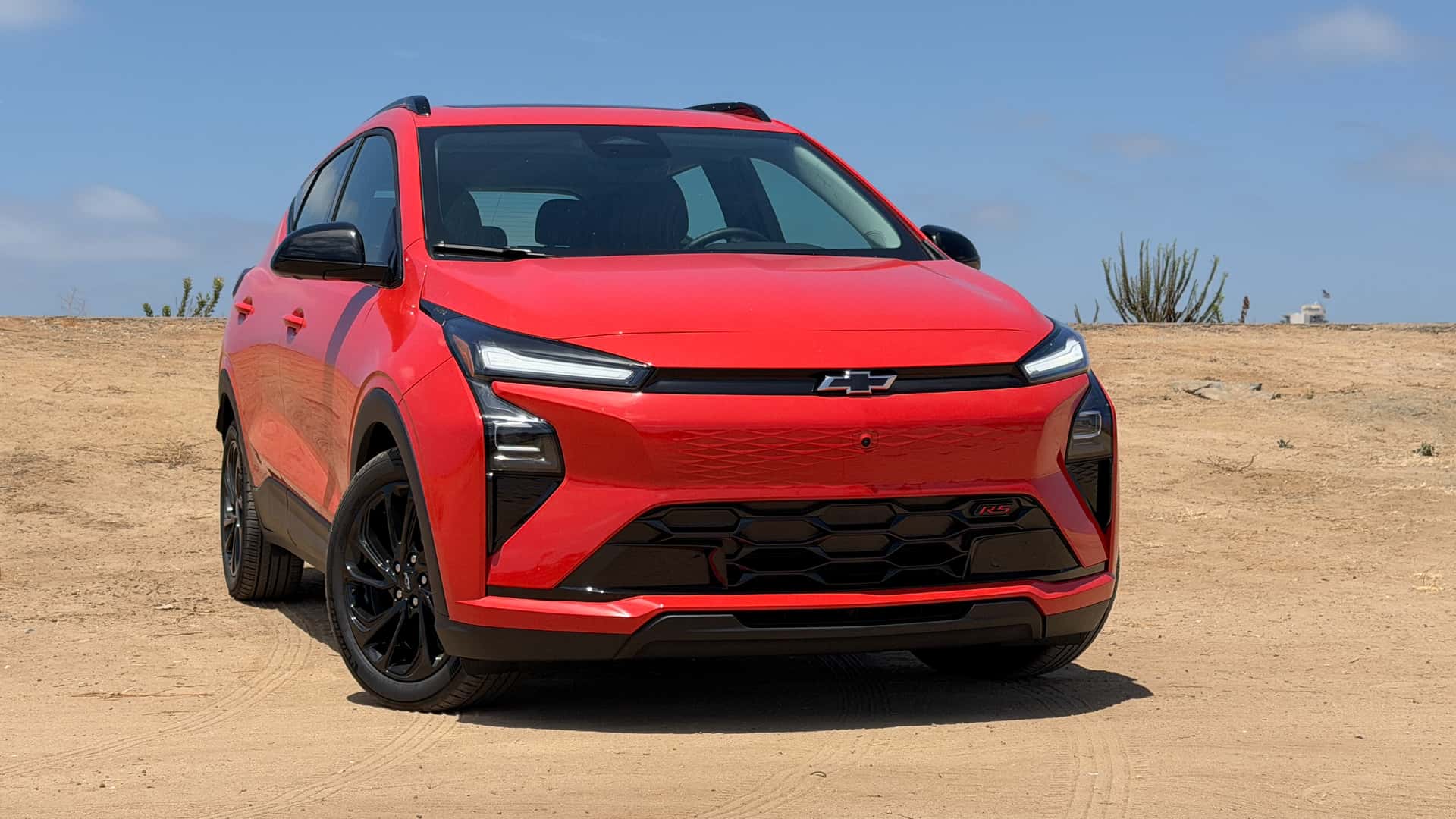
California has recently expanded its vehicle-to-grid (V2G) program, enabling more electric vehicle (EV) owners to earn compensation by supplying power back to the state's grid. This initiative is particularly significant for owners of newer EV models, including the Chevy Bolt EV and Kia EV9, which are now capable of participating in this power-sharing arrangement.
What Changed
The expansion of California's V2G program allows a wider range of EV owners to engage in power sharing with the state's electrical grid. Previously, the program may have had limited eligibility, but the introduction of popular models like the Chevy Bolt EV and Kia EV9 marks a shift towards inclusivity. These vehicles are equipped with the necessary technology to facilitate V2G charging, making it easier for owners to contribute to grid stability while potentially earning money.
Why It Matters for Buyers/Owners
- Potential Earnings: By participating in the V2G program, EV owners can earn money, which may help offset the costs associated with owning an electric vehicle. This financial incentive could make EV ownership more appealing to prospective buyers.
- Broader Access: The inclusion of widely used models like the Chevy Bolt EV and Kia EV9 means that more EV owners can take advantage of this program, increasing participation rates and enhancing the overall effectiveness of the grid.
- Grid Reliability: The ability for EVs to supply power back to the grid can help improve grid reliability, especially during peak demand times. This could lead to a more stable energy environment in California, benefiting all residents.
Key Details from Source Material
According to InsideEVs, the new Chevy Bolt EV and Kia EV9 are among the latest EVs that support vehicle-to-grid power sharing. This capability allows these vehicles to discharge energy back into the grid, providing a valuable resource during times of high demand. However, specific details regarding compensation rates for EV owners participating in the program have not yet been disclosed, leaving some uncertainty about the financial benefits.
What to Watch Next
As this program develops, it will be important to monitor updates regarding eligibility criteria, compensation structures, and any additional models that may be included in the V2G initiative. Stakeholders, including EV manufacturers and utility companies, may provide further insights into how this program will operate and its long-term implications for EV owners in California. Additionally, keeping an eye on consumer feedback and participation rates will be crucial in assessing the program's success and areas for improvement.
Sources
1 media- [1]More EV Owners Can Now Get Paid To Power California’s GridMedia
InsideEVs · insideevs.com · published Aug 24
Newsletter
Weekly EV signal. No spam.
Comments
Log in with
Loading comments…