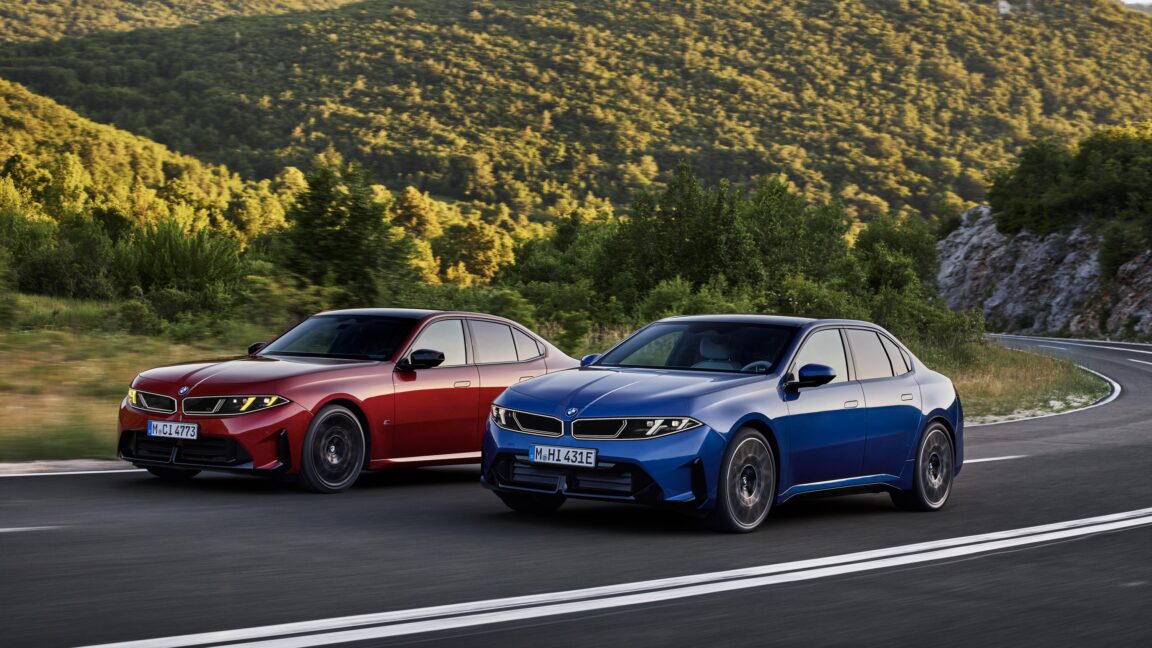
BMW Announces Pricing for 2027 3 Series and i3 50 xDrive in the US

Edited by Volta Kessrin
Models, Pricing & Buying
Updated October 1, 2026
3 min read
1 linked source
BMW has revealed the starting prices for its 2027 3 Series models in the US, with the gasoline-powered 330 starting at $49,900 and the electric i3 50 xDrive priced at $61,500. This significant price difference highlights the premium associated with electric vehicles compared to their gasoline counterparts. Buyers should consider this pricing when evaluating their options in the EV market.
Share this story
Why it matters
- ✓The i3 50 xDrive's higher price point may limit its accessibility to a broader range of buyers, potentially affecting EV adoption.
- ✓Consumers comparing traditional gas vehicles to EVs will need to weigh the cost difference against potential savings in fuel and maintenance.
- ✓The pricing announcement may influence buyer decisions in the luxury EV segment, especially for those considering the 3 Series.
BMW Announces Pricing for 2027 3 Series and i3 50 xDrive in the US
BMW has officially revealed the pricing for its 2027 3 Series lineup in the United States, which includes both gasoline and electric models. The gasoline-powered 330 will start at $49,900, while the electric i3 50 xDrive carries a significantly higher starting price of $61,500. This substantial price gap underscores the premium that electric vehicles (EVs) often command in the market compared to traditional internal combustion engine vehicles.
What Changed
The key update from BMW is the announcement of the starting prices for the 2027 3 Series models. The 330, which is the gasoline variant, is positioned at a more accessible price point of $49,900, while the electric i3 50 xDrive is priced at $61,500. This pricing structure reflects the broader trend in the automotive industry where EVs typically come with a higher upfront cost than their gasoline counterparts.
Why It Matters for Buyers/Owners
- Accessibility: The higher price of the i3 50 xDrive may deter some potential buyers, particularly those who are price-sensitive or new to the EV market. This could slow the rate of EV adoption among luxury vehicle buyers.
- Cost Comparison: Prospective buyers will need to carefully evaluate the cost difference between the gasoline and electric models. While the i3 50 xDrive offers the benefits of zero emissions and potentially lower operating costs, the initial investment is significantly higher.
- Market Influence: The pricing strategy could impact consumer choices in the luxury EV segment, especially as more automakers enter the market with competitive pricing and features.
Key Details from Source Material
According to Ars Technica, the starting price for the gasoline-powered 2027 BMW 330 is $49,900, while the electric i3 50 xDrive is priced at $61,500. This pricing announcement is crucial for consumers who are considering their options in the rapidly evolving EV market, particularly in the luxury segment where BMW competes.
What to Watch Next
As the automotive market continues to evolve, it will be important to monitor how BMW's pricing strategy affects sales and consumer interest in both the 330 and the i3 50 xDrive. Additionally, potential incentives or rebates for electric vehicle purchases could influence the overall cost for buyers, making it essential to stay updated on any government policies that may impact EV pricing. Furthermore, as more details about the features and performance of the 2027 models become available, consumers will have a clearer picture of the value proposition of these vehicles.
Sources
These are the documents and reports used to build this brief so readers can verify the story directly.
- BMW reveals US 3 series pricing: The EV carries a hefty premium — Ars Technica CarsMEDIA
Reporting notes
EV Signal briefs are written to explain the verified change first, then add the context EV buyers and owners need to understand cost, availability, charging access, eligibility, or ownership impact.
If details are still developing, we try to say what is confirmed, what comes from secondary reporting, and what readers should verify before acting.
Source mix
1 linked source
1 media
Reviewed from: Ars Technica Cars.
Comments
Log in with
Loading comments…
More in Buying
NIO Reports 25% Increase in Q3 Deliveries, September Growth Slows to 7.7%
NIO delivered 109,178 electric vehicles in Q3 2026, marking a 25.4% increase compared to the same…
Just now
Rivian R2 Will Not Feature Lidar This Year
Rivian has confirmed that while it plans to launch its new autonomy computer and lidar technology…
Just now

BMW's New 3 Series EV Priced $4,400 Lower than Gasoline Version
BMW has launched a new version of its 3 Series that includes both gasoline and electric variants,…
Just now
Chinese Car Brands Gain Traction in Brazil
During a recent trip to Brazil, a journalist observed the growing presence of Chinese car brands in…
6h ago