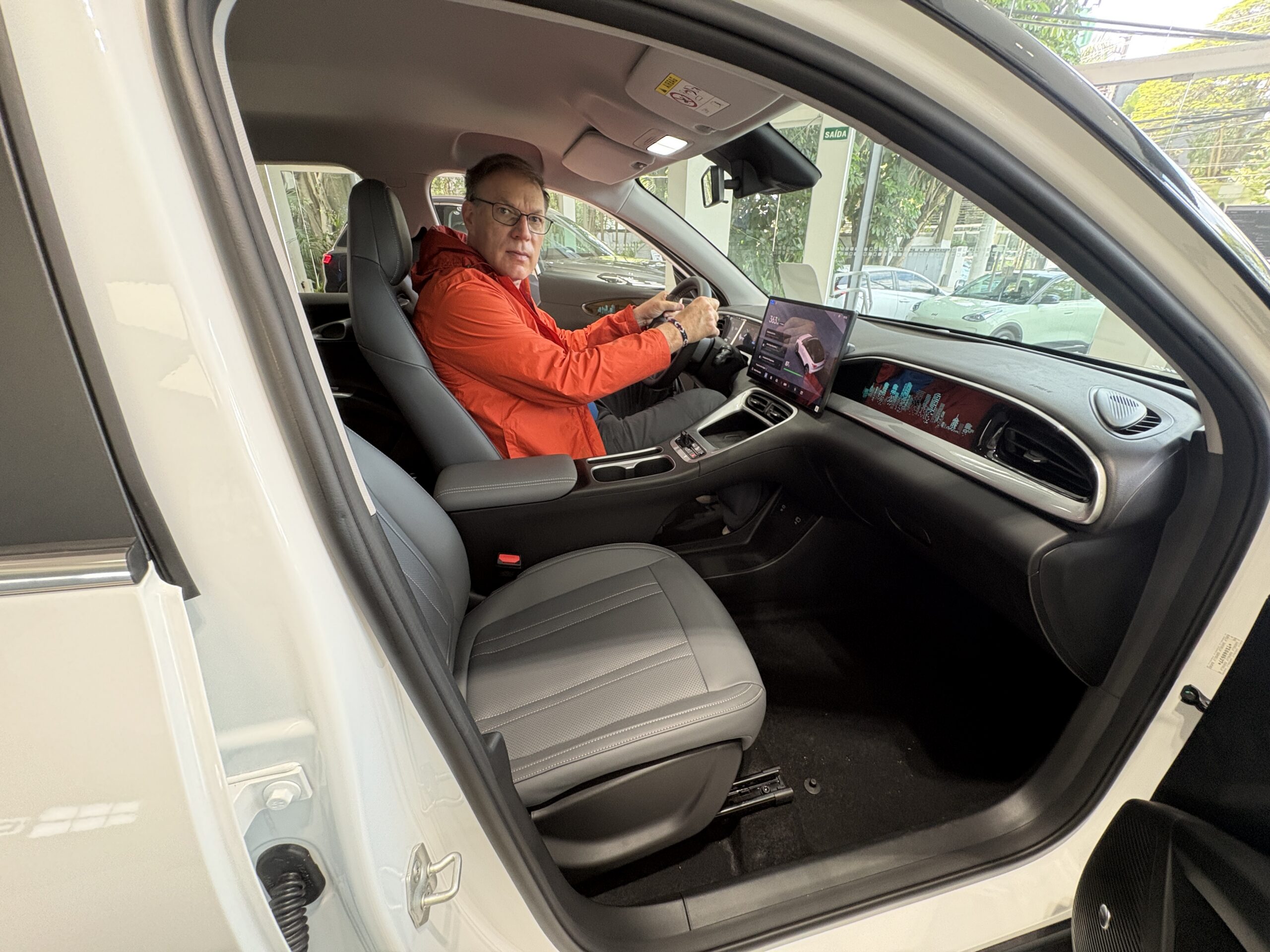
Chinese Car Brands Gain Traction in Brazil

Edited by Volta Kessrin
Models, Pricing & Buying
Updated October 1, 2026
3 min read
1 linked source
During a recent trip to Brazil, a journalist observed the growing presence of Chinese car brands in the market, particularly in Sao Paulo. This trend reflects a significant shift in consumer preferences and the automotive landscape in Brazil, although details on specific models and market impacts are still emerging.
Share this story
Why it matters
- ✓Increased competition may lead to lower prices for consumers, benefiting EV buyers.
- ✓The rise of Chinese brands could expand the availability of electric vehicles in Brazil, enhancing consumer choices.
- ✓Potential changes in market dynamics could influence charging infrastructure development and ownership costs.
Chinese Car Brands Gain Traction in Brazil
A recent visit to southern Brazil revealed a notable increase in the presence of Chinese car brands, particularly in the Sao Paulo region. This shift is indicative of changing consumer preferences and the evolving automotive landscape in Brazil. The journalist visited four dealerships selling Chinese brands, some of which are assembled locally, highlighting the growing acceptance and integration of these vehicles in the Brazilian market.
What Changed?
The trip underscored the rapid rise of Chinese automotive brands in Brazil, which have been gaining traction among consumers. The journalist's firsthand observations at various dealerships suggest that these brands are not only entering the market but are also becoming competitive options for buyers. While CleanTechnica has previously reported on the Brazilian market, this visit provided a more personal insight into the current state of affairs.
Why It Matters for Buyers/Owners
The increasing presence of Chinese car brands in Brazil could have several implications for EV buyers and owners:
- Price Competition: As more brands enter the market, competition may drive prices down, making electric vehicles more accessible to a broader audience.
- Expanded Choices: The availability of Chinese brands could diversify the options for consumers, potentially leading to more innovative and affordable electric vehicles.
- Infrastructure Development: A shift in market dynamics may prompt improvements in charging infrastructure, as more manufacturers look to support their vehicles with adequate resources.
Key Details from Source Material
The journalist's exploration of the Brazilian automotive market revealed that several Chinese brands are not only selling vehicles but are also assembling them locally. This local assembly could play a crucial role in reducing costs and increasing the availability of these vehicles. However, specific details about the models available, pricing structures, and consumer reception are still developing and require further investigation.
What to Watch Next
As the trend of Chinese car brands gaining ground in Brazil continues, it will be important to monitor:
- The specific models that become available and their pricing compared to existing options in the market.
- Consumer feedback and acceptance of these brands, which will be crucial for their long-term success.
- Developments in charging infrastructure that may arise as a response to the increased demand for electric vehicles.
In conclusion, the rise of Chinese car brands in Brazil represents a significant shift in the automotive landscape, with potential benefits for consumers. However, as this situation evolves, further details will be necessary to fully understand its implications for the electric vehicle market.
Sources
These are the documents and reports used to build this brief so readers can verify the story directly.
- My Trip To Brazil To See The Rapid Rise Of Chinese Cars, Part 1 — CleanTechnicaMEDIA
Reporting notes
EV Signal briefs are written to explain the verified change first, then add the context EV buyers and owners need to understand cost, availability, charging access, eligibility, or ownership impact.
If details are still developing, we try to say what is confirmed, what comes from secondary reporting, and what readers should verify before acting.
Source mix
1 linked source
1 media
Reviewed from: CleanTechnica.
Comments
Log in with
Loading comments…
More in Buying
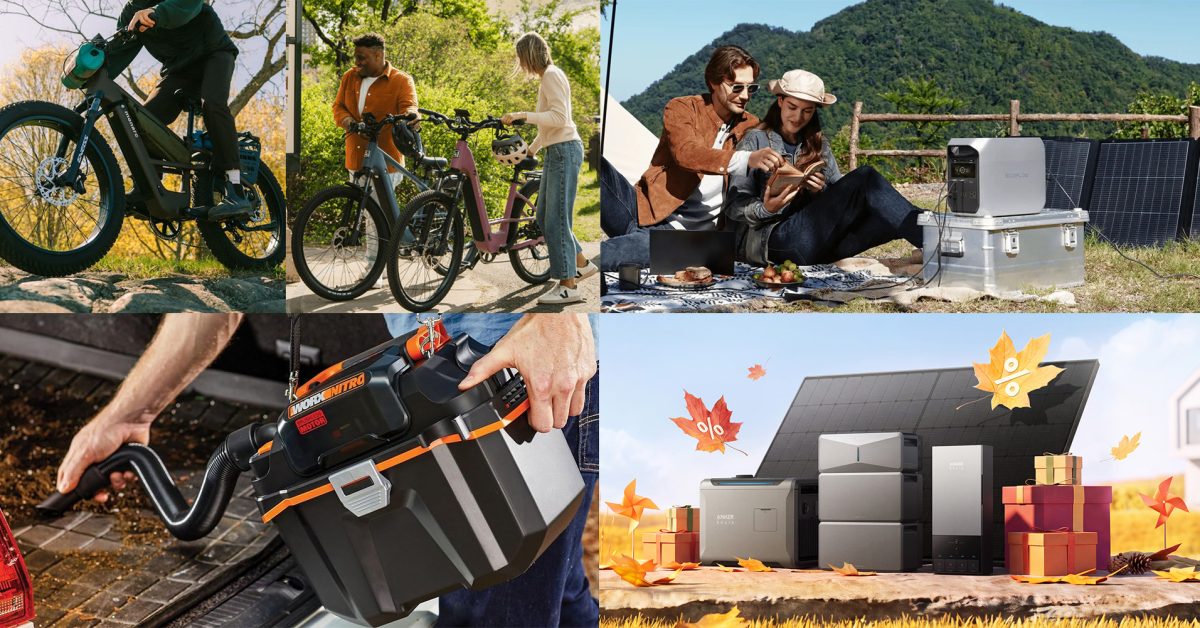
Monarc Smart E-Bikes Offer $838 Free Bundles Amid Flash Sales on EcoFlow and Anker Products
Monarc is currently offering a limited-time promotion that includes a free bundle valued at $838…
11h ago

Study Reveals Second-Hand EVs Retain Value Better Than Expected
A new analysis by Transport & Environment (T&E) indicates that second-hand electric vehicles (EVs)…
23h ago
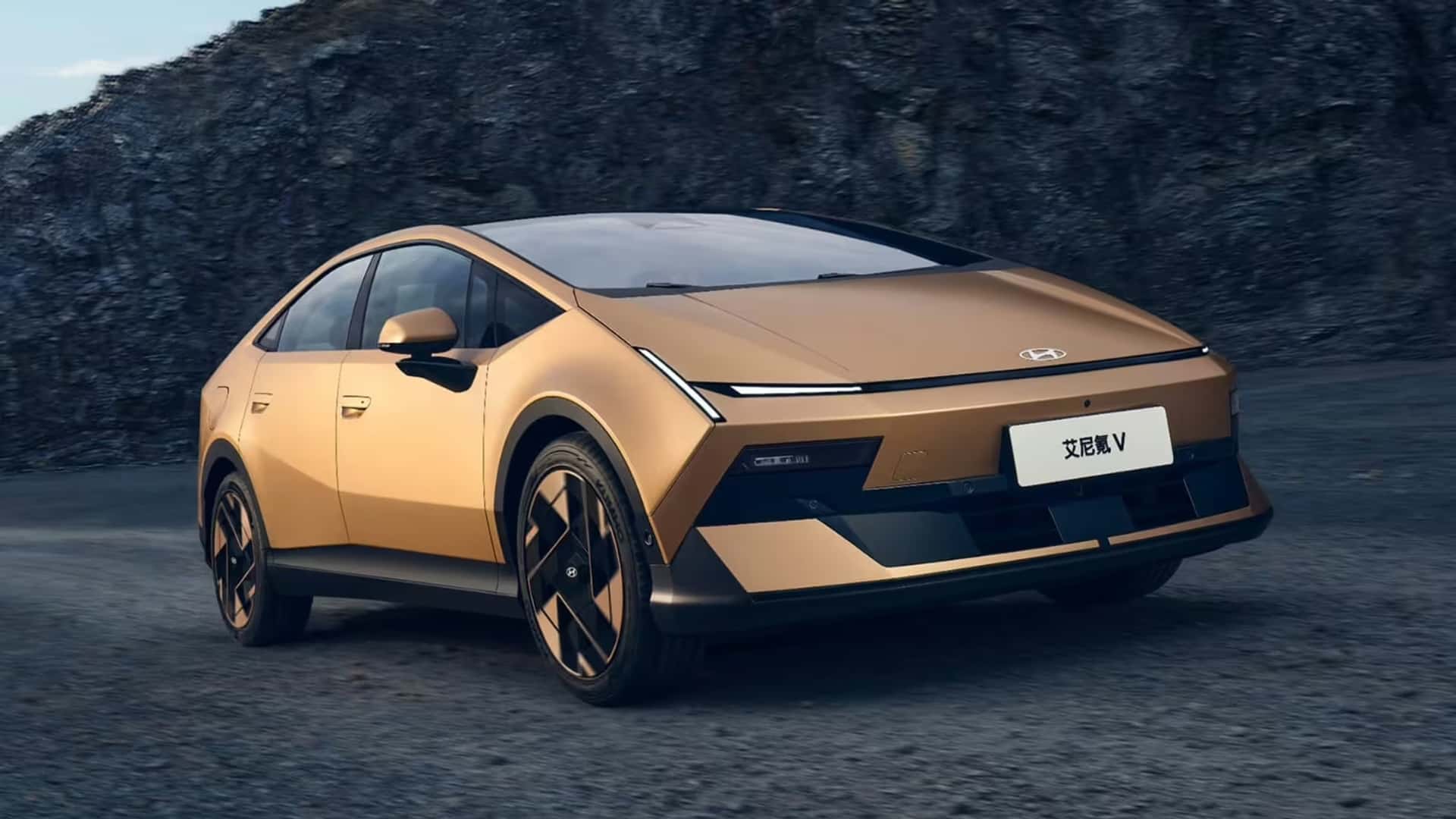
Hyundai Ioniq V Launches at $14,800 in China
The Hyundai Ioniq V has officially launched in China at a starting price of just $14,800. This…
1d ago
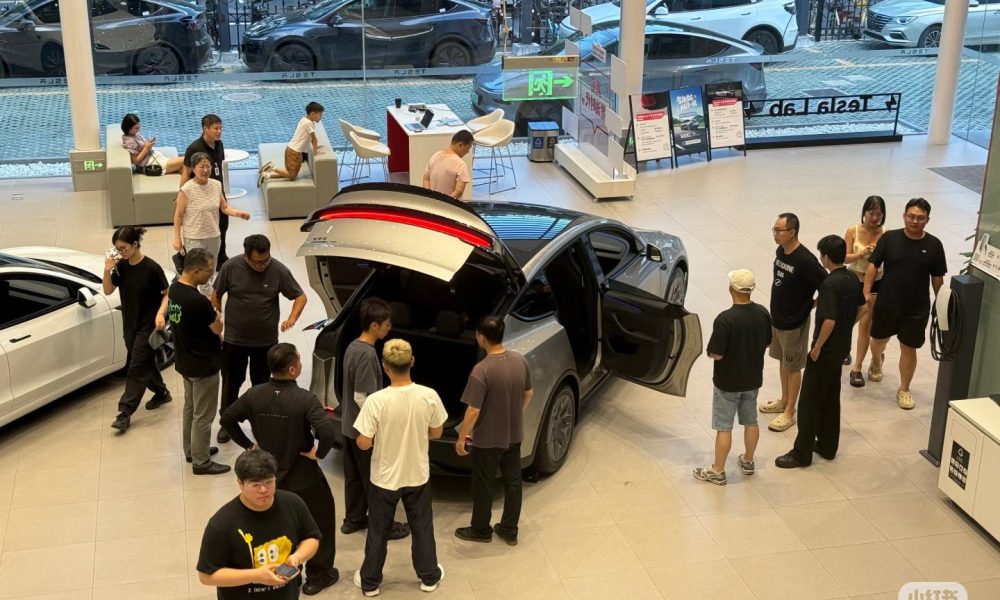
Tesla Showrooms Sold Out Ahead of Q3 End Due to Strong Demand
Tesla showrooms are experiencing significant inventory shortages as the third quarter comes to a…
1d ago