Allye Introduces 400 kW EV Charger Utilizing Old EV Batteries
Allye has launched a new 400 kW DC fast charger that can operate using a simple 16A grid connection, significantly reducing the time required to set up charging stations. This innovation allows for quicker deployment at depots and temporary sites, benefiting EV owners and businesses looking for efficient charging solutions. However, the specifics of its availability and broader rollout remain unclear.

Key takeaways
30-second read- 1Reduces the time and cost associated with installing new charging infrastructure.
- 2Potentially increases access to fast charging for EV owners in areas with limited grid capacity.
- 3Could lower ownership costs for businesses by minimizing the need for expensive grid upgrades.
Confirmed
No official source linked yet
Reported
Secondary reporting: InsideEVs
Verify yourself
Eligibility, local prices and dates for your car, state or utility
Introduction
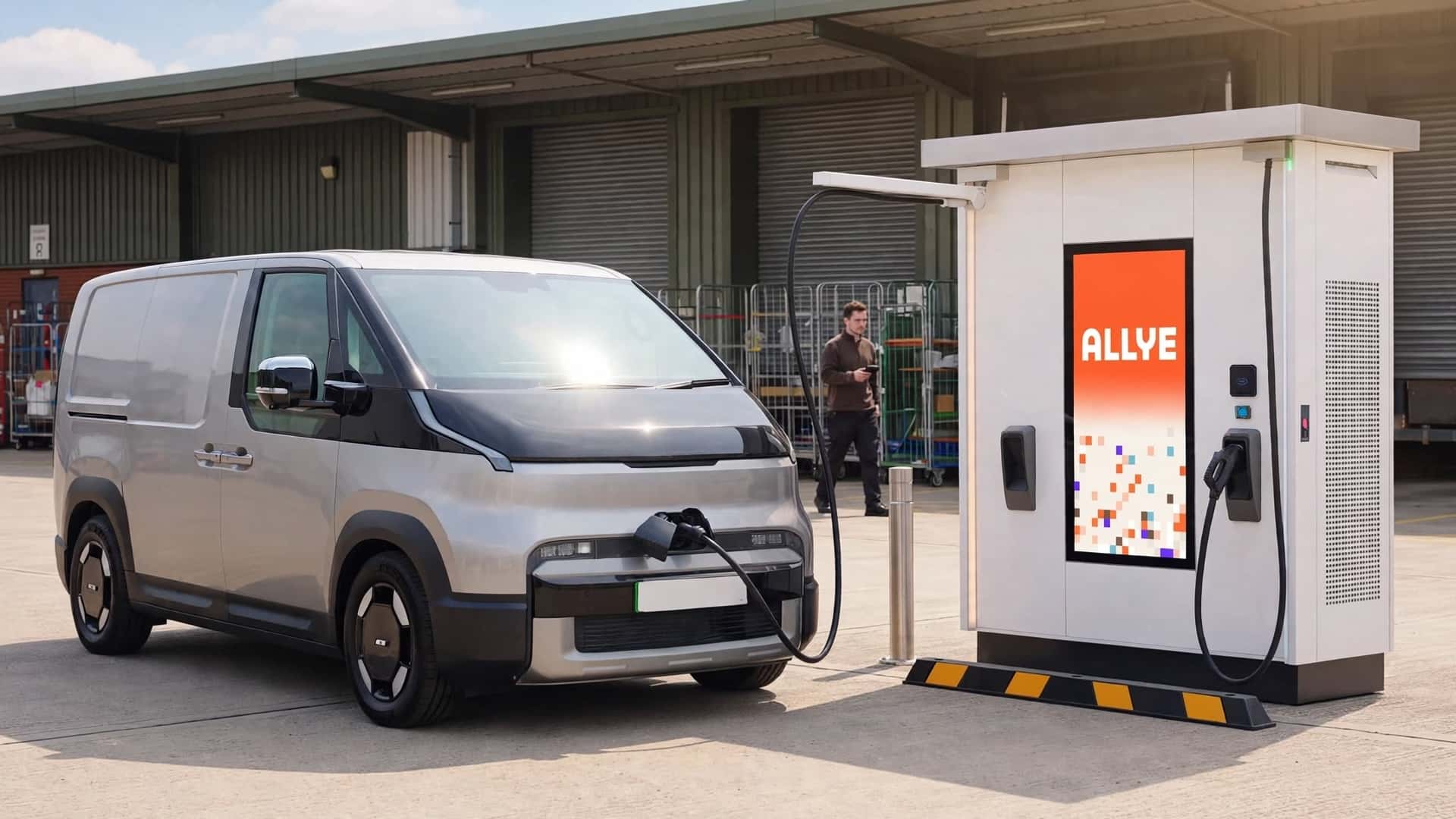
Allye has unveiled a groundbreaking 400 kW DC fast charger that leverages old electric vehicle (EV) batteries to operate efficiently. This innovative charging solution can function with a simple 16A grid connection, enabling rapid deployment at various locations, including depots and temporary sites.
What Changed
The introduction of this new charger marks a significant advancement in EV charging technology. By utilizing repurposed batteries from older EVs, Allye aims to circumvent the need for costly upgrades to existing electrical grid infrastructure. This development allows for the establishment of charging stations in a matter of hours rather than months, streamlining the process for businesses and municipalities looking to enhance their EV charging capabilities.
Why It Matters for Buyers and Owners
- Reduced Setup Time and Costs: The ability to deploy charging stations quickly and with minimal grid requirements can lead to lower installation costs for businesses and faster access to charging for EV owners.
- Increased Charging Access: This technology could expand charging infrastructure in areas that previously lacked sufficient grid capacity, improving convenience for EV drivers.
- Sustainability: By repurposing old EV batteries, this initiative promotes sustainability within the EV ecosystem, potentially lowering the environmental impact of battery disposal.
Key Details from Source Material
According to InsideEVs, the new charger from Allye is designed to energize charging depots and temporary sites in a fraction of the time traditionally required. The use of a 16A grid connection simplifies the setup process and reduces the overall costs associated with establishing new charging stations. This is particularly beneficial for locations that may not have the infrastructure to support high-capacity chargers.
What to Watch Next
While the introduction of this charger is promising, details regarding its availability and broader deployment strategy are still emerging. Stakeholders in the EV market, including potential buyers and owners, should keep an eye on Allye’s announcements for updates on where these chargers will be installed and how they can access this innovative charging solution. Additionally, further information on the performance and reliability of these chargers in real-world conditions will be crucial for assessing their long-term viability.
In conclusion, Allye's new 400 kW DC fast charger represents a significant step forward in the EV charging landscape, addressing both the need for faster deployment and the challenge of grid limitations. As this technology develops, it has the potential to reshape the way EV owners access charging, making it a noteworthy advancement in the industry.
Buying guide: Best Level 2 Home EV Charger (2026): How to Choose
Sources
1 media- [1]This 400 kW EV Charger Uses Old EV Batteries To Avoid Costly Grid UpgradesMedia
InsideEVs · insideevs.com · published Oct 28
Newsletter
Weekly EV signal. No spam.
Comments
Log in with
Loading comments…