
1966 Ford Mustang Converted into a Tesla with Full Self-Driving Capability
Updated May 2, 2026
3 min read
1 linked source
A Sacramento auto parts shop owner has successfully converted a 1966 Ford Mustang into a Tesla, featuring a Model 3 dual-motor drivetrain and a 15-inch touchscreen. This conversion reportedly allows the vehicle to utilize Tesla's Full Self-Driving (FSD) technology, making it potentially the first non-Tesla vehicle to do so. The vehicle achieves an efficiency of 258 Wh/mi, comparable to that of a Model 3.
Share this story
Why it matters
- ✓This conversion showcases the potential for classic cars to be retrofitted with modern EV technology, appealing to enthusiasts and eco-conscious buyers.
- ✓The ability to use Tesla's FSD in a non-Tesla vehicle raises questions about the future of vehicle compatibility and software access in the EV market.
- ✓The conversion cost of around $40,000 may influence buyers considering similar retrofits, highlighting the investment needed for such projects.
Reporting notes
EV Signal briefs are written to explain the verified change first, then add the context EV buyers and owners need to understand cost, availability, charging access, eligibility, or ownership impact.
If details are still developing, we try to say what is confirmed, what comes from secondary reporting, and what readers should verify before acting.
Source mix
1 linked source
1 media
Reviewed from: Electrek.
1966 Ford Mustang Converted into a Tesla
A significant development in the electric vehicle (EV) landscape has emerged from Sacramento, where an auto parts shop owner has transformed a classic 1966 Ford Mustang into a fully functional Tesla. This conversion includes a Model 3's dual-motor drivetrain, a 15-inch touchscreen, and the ability to utilize Tesla's Full Self-Driving (FSD) technology, making it a noteworthy example of retrofitting classic cars with modern EV capabilities.
What Changed
The conversion process took approximately two years and cost around $40,000. The resulting vehicle not only incorporates Tesla's advanced technology but also achieves an efficiency of 258 Wh/mi, which is comparable to that of a standard Tesla Model 3. This conversion is significant as it is likely the first instance of a non-Tesla vehicle successfully running FSD, which has been a hallmark of Tesla's proprietary technology.
Why It Matters for Buyers and Owners
-
Potential for Classic Car Retrofits: This conversion demonstrates that classic vehicles can be updated with modern electric drivetrains and technology, appealing to both car enthusiasts and environmentally conscious buyers looking to preserve classic models while reducing their carbon footprint.
-
Implications for Software Access: The ability to run Tesla's FSD in a non-Tesla vehicle raises important questions about software compatibility and access in the EV market. This could influence future developments in vehicle technology and the aftermarket industry.
-
Investment Considerations: The conversion cost of $40,000 may serve as a benchmark for other enthusiasts considering similar projects. It highlights the financial commitment required to undertake such a significant modification, which may affect the decision-making process for potential buyers.
Key Details from Source Material
According to Electrek, the conversion was completed by a shop owner who dedicated significant time and resources to the project. The vehicle's efficiency rating of 258 Wh/mi aligns closely with that of the Tesla Model 3, indicating that the conversion not only retains the classic aesthetic of the Mustang but also meets modern performance standards. The FSD capability, while labeled as 'Supervised,' suggests that the system is operational but may still require driver oversight, which is a critical aspect of Tesla's current FSD rollout.
What to Watch Next
As this story develops, it will be important to monitor how this conversion impacts the broader EV market, particularly regarding the feasibility and legality of retrofitting classic cars with modern technology. Additionally, the response from Tesla regarding the use of their FSD in non-Tesla vehicles could shape future policies and practices in the EV industry. Enthusiasts and potential buyers should keep an eye on any emerging trends in EV conversions, as well as any regulatory changes that may arise from this innovative project.
Sources
These are the documents and reports used to build this brief so readers can verify the story directly.
Comments
Log in with
Loading comments…
More in Ownership
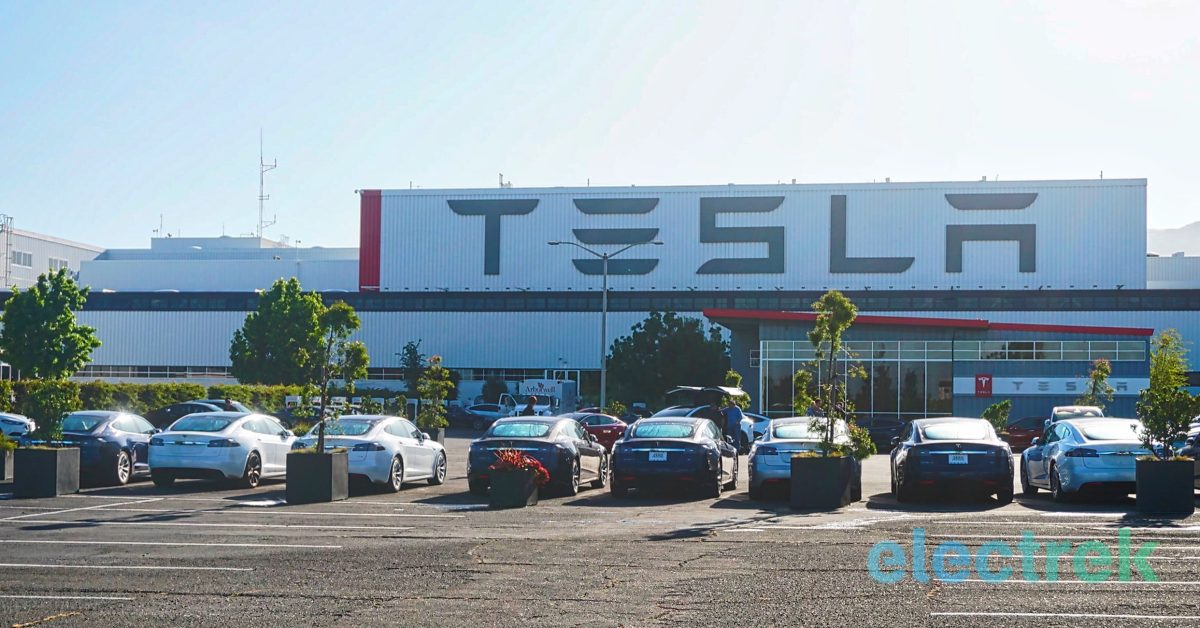
Tesla's Lawyers Misled Witness in Racism Trial
Tesla's ongoing racism trial in California has faced significant setbacks as it was revealed that a…
18h ago
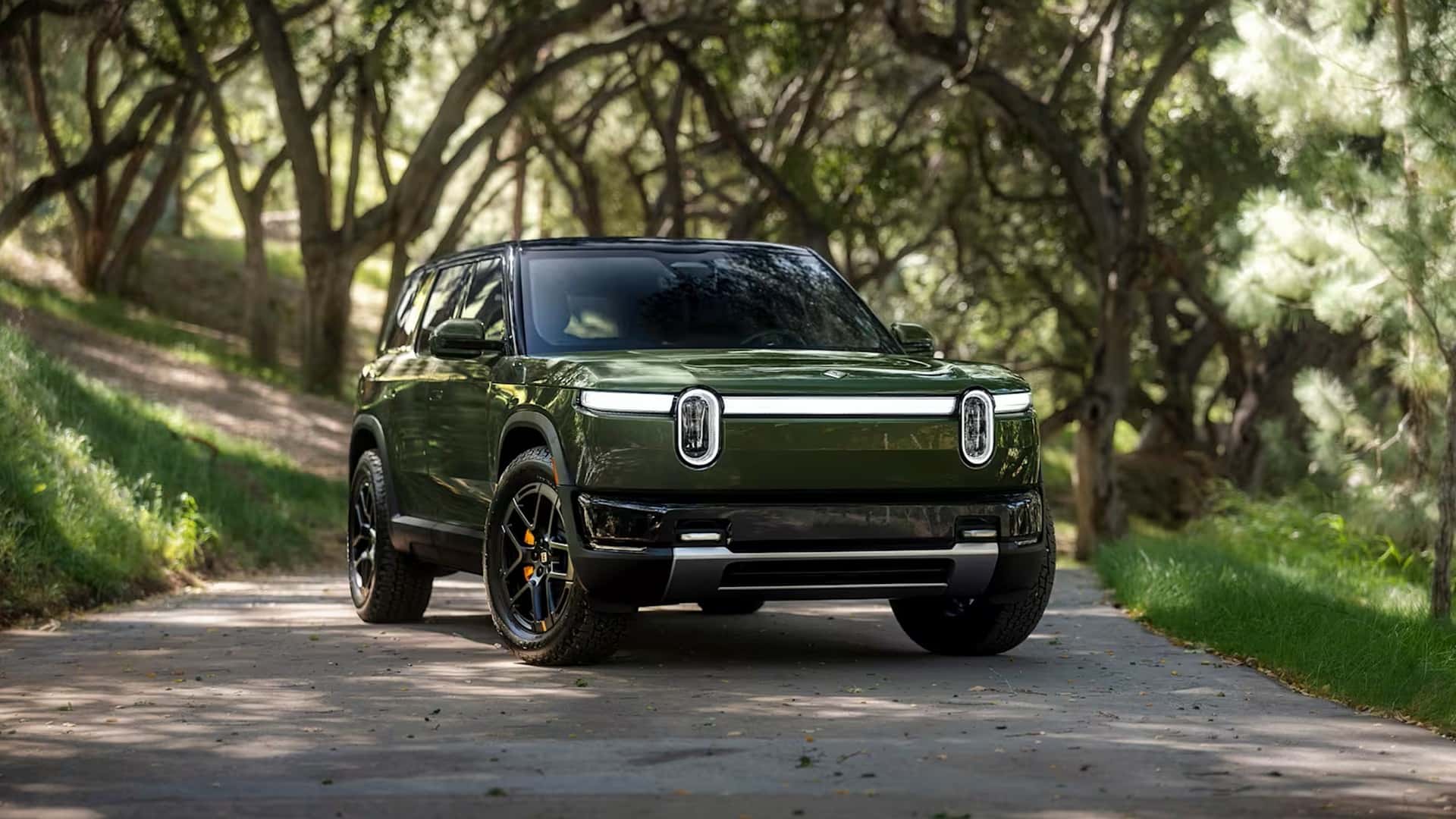
Rivian R2 Faces First Recall Due to Camera Issue
Rivian has issued a recall affecting nearly 99,000 vehicles, including some of its new R2 models,…
18h ago
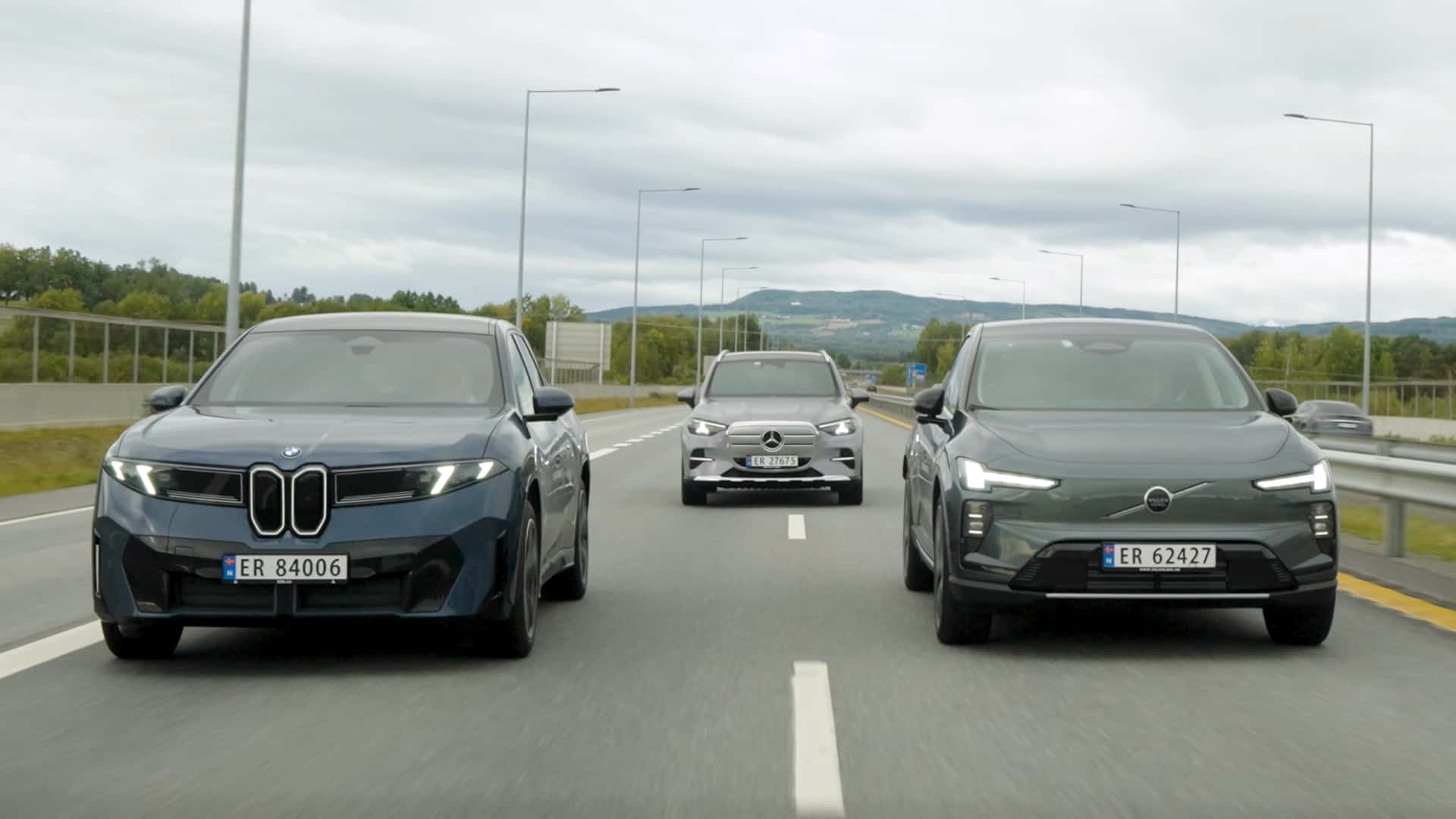
BMW iX3 Outperforms Mercedes GLC and Volvo EX60 in Highway Efficiency Test
In a recent highway test, the BMW iX3 demonstrated superior energy efficiency and range compared to…
1d ago
PHEV Batteries Show Resilience Despite Frequent Cycling
Plug-in hybrid electric vehicles (PHEVs) experience more frequent battery cycling than fully…
1d ago