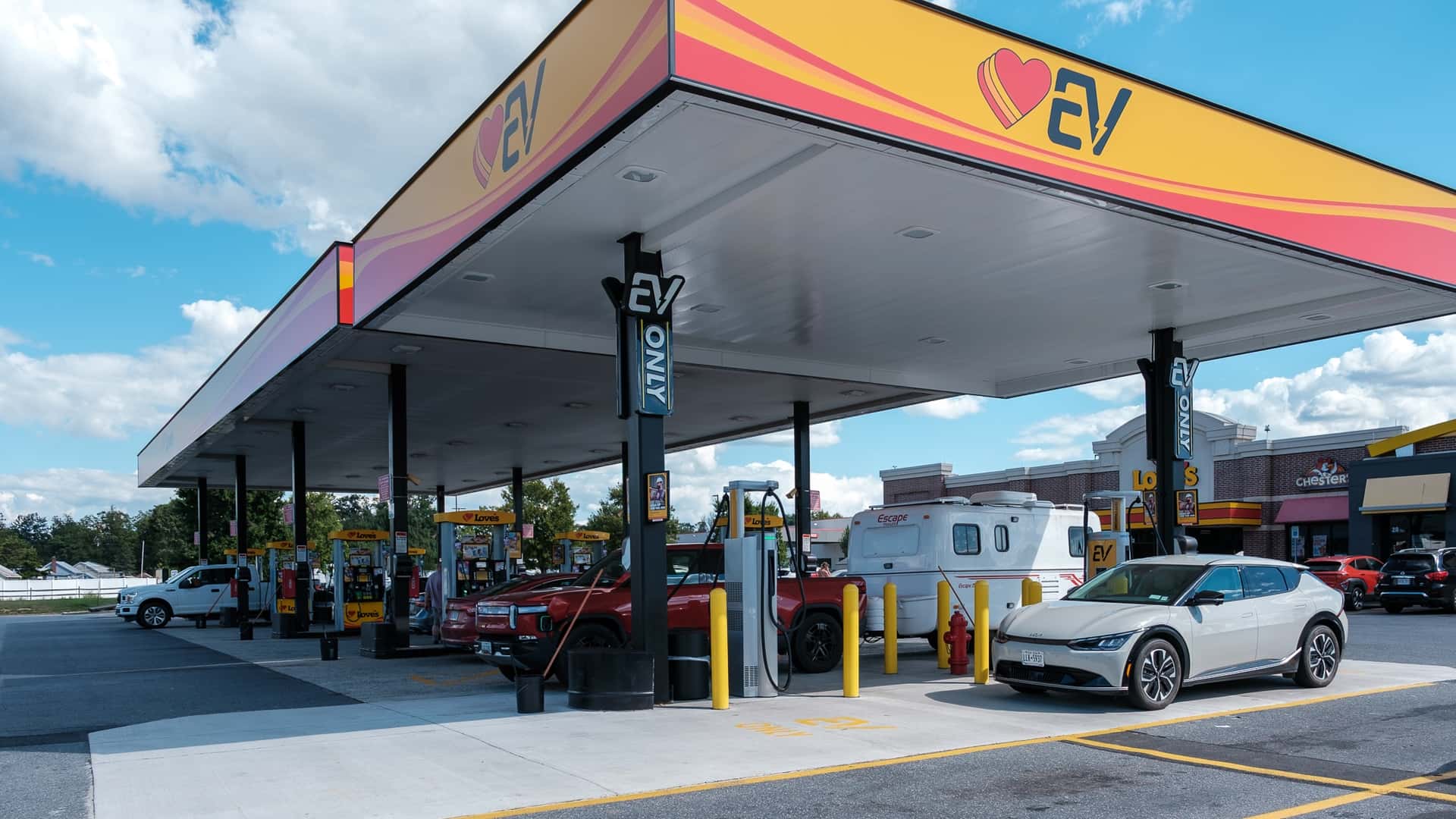
EVs Significantly Reduced Global Fuel Consumption in 2025
Updated May 2, 2026
3 min read
1 linked source
In 2025, electric vehicles (EVs) made a substantial impact on global fuel consumption, leading to a notable decrease in the demand for gas and diesel. This shift primarily affects the automotive industry and fossil fuel markets, indicating a trend towards cleaner energy sources. However, the long-term implications for fuel prices and availability remain uncertain.
Share this story
Why it matters
- ✓Reduced fuel consumption may lead to lower gasoline and diesel prices, benefiting all vehicle owners.
- ✓As EV adoption increases, charging infrastructure may expand, improving access for current and prospective EV owners.
- ✓The shift towards EVs could result in lower ownership costs over time due to reduced fuel expenses.
Reporting notes
EV Signal briefs are written to explain the verified change first, then add the context EV buyers and owners need to understand cost, availability, charging access, eligibility, or ownership impact.
If details are still developing, we try to say what is confirmed, what comes from secondary reporting, and what readers should verify before acting.
Source mix
1 linked source
1 media
Reviewed from: InsideEVs.
EVs Significantly Reduced Global Fuel Consumption in 2025
In 2025, electric vehicles (EVs) played a crucial role in slashing global fuel consumption, particularly in the gas and diesel sectors. This significant change reflects the growing adoption of EVs worldwide, which has implications for both the automotive market and fossil fuel industries.
What Changed
The increase in EV sales has led to a marked decrease in the demand for traditional fossil fuels. As more consumers opt for electric vehicles, the reliance on gasoline and diesel is expected to decline further. This trend signals a pivotal shift in consumer behavior and energy consumption patterns, indicating a move towards more sustainable transportation options.
Why It Matters for Buyers and Owners
The reduction in fuel consumption due to the rise of EVs has several implications for current and prospective vehicle owners:
- Price Impact: A decrease in global fuel consumption may lead to lower prices for gasoline and diesel, which could benefit all vehicle owners, including those who still rely on internal combustion engines.
- Charging Infrastructure: As EV adoption rises, there is likely to be an expansion in charging infrastructure, making it easier for EV owners to charge their vehicles and potentially increasing the convenience of owning an electric vehicle.
- Ownership Costs: With reduced fuel expenses associated with EVs, owners may experience lower overall ownership costs in the long run, making electric vehicles a more attractive option for budget-conscious consumers.
Key Details from Source Material
According to InsideEVs, the surge in EV sales has not only changed consumer preferences but has also posed challenges for the traditional fuel market. The article highlights that as EVs become more prevalent, the future of gas and diesel looks increasingly uncertain. This shift is indicative of a broader trend towards sustainability and reduced carbon emissions, aligning with global efforts to combat climate change.
What to Watch Next
While the data on fuel consumption reduction is promising, it is essential to monitor how this trend develops in the coming years. Key areas to watch include:
- Fuel Price Trends: Observing how fuel prices react to the decreasing demand for gasoline and diesel will be crucial for both consumers and the automotive industry.
- Charging Infrastructure Development: The pace at which charging stations are installed and upgraded will significantly impact the convenience and feasibility of owning an EV.
- Legislative Changes: Potential government incentives or regulations aimed at promoting EV adoption could further influence market dynamics and consumer choices.
In conclusion, the significant reduction in global fuel consumption due to the rise of electric vehicles in 2025 marks a critical turning point for the automotive industry and energy consumption. As this trend continues, it will be vital for buyers and owners to stay informed about the evolving landscape of vehicle ownership and fuel markets.
Sources
These are the documents and reports used to build this brief so readers can verify the story directly.
- EVs Slashed Global Fuel Consumption Massively In 2025 — InsideEVsMEDIA
Comments
Log in with
Loading comments…
More in Ownership
Tesla's Lawyers Misled Witness in Racism Trial
Tesla's ongoing racism trial in California has faced significant setbacks as it was revealed that a…
18h ago

Rivian R2 Faces First Recall Due to Camera Issue
Rivian has issued a recall affecting nearly 99,000 vehicles, including some of its new R2 models,…
18h ago
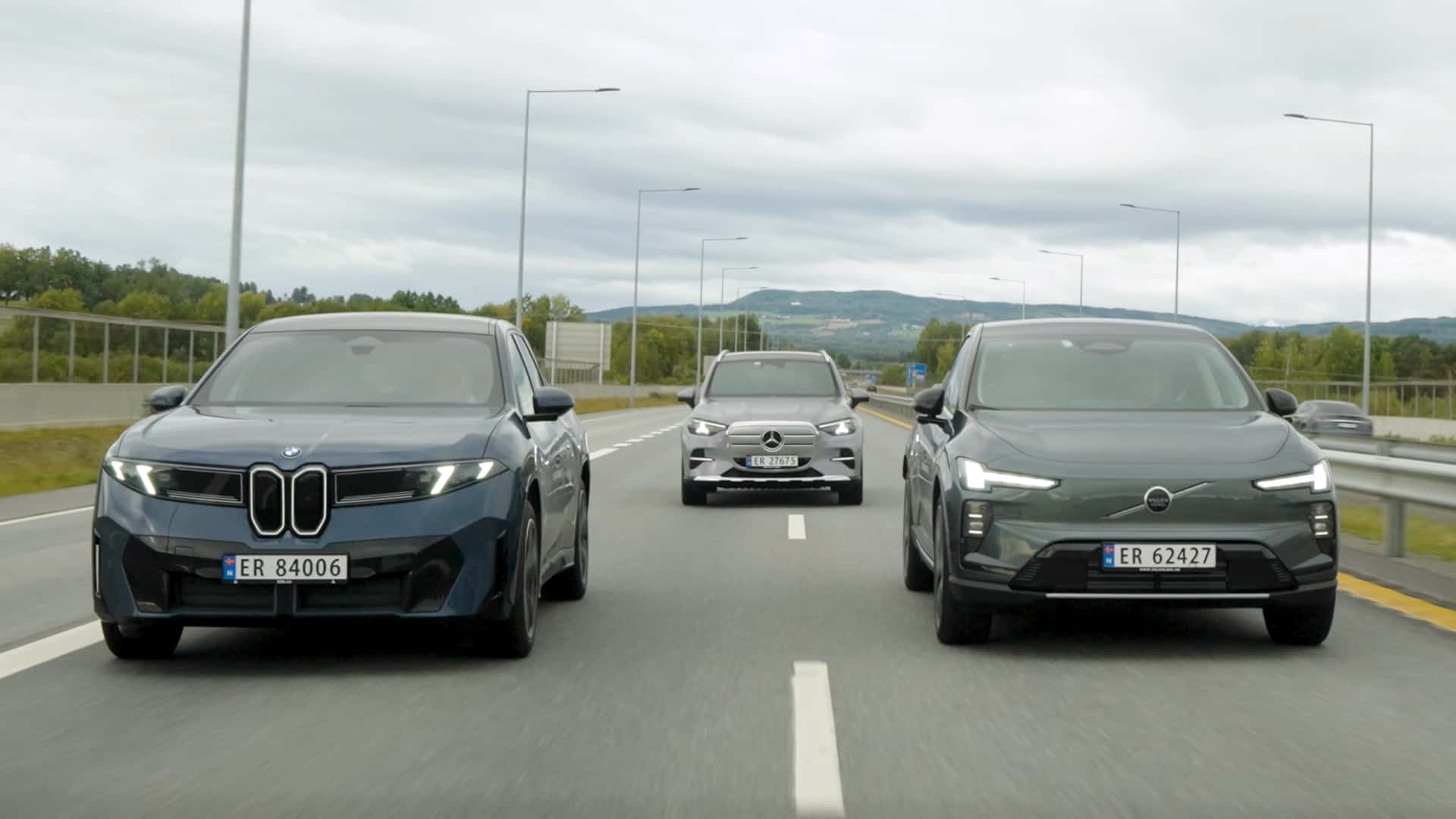
BMW iX3 Outperforms Mercedes GLC and Volvo EX60 in Highway Efficiency Test
In a recent highway test, the BMW iX3 demonstrated superior energy efficiency and range compared to…
1d ago
PHEV Batteries Show Resilience Despite Frequent Cycling
Plug-in hybrid electric vehicles (PHEVs) experience more frequent battery cycling than fully…
1d ago