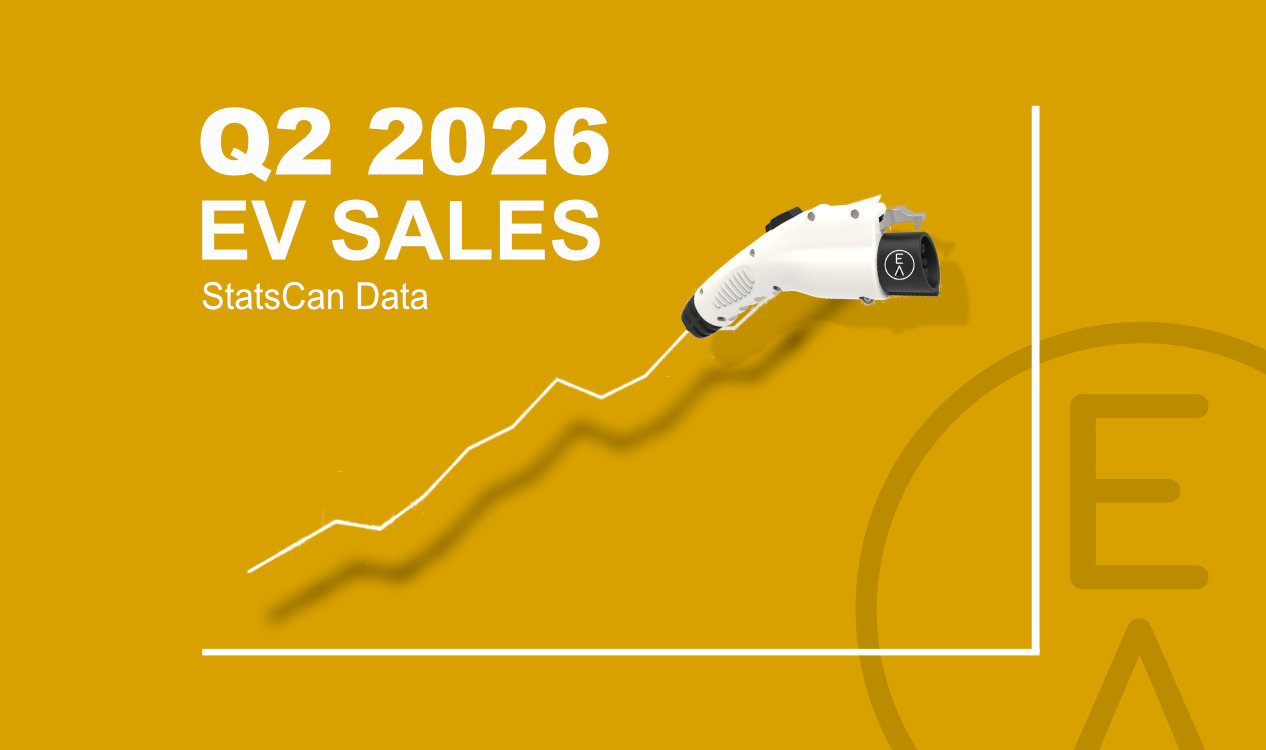
ZEV Sales Increase in Canada, Market Share Remains Steady at 10.7% for Q2

Edited by Volta Kessrin
Models, Pricing & Buying
Updated September 25, 2026
3 min read
1 linked source
In the second quarter of 2023, zero-emission vehicle (ZEV) sales in Canada rose significantly, contributing to an overall increase in auto sales by nearly 40% compared to the previous quarter. However, the market share for ZEVs remained unchanged at 10.7%, indicating a stagnation in their proportion of total vehicle sales across most provinces.
Share this story
Why it matters
- ✓The flat market share suggests that while more ZEVs are being sold, the overall growth in the auto market is outpacing ZEV adoption, which could impact future incentives and charging infrastructure development.
- ✓Buyers may face challenges in finding a wider variety of ZEV options as traditional vehicle sales continue to dominate the market.
- ✓The stability in market share could influence the availability of government incentives aimed at promoting ZEV adoption.
ZEV Sales Increase in Canada, Market Share Remains Steady
In the second quarter of 2023, zero-emission vehicle (ZEV) sales in Canada saw a notable increase, contributing to an overall surge in auto sales by nearly 40% compared to the first quarter. Despite this rise in sales, the market share for ZEVs held steady at 10.7%, indicating that while more consumers are opting for electric vehicles, the growth rate is not sufficient to increase their share of the total vehicle market.
What Changed
According to data from Statistics Canada, ZEV sales have increased, but this growth has not translated into a higher market share. Most provinces reported minimal changes in ZEV market share, with less than a percentage point of variation. This stagnation suggests that traditional vehicles continue to dominate the market, even as ZEV sales rise.
Why It Matters for Buyers and Owners
- Market Dynamics: The flat market share indicates that while ZEV sales are increasing, they are not keeping pace with the overall growth in the auto market. This could lead to fewer incentives for manufacturers to produce more ZEV models, potentially limiting options for buyers.
- Availability of Options: As traditional vehicle sales continue to rise, buyers may find it challenging to access a diverse range of ZEV options. This could affect the choices available for consumers looking to purchase electric vehicles.
- Impact on Incentives: The steady market share may influence government policies and incentives aimed at promoting ZEV adoption. If the proportion of ZEVs does not grow, there could be less urgency for governments to enhance charging infrastructure or provide financial incentives for buyers.
Key Details from Source Material
The increase in ZEV sales comes amidst a broader rise in overall auto sales, which saw an almost 40% increase over the first quarter of 2023. Despite this positive trend for ZEVs, the unchanged market share of 10.7% raises questions about the pace of adoption relative to traditional vehicles. The report highlights that most provinces experienced less than a percentage point change in their ZEV market share, suggesting a consistent trend across the country.
What to Watch Next
As the market continues to evolve, it will be important to monitor how ZEV sales and market share develop in the coming quarters. Key areas to watch include:
- Government Policies: Any changes in government incentives or regulations that could impact ZEV adoption.
- Consumer Preferences: Trends in consumer preferences for ZEVs versus traditional vehicles, which could influence future sales dynamics.
- Infrastructure Development: The expansion of charging infrastructure, which is crucial for supporting the growth of ZEVs in the market.
In summary, while ZEV sales are on the rise in Canada, the flat market share indicates a need for continued focus on promoting electric vehicle adoption and addressing the challenges that may hinder growth in this sector.
Sources
These are the documents and reports used to build this brief so readers can verify the story directly.
- ZEV sales up in Canada, but market share stays flat at 10.7 per cent for Q2: StatsCan — Electric Autonomy CanadaMEDIA
Reporting notes
EV Signal briefs are written to explain the verified change first, then add the context EV buyers and owners need to understand cost, availability, charging access, eligibility, or ownership impact.
If details are still developing, we try to say what is confirmed, what comes from secondary reporting, and what readers should verify before acting.
Source mix
1 linked source
1 media
Reviewed from: Electric Autonomy Canada.
Comments
Log in with
Loading comments…
More in Buying
Uruguay EV Sales Reach 56% Market Share in August
In August 2026, Uruguay's electric vehicle (EV) sales surged, achieving a remarkable market share…
1h ago

Hybrid Vehicle Sales Surge in the U.S. Beyond Toyota
Hybrid vehicle sales in the United States are experiencing unprecedented growth, with brands other…
19h ago

Anker Security Cameras and EcoFlow Power Stations on Sale Ahead of Prime Day
Anker's eufy security cameras are now available at discounts of up to 46% as part of the early…
1d ago

Ausom Launches Fall Sale on Electric Scooters
Ausom is holding a Fall Sale this month, offering discounts on its range of electric scooters,…
1d ago