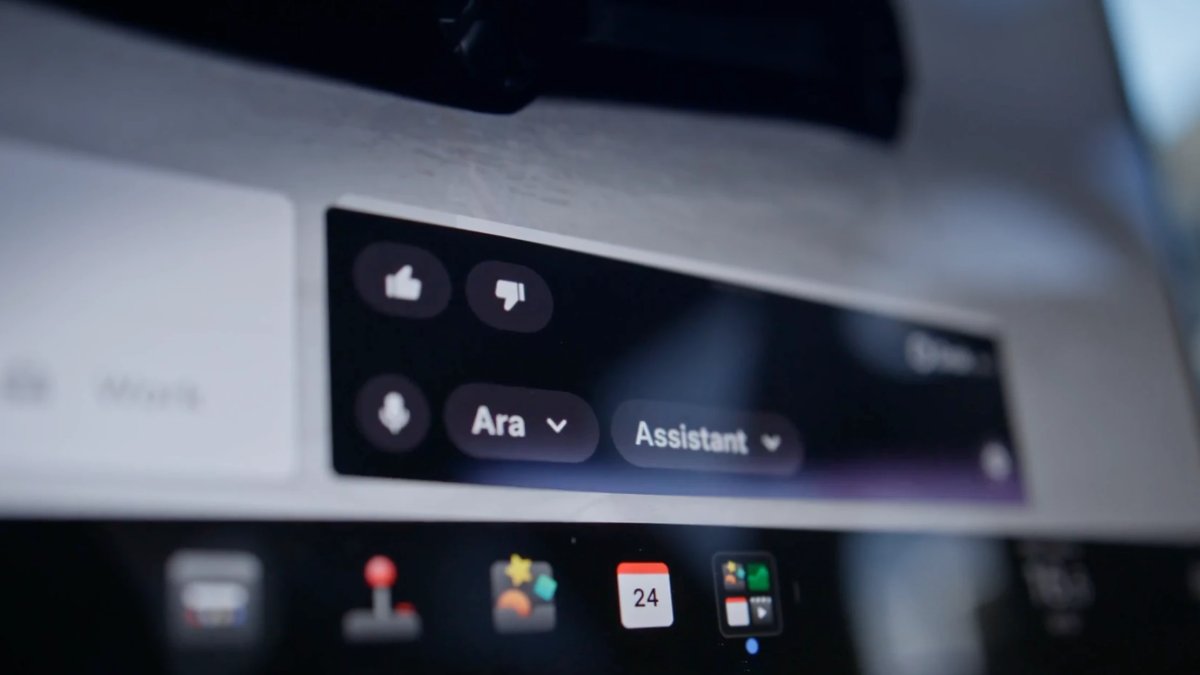
XPeng's VLA 2.0 Competes with Tesla's FSD in Real-World Testing
XPeng's VLA 2.0 has undergone its first real-world test with Western journalists, showcasing its capabilities compared to Tesla's Full Self-Driving (FSD) system. While VLA 2.0 demonstrates strengths in certain areas, Tesla's FSD still outperforms in others. The results highlight the differing approaches to autonomous driving technology.

Key takeaways
30-second read- 1EV buyers may have more options for advanced driving assistance systems, potentially at varying price points.
- 2Understanding the strengths and weaknesses of each system can help owners make informed decisions about which vehicle to purchase.
- 3The competition between these technologies may accelerate advancements in autonomous driving features.
Confirmed
No official source linked yet
Reported
Secondary reporting: InsideEVs
Verify yourself
Eligibility, local prices and dates for your car, state or utility
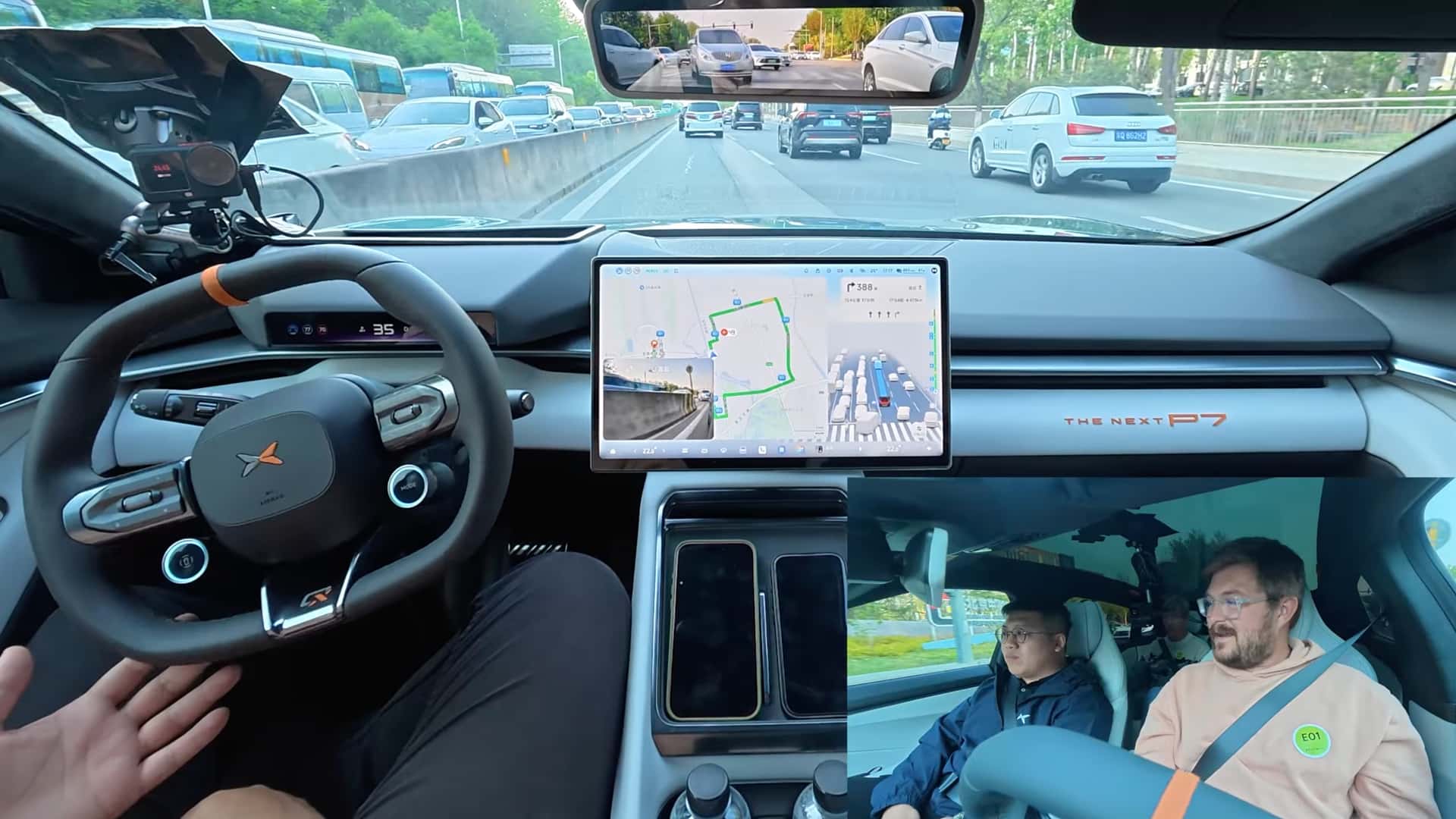
XPeng's VLA 2.0 Competes with Tesla's FSD
XPeng's VLA 2.0 has recently been tested in real-world conditions, providing a direct comparison to Tesla's Full Self-Driving (FSD) system. This test, which involved Western journalists, reveals both the strengths and weaknesses of XPeng's offering in relation to Tesla's established technology.
What Changed
The first real-world test of XPeng's VLA 2.0 has highlighted its capabilities in various driving scenarios. While it shows promise in certain areas, Tesla's FSD continues to lead in others. This competition marks a significant step in the evolution of autonomous driving technology, as more players enter the market and challenge Tesla's dominance.
Why It Matters for Buyers/Owners
-
Increased Options: With XPeng's VLA 2.0 entering the fray, buyers might find more choices when considering vehicles equipped with advanced driving assistance systems. This could lead to competitive pricing and features.
-
Informed Decisions: Understanding the differences between VLA 2.0 and Tesla's FSD can help potential buyers choose a vehicle that best fits their needs, especially regarding safety and convenience.
-
Technological Advancements: The competition between XPeng and Tesla may spur further innovations in autonomous driving technology, benefiting all EV owners in the long run.
Key Details from Source Material
According to the report from InsideEVs, the VLA 2.0 system has shown strengths in specific driving situations, but it still lacks the overall robustness of Tesla's FSD. The test results indicate that while XPeng is making strides, it has not yet matched the performance of Tesla's system in all aspects. This highlights the ongoing development in the field of autonomous driving, where each company is refining its technology to gain an edge.
What to Watch Next
As both companies continue to develop their autonomous driving technologies, it will be important to monitor updates on software improvements, new features, and any changes in pricing. Future tests and comparisons will provide further insights into how these systems evolve and how they may impact the market for EV buyers and owners. Keep an eye on announcements from both XPeng and Tesla for the latest developments in this competitive landscape.
Sources
1 media- [1]Tesla FSD Has A Real Rival. But It Drives Very DifferentlyMedia
InsideEVs · insideevs.com · published Apr 30
Newsletter
Weekly EV signal. No spam.
Comments
Log in with
Loading comments…