
XPeng Launches China's First Mass-Produced Robotaxi
Updated May 18, 2026
3 min read
1 linked source
XPeng has successfully rolled out the first mass-produced robotaxi in China, marking a significant milestone in autonomous vehicle development. This vehicle, engineered to Level 4 autonomous driving standards, is powered by XPeng's proprietary AI chips and does not utilize LiDAR technology. The announcement highlights XPeng's commitment to in-house development and innovation in the EV sector.
Share this story
Why it matters
- ✓XPeng's robotaxi could lead to lower operational costs for ride-hailing services, potentially impacting pricing for consumers.
- ✓The absence of LiDAR may reduce production costs, which could influence the pricing of future EV models.
- ✓This development may enhance the availability of autonomous ride-hailing options in urban areas, improving convenience for users.
Reporting notes
EV Signal briefs are written to explain the verified change first, then add the context EV buyers and owners need to understand cost, availability, charging access, eligibility, or ownership impact.
If details are still developing, we try to say what is confirmed, what comes from secondary reporting, and what readers should verify before acting.
Source mix
1 linked source
1 media
Reviewed from: Electrek.
XPeng Launches China's First Mass-Produced Robotaxi
XPeng has officially rolled out the first mass-produced unit of its robotaxi from its production line in Guangzhou, making it the first automaker in China to achieve this milestone. This vehicle is designed to operate under Level 4 (L4) autonomous driving standards and is powered by four of XPeng's self-developed Turing AI chips, delivering an impressive 3,000 TOPS of computing power. Notably, the robotaxi does not utilize any LiDAR technology, which is often a standard component in many autonomous vehicles.
What Changed
XPeng's announcement signifies a major advancement in the realm of autonomous vehicles, particularly in China, where the competition in the EV market is intensifying. The introduction of a mass-produced robotaxi showcases XPeng's capabilities in full-stack, in-house development, which could set a precedent for other manufacturers in the region.
Why It Matters for Buyers and Owners
The launch of XPeng's robotaxi could have several implications for EV buyers and owners:
- Operational Cost Reduction: The mass production of robotaxis may lead to lower operational costs for ride-hailing services, which could translate to lower fares for consumers.
- Potential Price Impact: The decision to forgo LiDAR in the robotaxi's design may reduce production costs, potentially influencing the pricing of future XPeng models and making them more accessible to a broader audience.
- Increased Availability: As XPeng rolls out its robotaxi, urban areas may see an increase in autonomous ride-hailing options, enhancing convenience for users who rely on such services.
Key Details from Source Material
According to Electrek, XPeng's robotaxi is engineered to meet stringent L4 autonomous driving standards, which means it can operate without human intervention in specific conditions. The vehicle's reliance on XPeng's proprietary AI chips instead of LiDAR is a notable shift in technology, potentially paving the way for other manufacturers to explore similar approaches in their autonomous vehicle designs.
What to Watch Next
As XPeng continues to develop its robotaxi program, it will be important to monitor how this vehicle performs in real-world conditions and how it is received by consumers and regulatory bodies. Additionally, the impact of this development on the broader EV market in China and beyond will be worth observing, particularly as other manufacturers may respond with their own autonomous vehicle innovations. Further updates on XPeng's production capabilities and plans for deployment in urban areas will also be critical for understanding the future landscape of autonomous ride-hailing services.
Sources
These are the documents and reports used to build this brief so readers can verify the story directly.
Comments
Log in with
Loading comments…
More in Models & Pricing
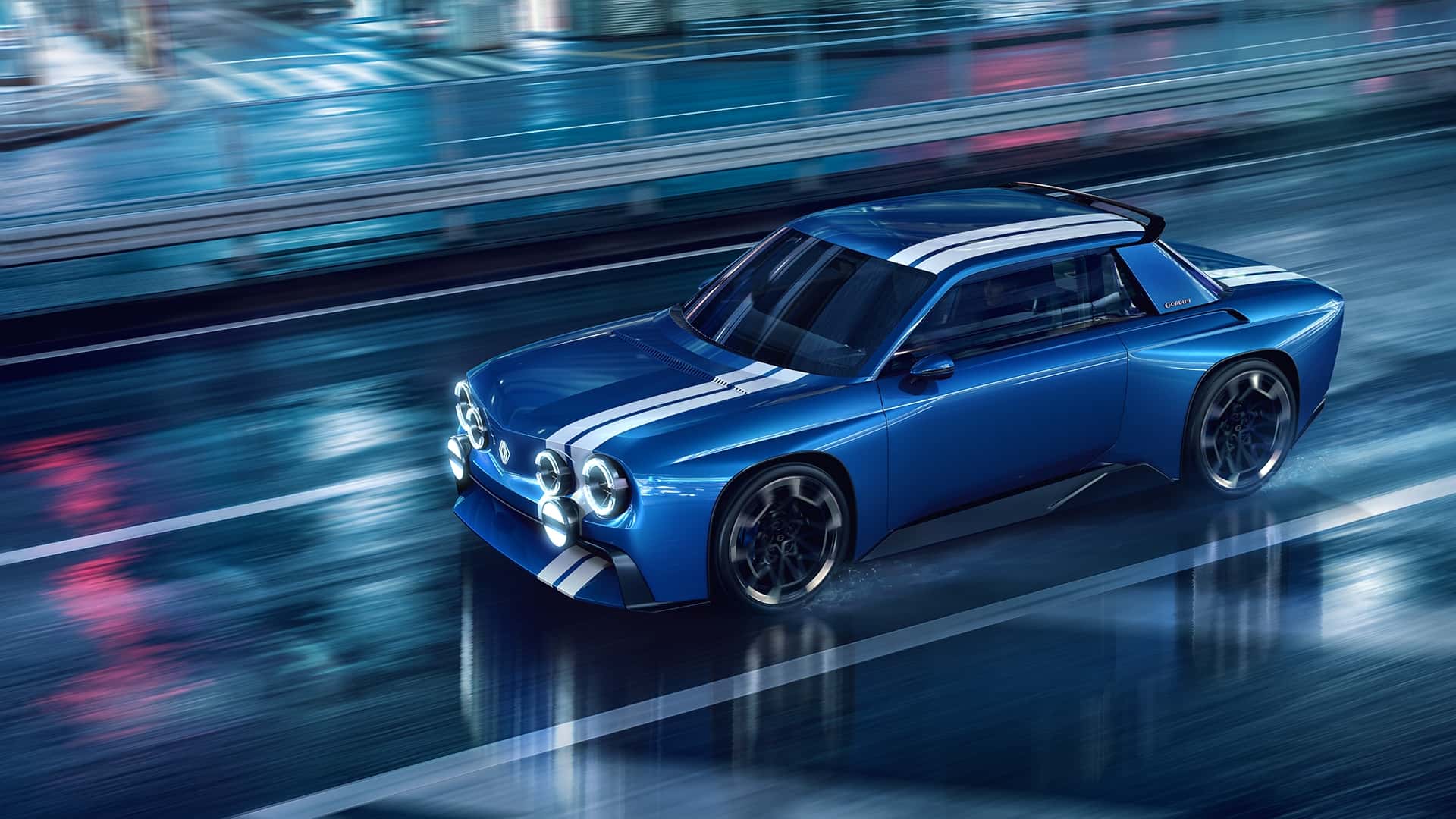
Renault 8 Gordini Returns as Rear-Wheel Drive EV
Renault has unveiled the return of the iconic Renault 8 Gordini as a rear-wheel drive electric…
Just now
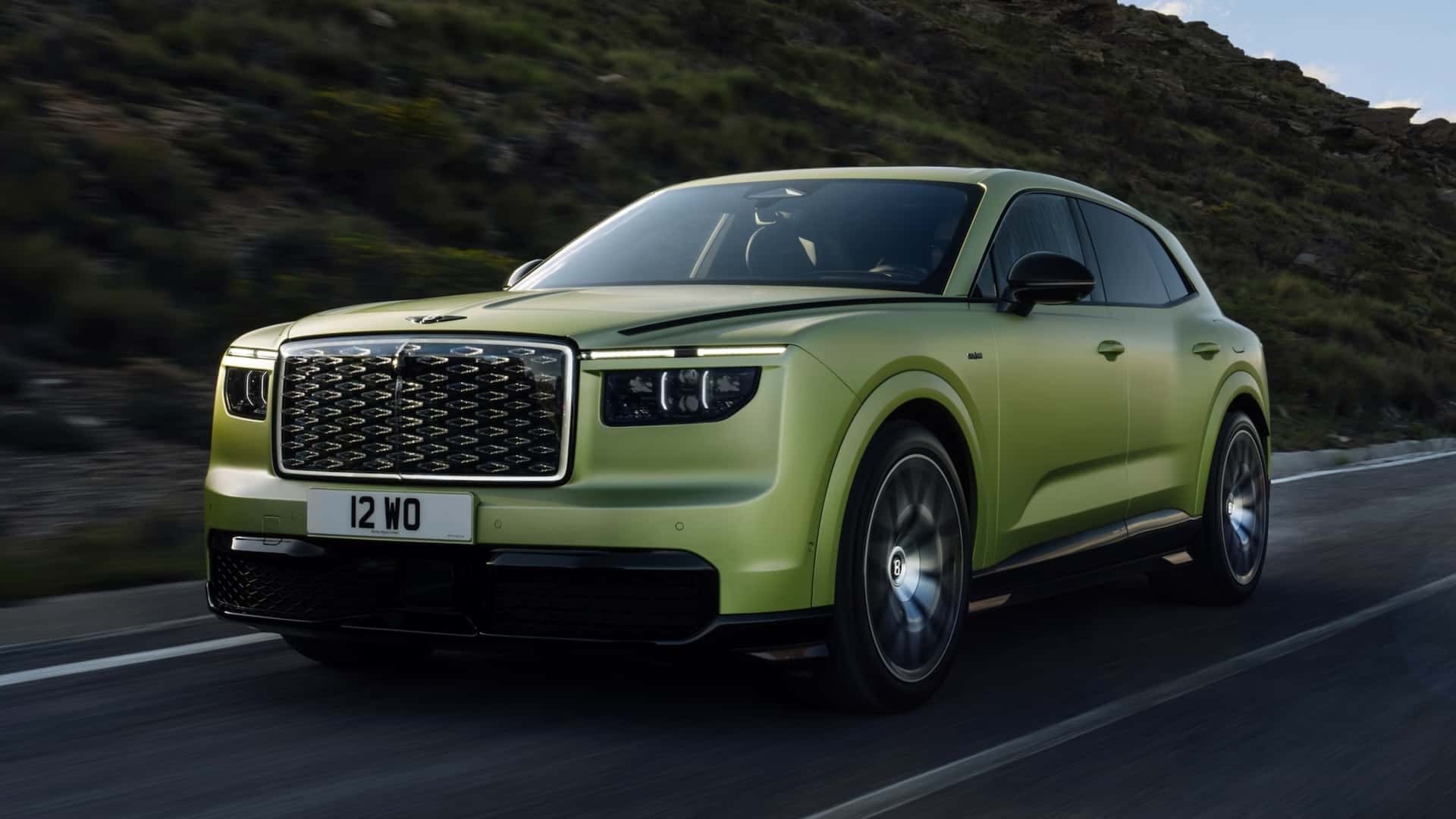
Bentley's First EV, the Torcal, Offers Rapid Charging Capabilities
Bentley has launched its first electric vehicle, the Torcal, a midsize SUV that boasts rapid…
12h ago
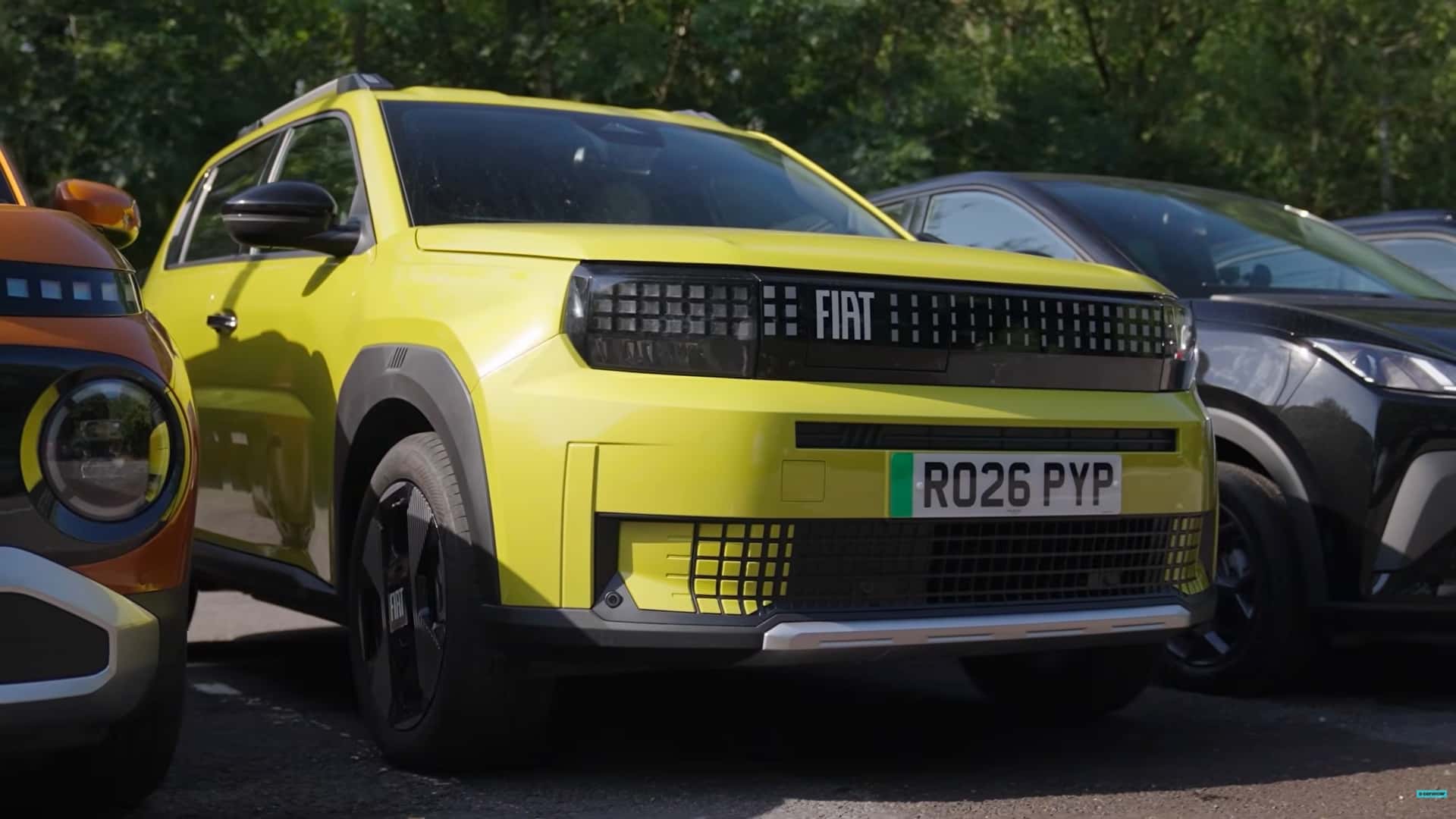
Fiat Grande Panda Outperforms Claimed Range in Real-World Test
In a recent highway range test, the Fiat Grande Panda exceeded its officially claimed range,…
12h ago
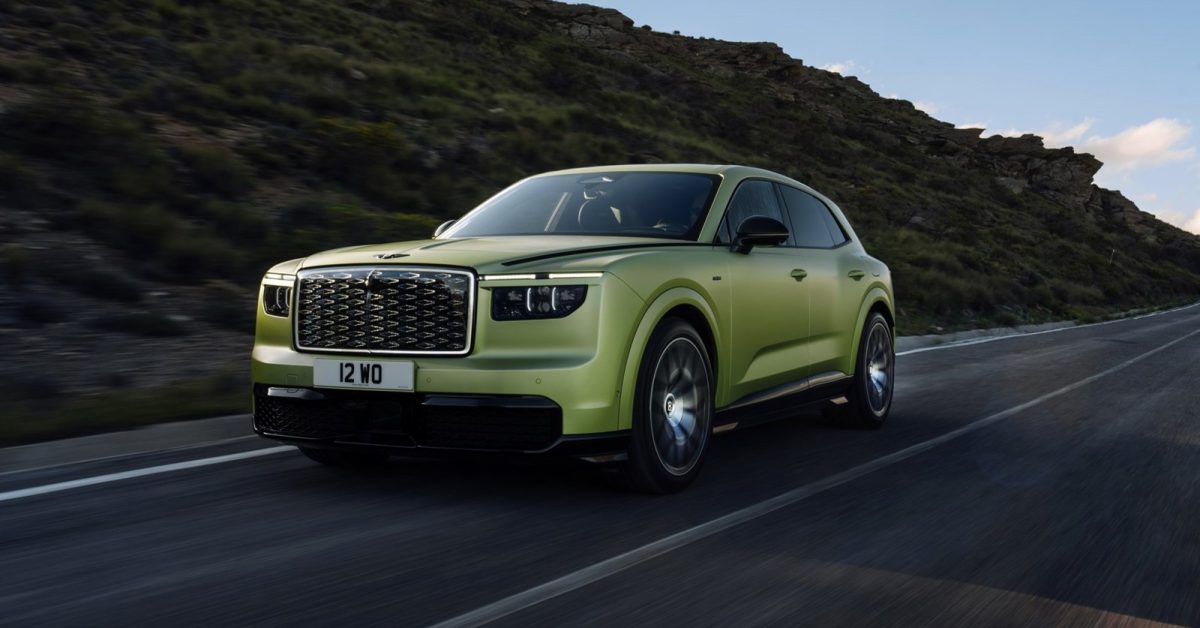
Bentley Launches Torcal, Its First All-Electric SUV
Bentley has officially unveiled the Torcal, marking its entry into the electric vehicle market.…
12h ago