World’s Largest Electric Ferry Enters Service In Buenos Aires
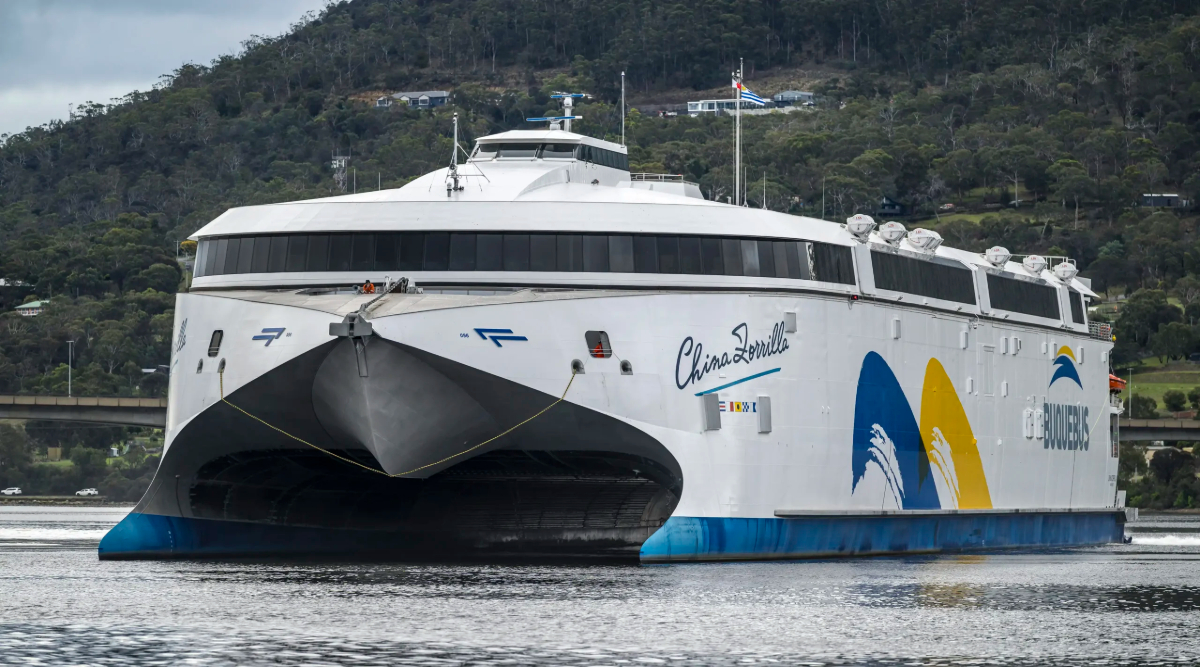
The world’s largest electric ferry has officially begun operations in Buenos Aires, Argentina, providing a new transportation option across the Rio de la Plata estuary to Colonia, Uruguay. This development is significant for commuters and tourists, offering a faster and more environmentally friendly alternative to traditional ferry services. The ferry is operated by Buquebus, a well-known ferry operator in the region.

Key takeaways
30-second read- 1The introduction of this electric ferry could lead to reduced emissions, appealing to environmentally conscious travelers.
- 2As electric ferry services expand, it may influence the adoption of electric vehicles in the region by showcasing the viability of electric transport solutions.
- 3Increased ferry capacity and efficiency could lower travel times and costs for passengers, enhancing the overall travel experience.
Confirmed
No official source linked yet
Reported
Secondary reporting: CleanTechnica
Verify yourself
Eligibility, local prices and dates for your car, state or utility
Introduction
The world’s largest electric ferry has officially entered service in Buenos Aires, Argentina, marking a significant milestone in sustainable transportation. Operated by Buquebus, this ferry provides a crucial link between Buenos Aires and Colonia, Uruguay, across the Rio de la Plata estuary.
What Changed
The launch of this electric ferry represents a shift towards greener transportation options in the region. It is designed to offer a more efficient and eco-friendly alternative to traditional diesel-powered ferries, which have been the norm for years. With the introduction of this electric vessel, passengers can expect a faster and more convenient travel experience.
Why It Matters for Buyers/Owners
- Environmental Impact: The electric ferry is expected to significantly reduce emissions compared to conventional ferries, appealing to environmentally conscious travelers and potentially influencing public perception of electric transportation.
- Travel Efficiency: With enhanced capacity and efficiency, the ferry service may lead to shorter travel times and potentially lower costs for passengers, improving the overall travel experience.
- Inspiration for EV Adoption: The success of electric ferries could encourage further investment in electric transportation solutions, possibly leading to increased adoption of electric vehicles (EVs) in the region.
Key Details
According to CleanTechnica, Buquebus has been a prominent ferry operator in Buenos Aires, offering round trip excursions to Colonia. The new electric ferry is expected to streamline operations and provide a more sustainable travel option for both locals and tourists. While specific details about the ferry's capacity and operational schedules have not been fully disclosed, the service is anticipated to enhance connectivity between the two cities.
What to Watch Next
As the electric ferry begins its operations, it will be important to monitor passenger feedback and operational performance. Observers should look for updates on the ferry's impact on travel times, passenger capacity, and overall satisfaction. Additionally, any developments regarding further investments in electric transportation infrastructure in the region could provide insights into the future of sustainable travel in South America.
In conclusion, the launch of the world’s largest electric ferry in Buenos Aires is a promising step towards more sustainable transport solutions, with potential benefits for both the environment and travelers. As this service evolves, it may pave the way for broader adoption of electric vehicles and other green technologies in the region.
Sources
1 media- [1]World’s Largest Electric Ferry Enters Service In Buenos AiresMedia
CleanTechnica · cleantechnica.com · published Oct 27
Newsletter
Weekly EV signal. No spam.
Comments
Log in with
Loading comments…