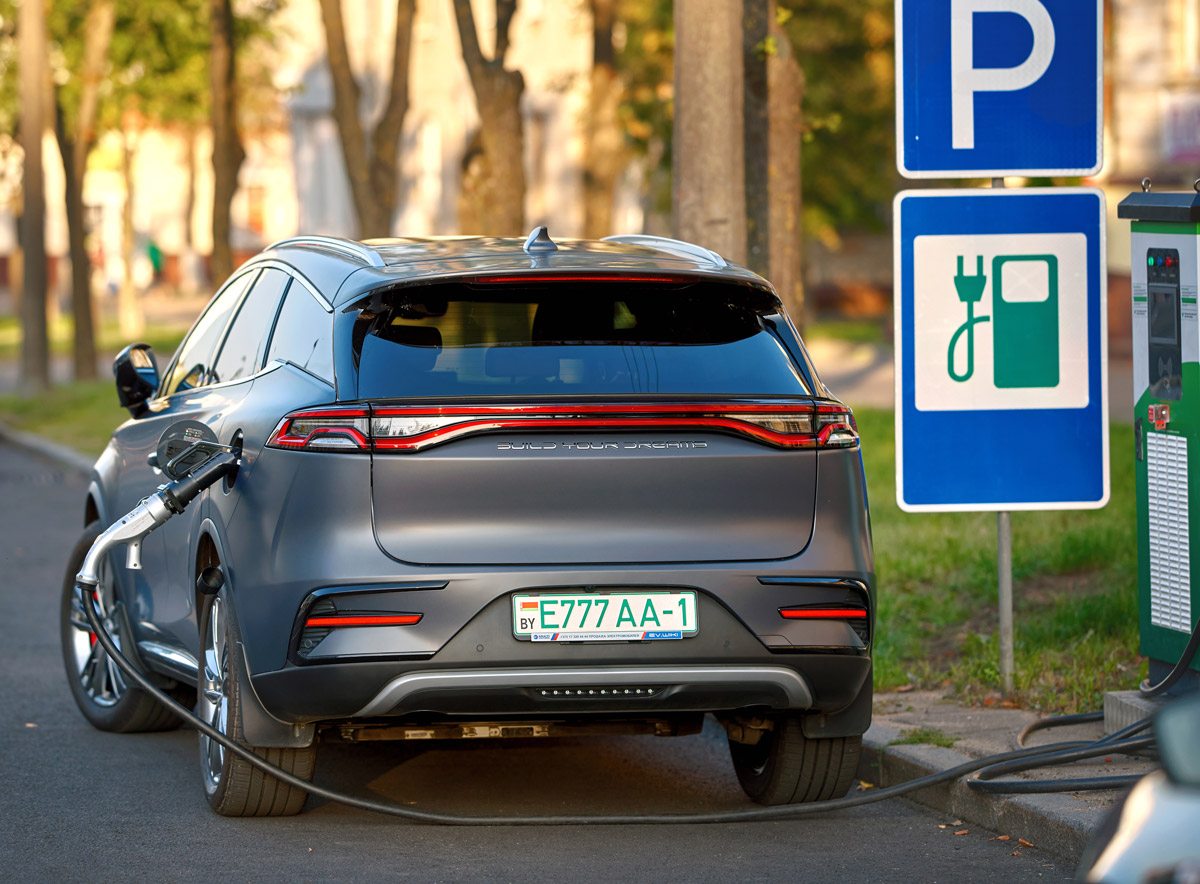
Why Wait Taxi Transitions to All-Electric Fleet
Why Wait Taxi, a taxi service in Simcoe, Ontario, has transitioned to an all-electric fleet, resulting in significant annual savings. The company reports saving hundreds of thousands of dollars compared to its previous gas-powered fleet, demonstrating a successful shift towards sustainable transportation.

Key takeaways
30-second read- 1Taxi operators can significantly reduce operational costs by switching to electric vehicles.
- 2The transition to electric fleets can encourage more taxi services to consider sustainability.
- 3This shift may influence consumer perceptions of electric vehicles in the transportation sector.
Confirmed
No official source linked yet
Reported
Secondary reporting: Electric Autonomy Canada
Verify yourself
Eligibility, local prices and dates for your car, state or utility

Why Wait Taxi, a taxi company based in Simcoe, Ontario, has successfully transitioned to an all-electric fleet of passenger vehicles. This significant change has resulted in substantial cost savings for the business, reportedly amounting to hundreds of thousands of dollars annually compared to its previous gas-powered fleet.
What Changed
In 2021, Norm Proctor, the owner of Why Wait Taxi, made the decision to purchase the company's first electric vehicle as an experiment. Fast forward to today, and the company has fully embraced electric vehicles, operating an entirely electric fleet. This transition marks a pivotal shift in the company's operations and highlights the growing trend of electrification in the transportation sector.
Why It Matters for Buyers/Owners
The move by Why Wait Taxi underscores the potential for electric vehicles to reduce operational costs significantly. For taxi operators and other fleet managers, this transition could serve as a compelling case study, demonstrating that electric vehicles can be economically viable alternatives to traditional gas-powered vehicles. As more taxi services adopt electric fleets, it may also help to shift public perception about the reliability and efficiency of electric vehicles in everyday use.
Key Details from Source Material
According to Electric Autonomy Canada, the financial benefits of switching to an all-electric fleet have been substantial for Why Wait Taxi. Proctor noted that the savings from operating electric vehicles have reached hundreds of thousands of dollars per year. This financial incentive, combined with the environmental benefits of reducing carbon emissions, positions electric vehicles as a favorable option for taxi services looking to modernize their fleets.
What to Watch Next
As the trend towards electrification in the taxi industry continues, it will be important to monitor how other taxi services respond to Why Wait Taxi's success. Additionally, the development of charging infrastructure and advancements in electric vehicle technology will play a crucial role in facilitating further adoption of electric fleets. Stakeholders in the transportation sector should keep an eye on these developments to understand the evolving landscape of electric mobility.
Sources
1 media- [1]Why Wait TaxiMedia
Electric Autonomy Canada · electricautonomy.ca · published Nov 5
Newsletter
Weekly EV signal. No spam.
Comments
Log in with
Loading comments…