'We Will Not Survive': Toyota Boss Calls for Japanese Automakers to Unite Against Chinese EVs
Updated July 15, 2026
3 min read
1 linked source
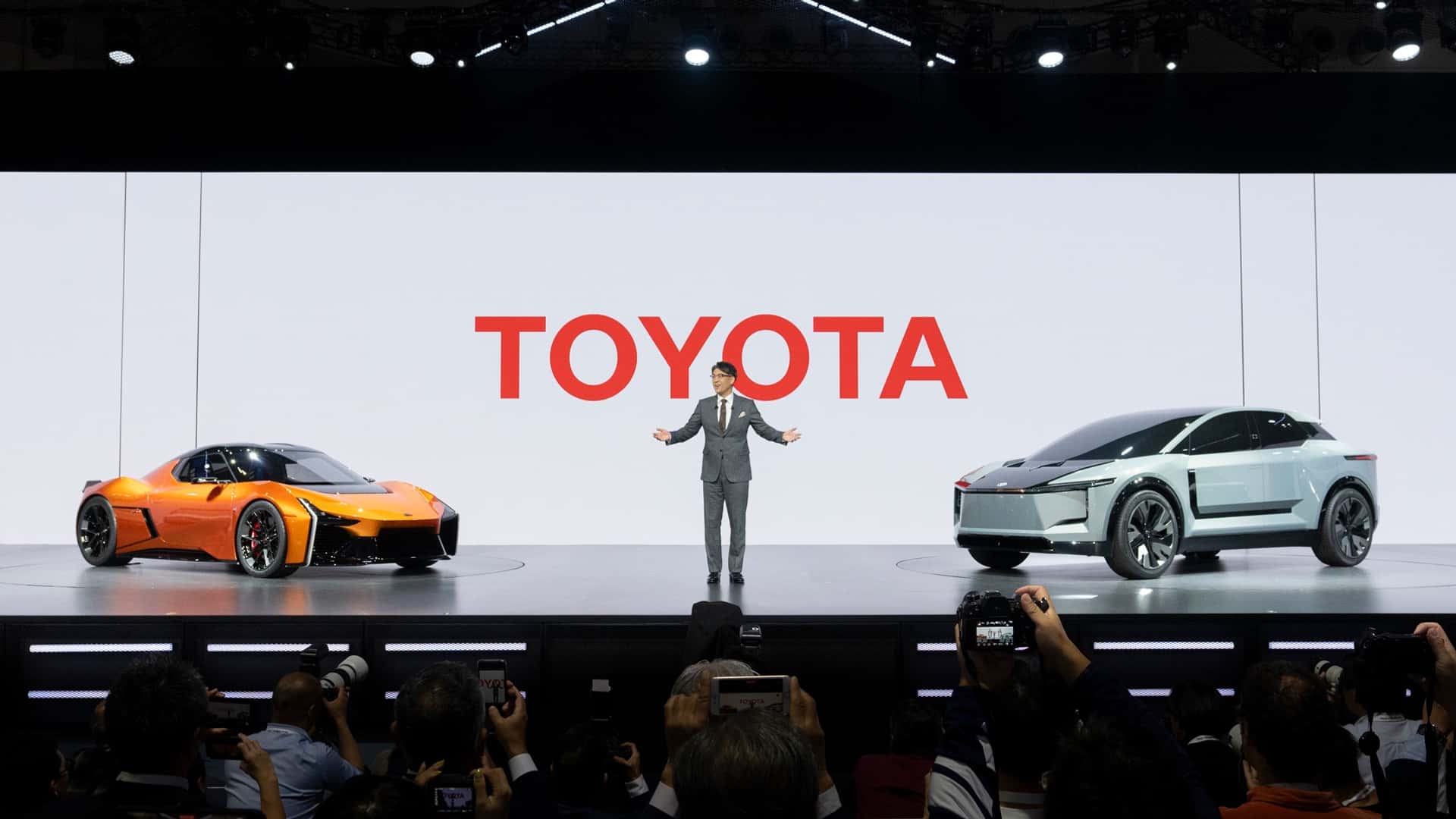
Toyota's CEO, Koji Sato, has urged Japanese automakers to collaborate in order to compete with the rapidly advancing Chinese electric vehicle (EV) market. This call to action highlights the growing concern among Japanese manufacturers about their ability to remain competitive. The effectiveness of this proposed collaboration remains uncertain.
Share this story
Why it matters
- ✓Increased competition could lead to better EV options for buyers, potentially improving features and lowering prices.
- ✓A unified approach may enhance the availability of charging infrastructure as Japanese automakers pool resources.
- ✓If successful, this collaboration could help maintain the reputation of Japanese brands in the global EV market.
Reporting notes
EV Signal briefs are written to explain the verified change first, then add the context EV buyers and owners need to understand cost, availability, charging access, eligibility, or ownership impact.
If details are still developing, we try to say what is confirmed, what comes from secondary reporting, and what readers should verify before acting.
Source mix
1 linked source
1 media
Reviewed from: InsideEVs.
Toyota's Call for Collaboration
Toyota's CEO, Koji Sato, has made a bold statement regarding the future of Japanese automakers in the face of increasing competition from Chinese electric vehicle (EV) manufacturers. Sato emphasized that without a united front, Japanese companies may struggle to survive in the evolving automotive landscape dominated by Chinese innovation and market share.
What Changed
During a recent address, Sato articulated the urgent need for Japanese automakers to collaborate rather than compete against one another. This call for unity comes as Chinese EV manufacturers continue to gain traction globally, posing a significant threat to traditional automotive giants, including Toyota, Honda, and Nissan. Sato's comments reflect a growing concern within the industry about the potential for Japanese brands to fall behind in the rapidly changing EV market.
Why It Matters for Buyers and Owners
-
Increased Competition: If Japanese automakers successfully collaborate, it could lead to a more competitive market, resulting in better EV options for consumers. This might include improved features, performance, and potentially lower prices as companies strive to attract buyers.
-
Enhanced Charging Infrastructure: A unified approach among Japanese manufacturers could lead to a more robust charging network, making it easier for EV owners to find charging stations and reducing range anxiety.
-
Maintaining Brand Reputation: The collaboration could help preserve the reputation of Japanese brands, ensuring they remain relevant in the global EV market, which is crucial for consumer trust and loyalty.
Key Details from Source Material
According to InsideEVs, Sato's remarks underscore a radical shift in strategy for Japanese automakers, who have historically been seen as leaders in automotive innovation. The urgency of Sato's message highlights the pressing need for these companies to adapt to the changing landscape, where Chinese manufacturers are not only producing EVs at a rapid pace but are also offering them at competitive prices.
Sato's call for collaboration raises questions about how Japanese automakers will navigate their competitive strategies moving forward. Will they be able to set aside rivalries and work together to create a more formidable presence in the EV market? The answer to this question will be crucial for the future of Japanese automotive brands.
What to Watch Next
As this situation develops, it will be important to monitor how Japanese automakers respond to Sato's call for collaboration. Key points to watch include:
- Formal Agreements: Will any formal partnerships or alliances be announced among Japanese automakers?
- Investment in Technology: How will these companies pool resources to advance EV technology and infrastructure?
- Market Response: How will the market react to this collaboration, and will it lead to tangible benefits for consumers?
In conclusion, while Sato's call for unity among Japanese automakers is a significant step towards addressing the challenges posed by Chinese EV manufacturers, the effectiveness of such collaboration remains to be seen. The coming months will be critical in determining whether this strategy can help Japanese brands regain their competitive edge in the global EV market.
Sources
These are the documents and reports used to build this brief so readers can verify the story directly.
Comments
Log in with
Loading comments…
More in Models & Pricing

Renault 8 Gordini Returns as Rear-Wheel Drive EV
Renault has unveiled the return of the iconic Renault 8 Gordini as a rear-wheel drive electric…
Just now
Bentley's First EV, the Torcal, Offers Rapid Charging Capabilities
Bentley has launched its first electric vehicle, the Torcal, a midsize SUV that boasts rapid…
12h ago
Fiat Grande Panda Outperforms Claimed Range in Real-World Test
In a recent highway range test, the Fiat Grande Panda exceeded its officially claimed range,…
12h ago
Bentley Launches Torcal, Its First All-Electric SUV
Bentley has officially unveiled the Torcal, marking its entry into the electric vehicle market.…
12h ago