
'We Should Not Let Them Into Our Country': Ford CEO On Chinese EVs
Updated April 15, 2026
3 min read
1 linked source
Ford CEO Jim Farley has expressed strong opposition to allowing Chinese electric vehicles (EVs) into the U.S. market, warning that it could have detrimental effects on the American auto manufacturing industry. This statement reflects growing concerns among domestic manufacturers about competition from foreign EVs, particularly from China. The implications of this stance could affect the availability and pricing of EVs for American consumers.
Share this story
Why it matters
- ✓Potential restrictions on Chinese EVs could limit the variety of options available to U.S. buyers, impacting competition and pricing.
- ✓If barriers are raised against Chinese manufacturers, it may lead to higher prices for EVs in the U.S. market due to reduced competition.
- ✓The ongoing debate may influence future policies regarding EV imports and domestic manufacturing, affecting long-term ownership costs for consumers.
Reporting notes
EV Signal briefs are written to explain the verified change first, then add the context EV buyers and owners need to understand cost, availability, charging access, eligibility, or ownership impact.
If details are still developing, we try to say what is confirmed, what comes from secondary reporting, and what readers should verify before acting.
Source mix
1 linked source
1 media
Reviewed from: InsideEVs.
Ford's Stance on Chinese EVs
Ford CEO Jim Farley has made headlines with his recent comments regarding the importation of Chinese electric vehicles (EVs) into the United States. Farley stated, "We should not let them into our country," emphasizing his belief that allowing Chinese EVs to enter the U.S. market could spell disaster for the American auto manufacturing industry. This statement highlights the growing tension between domestic manufacturers and foreign competitors, particularly from China, which has been rapidly expanding its EV market.
What Changed
Farley's remarks signal a significant stance from one of America's leading automakers against the influx of Chinese EVs. His comments come amid increasing competition in the EV sector, where Chinese manufacturers have been gaining ground with competitive pricing and advanced technology. The Ford CEO's warning reflects a broader concern among U.S. manufacturers about the potential impact of Chinese EVs on local jobs and the overall health of the American auto industry.
Why It Matters for Buyers and Owners
The implications of Farley's comments could be far-reaching for EV buyers and owners in the U.S.:
- Limited Options: If barriers are implemented against Chinese EVs, American consumers may face fewer choices in the EV market, which could stifle innovation and variety.
- Pricing Impact: With reduced competition from foreign manufacturers, prices for EVs in the U.S. could rise, making it more expensive for consumers to purchase electric vehicles.
- Policy Influence: The ongoing discussions about EV imports may lead to changes in U.S. trade policies, which could affect the long-term landscape of EV ownership and costs.
Key Details from Source Material
According to InsideEVs, Farley's comments reflect a broader sentiment within the American auto industry regarding the competitive threat posed by Chinese EV manufacturers. The Ford CEO's strong language underscores the urgency felt by domestic manufacturers to protect their market share and maintain jobs in the U.S. auto sector. This sentiment is not isolated to Ford; other American automakers have also expressed concerns about the implications of foreign competition on their operations and the overall market.
What to Watch Next
As this situation develops, it will be important to monitor any potential policy changes regarding EV imports and how they might impact the market. Key areas to watch include:
- Government Response: How will U.S. policymakers respond to the concerns raised by Farley and other industry leaders? Will there be new regulations or tariffs on Chinese EVs?
- Market Reactions: How will consumers react to potential changes in the availability and pricing of EVs? Will domestic manufacturers ramp up production to fill any gaps left by restricted imports?
- Industry Developments: Keep an eye on announcements from other automakers regarding their positions on Chinese EVs and any collaborative efforts to bolster the domestic EV market.
In conclusion, while Farley's comments reflect a significant concern within the industry, the future of Chinese EV imports and their impact on the U.S. market remains uncertain. Buyers and owners should stay informed about these developments as they could influence the EV landscape in the coming years.
Sources
These are the documents and reports used to build this brief so readers can verify the story directly.
- 'We Should Not Let Them Into Our Country': Ford CEO On Chinese EVs — InsideEVsMEDIA
Comments
Log in with
Loading comments…
More in Buying
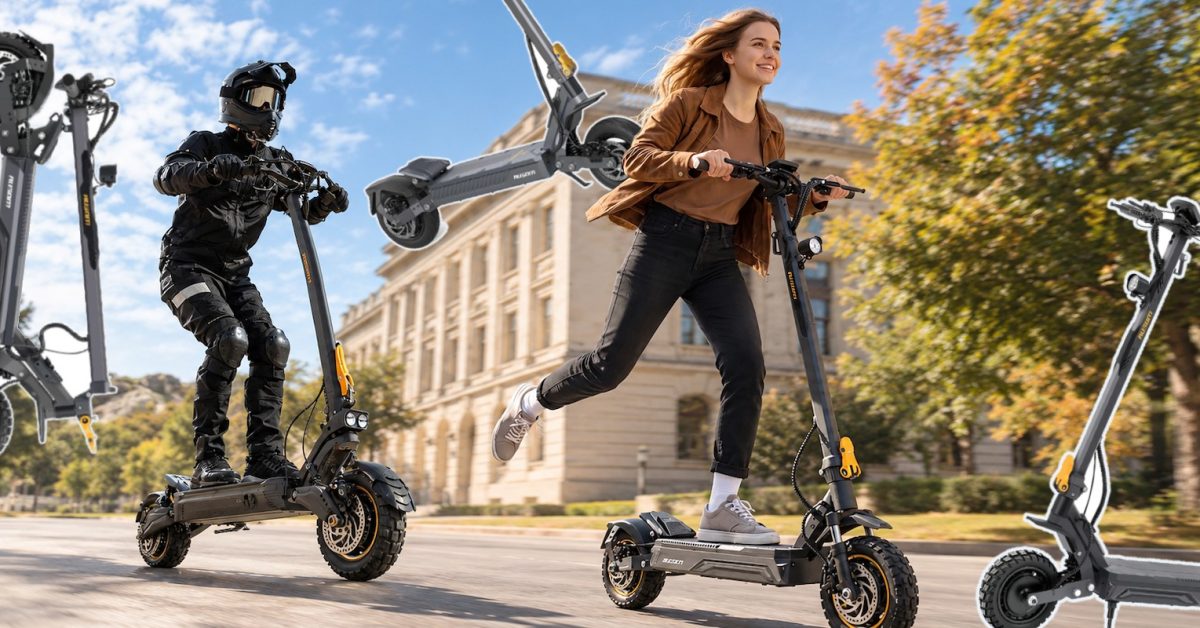
Ausom Launches Fall Sale on Electric Scooters
Ausom is holding a Fall Sale this month, offering discounts on its range of electric scooters,…
Just now
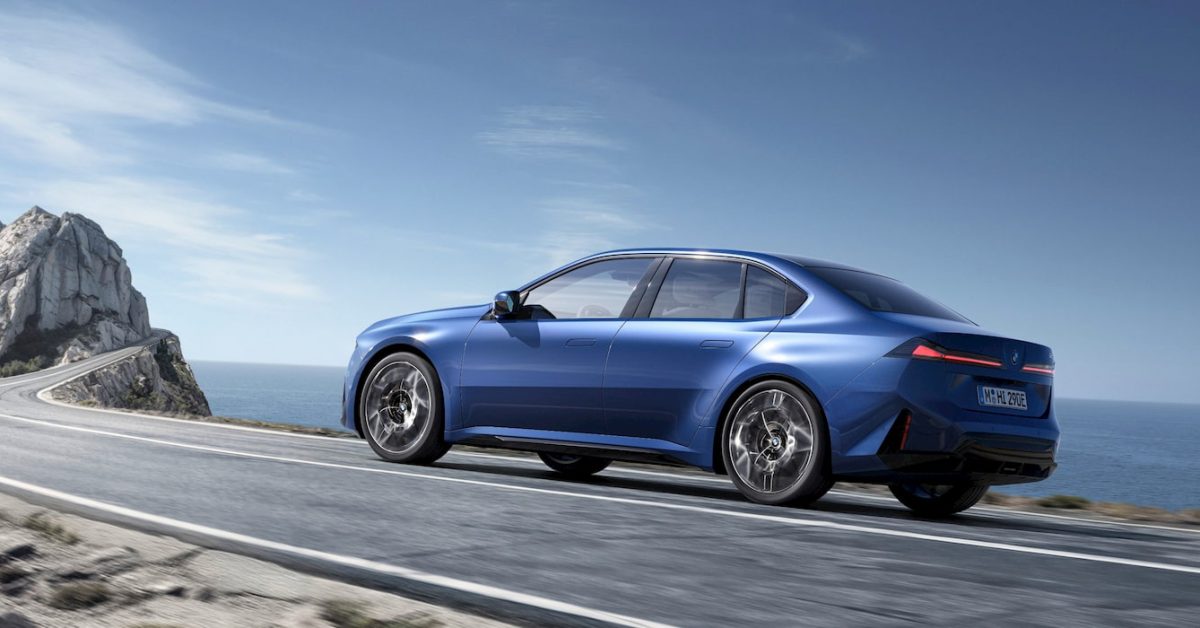
BMW Opens US Reservations for New i3 Ahead of Schedule
BMW has announced that it will open reservations for the new i3 in the United States earlier than…
12h ago
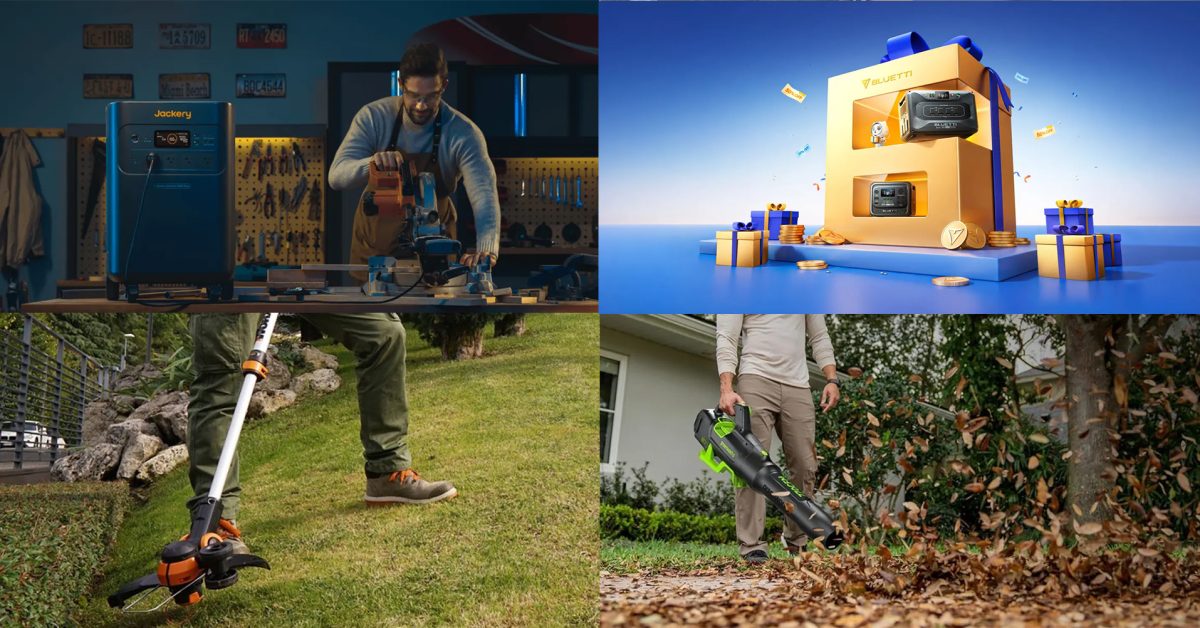
Jackery Explorer 5000 Plus Power Station Discounted by $1,000
The Jackery Explorer 5000 Plus Portable Power Station is now available for $1,499, reflecting a…
18h ago
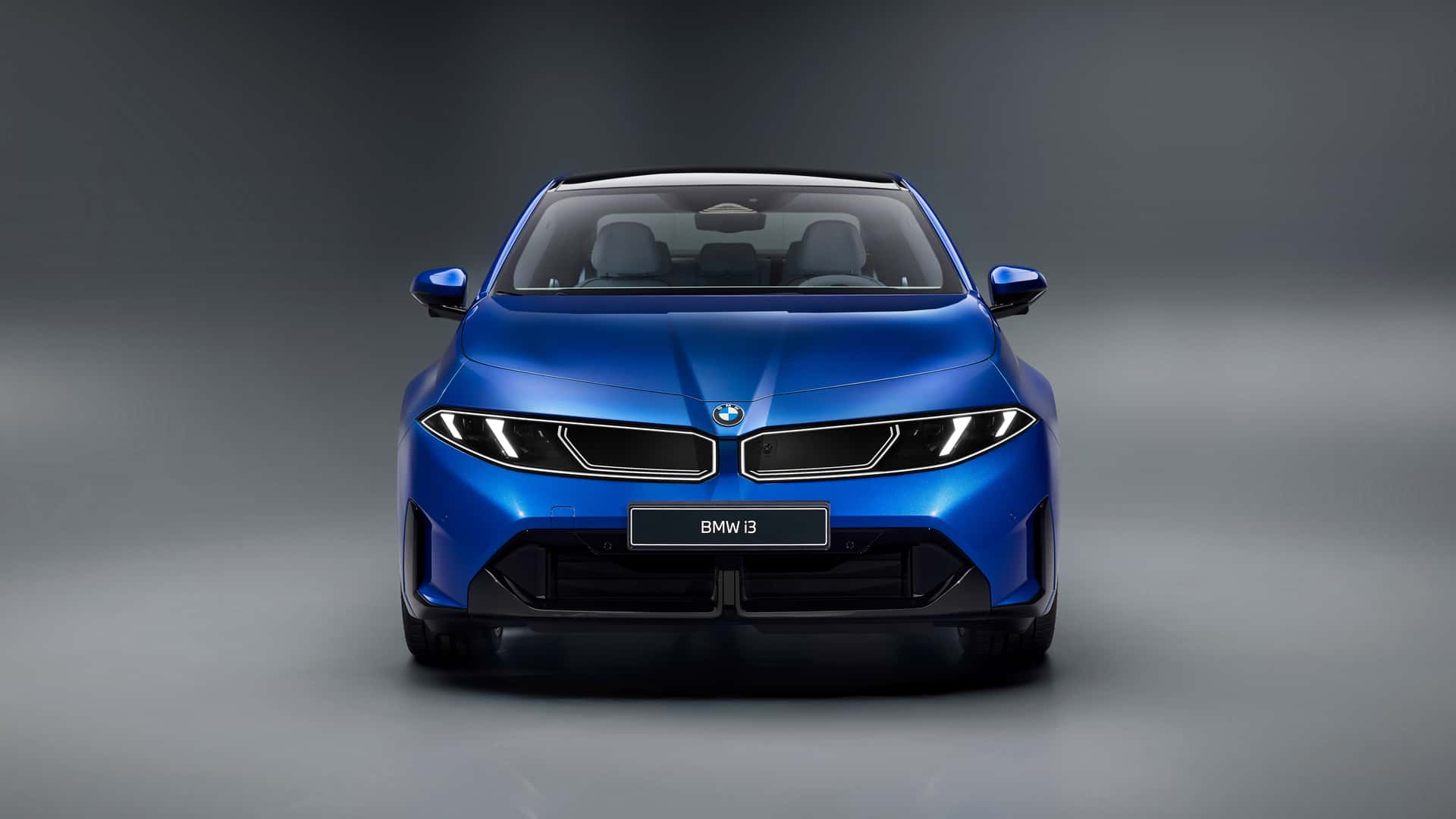
BMW i3 EV Reservations Open Early in the U.S.
BMW has announced that it will begin accepting reservations for the new i3 electric sedan ahead of…
1d ago