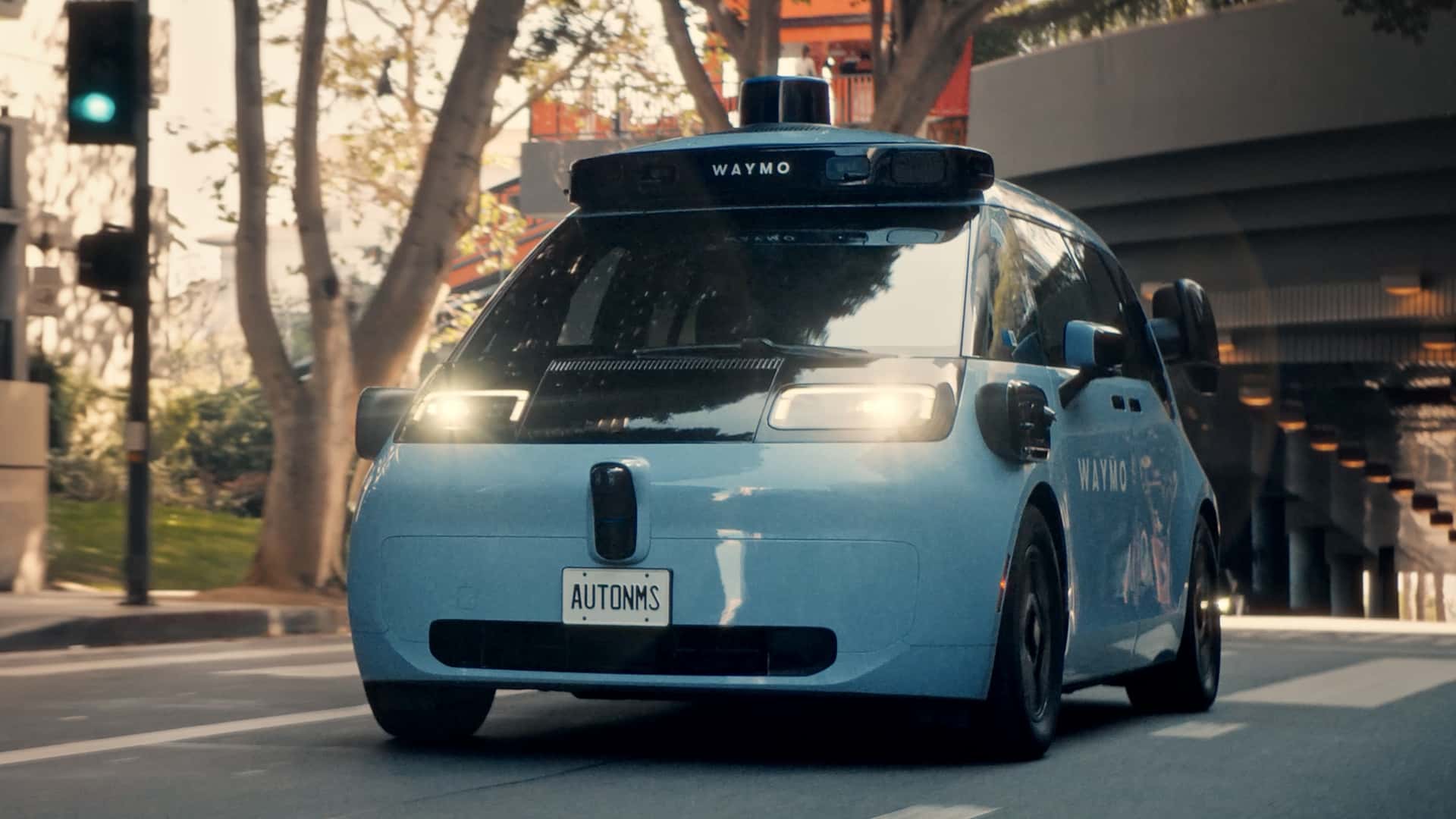
Waymo Reports 82% Fewer Injury-Causing Crashes Compared to Human Drivers

Edited by Dash Coilwright
Incentives & Software
Updated September 26, 2026
3 min read
1 linked source
Waymo has announced that after 271 million miles of driverless operation, its autonomous vehicles were involved in 82% fewer injury-causing crashes than human drivers. This statistic highlights the potential safety benefits of autonomous driving technology. However, it is important to note that these figures are based on Waymo's own data and may not encompass all driving scenarios.
Share this story
Why it matters
- ✓Increased safety statistics could lead to greater consumer confidence in autonomous vehicles, potentially influencing buying decisions.
- ✓As autonomous technology improves, it may reduce insurance costs for EV owners and buyers.
- ✓Enhanced safety records may accelerate regulatory approvals for wider deployment of autonomous vehicles.
Waymo Reports Significant Safety Improvements
Waymo has released a striking statistic: its autonomous vehicles have been involved in 82% fewer injury-causing crashes compared to human drivers. This claim is based on data collected over 271 million miles of driverless operation, suggesting that autonomous driving technology may significantly enhance road safety.
What Changed?
The key change reported by Waymo is a substantial reduction in the incidence of injury-causing crashes when comparing its driverless cars to traditional human drivers. With 271 million miles logged, this data presents a compelling case for the safety benefits of autonomous technology. The 82% reduction in crashes is particularly noteworthy, as it suggests that autonomous vehicles could potentially mitigate many of the risks associated with human error, which is a leading cause of accidents on the road.
Why It Matters for Buyers and Owners
The implications of Waymo's safety numbers are significant for current and prospective EV buyers and owners:
- Consumer Confidence: The reported safety improvements could enhance consumer confidence in autonomous vehicles, making buyers more likely to consider them as a viable option for personal transportation.
- Insurance Costs: If autonomous vehicles continue to demonstrate lower accident rates, this could lead to reduced insurance premiums for owners, lowering the overall cost of ownership.
- Regulatory Impact: As safety records improve, it may facilitate faster regulatory approvals for the deployment of autonomous vehicles, potentially increasing their availability in the market.
Key Details from Source Material
According to InsideEVs, Waymo's assertion is based on its own operational data, which indicates a marked improvement in safety metrics compared to human drivers. The company has amassed a significant amount of driving experience, which lends credibility to its claims. However, it is essential to approach these figures with caution, as they are self-reported and may not reflect all driving conditions or scenarios encountered by human drivers.
What to Watch Next
As the conversation around autonomous vehicles continues to evolve, it will be important to monitor how these safety statistics influence public perception and regulatory frameworks. Future developments may include:
- Additional data releases from Waymo or other autonomous vehicle companies that provide comparative safety metrics.
- Changes in insurance policies or rates for autonomous vehicles as the industry adapts to new safety standards.
- Legislative actions that may arise in response to the growing presence of autonomous vehicles on the roads.
In conclusion, Waymo's reported safety improvements present a significant milestone for the autonomous vehicle industry. While the data is promising, ongoing scrutiny and further validation from independent sources will be crucial in determining the long-term impact of these technologies on road safety.
Sources
These are the documents and reports used to build this brief so readers can verify the story directly.
- Waymo's Latest Safety Numbers Sure Make Human Drivers Look Bad — InsideEVsMEDIA
Reporting notes
EV Signal briefs are written to explain the verified change first, then add the context EV buyers and owners need to understand cost, availability, charging access, eligibility, or ownership impact.
If details are still developing, we try to say what is confirmed, what comes from secondary reporting, and what readers should verify before acting.
Source mix
1 linked source
1 media
Reviewed from: InsideEVs.
Comments
Log in with
Loading comments…
More in Software
EU Delays Vote on Tesla's Full Self-Driving Approval to December
The European Union has postponed the vote on Tesla's 'Full Self-Driving (Supervised)' system,…
1h ago

Waymo Reports Nearly 1,000 Avoided Injuries from Robotaxi Service
Waymo has announced that its robotaxi service has contributed to nearly 1,000 avoided injuries,…
1h ago
Tesla's Full Self Driving Claims Life-Saving Benefits, Subscription Model Introduced
Tesla has announced that its Full Self Driving (FSD) technology is designed to save lives,…
1h ago
Tesla Integrates Grok Bot into Vehicles for Enhanced Personal Assistance
Tesla has officially launched the Grok Bot capability, transforming it from an in-car chatbot into…
7h ago