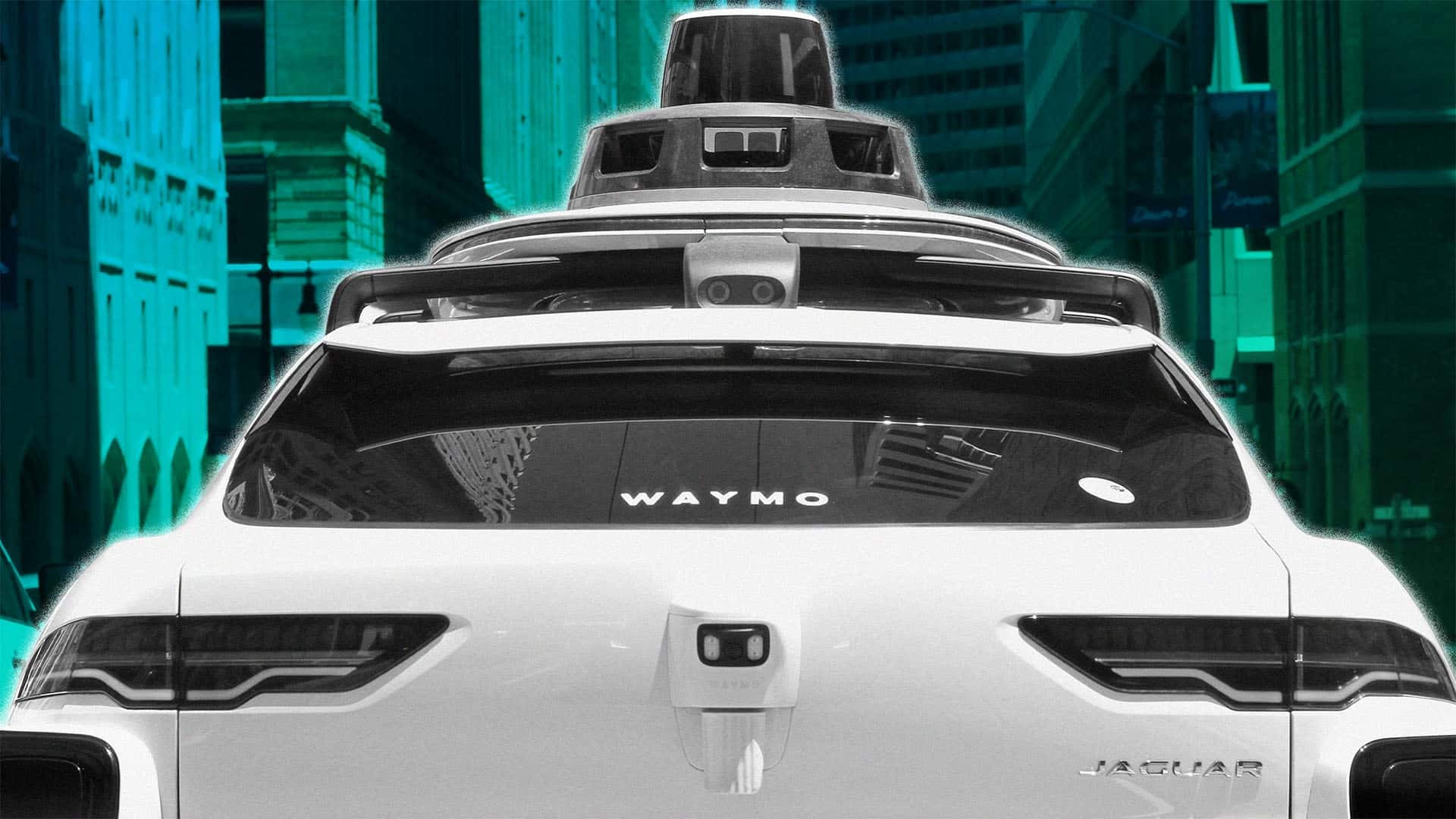
Waymo Recalls Robotaxis Due to Highway Construction Lane Issue
Updated June 18, 2026
3 min read
1 linked source
Waymo has issued a recall for several of its robotaxis after a flaw was discovered that could cause them to drive into closed highway construction lanes. This marks the second recall for Waymo in two months, following a previous incident involving flooded roads. The recall affects users of Waymo's autonomous vehicle service.
Share this story
Why it matters
- ✓Safety concerns may impact public trust in autonomous vehicle technology, potentially affecting user adoption.
- ✓Frequent recalls could lead to increased operational costs for Waymo, which may influence pricing for consumers.
- ✓Users relying on Waymo's services for transportation may experience disruptions or delays while the issue is resolved.
Reporting notes
EV Signal briefs are written to explain the verified change first, then add the context EV buyers and owners need to understand cost, availability, charging access, eligibility, or ownership impact.
If details are still developing, we try to say what is confirmed, what comes from secondary reporting, and what readers should verify before acting.
Source mix
1 linked source
1 media
Reviewed from: InsideEVs.
Waymo Recalls Robotaxis Due to Highway Construction Lane Issue
Waymo has announced a recall for a number of its robotaxis due to a significant software flaw that could lead the vehicles to inadvertently drive into closed highway construction lanes. This recall follows a previous incident just two months ago, where Waymo's vehicles were found to be navigating through flooded roads, raising concerns about their operational safety.
What Changed
The recent recall specifically addresses a software issue that affects the navigation systems of Waymo's autonomous vehicles. The flaw could cause the robotaxis to misinterpret road closures, which poses a serious safety risk not only to the passengers but also to construction workers and other road users. This recall is critical as it highlights ongoing challenges in the development and deployment of autonomous vehicle technology.
Why It Matters for Buyers and Owners
The implications of this recall extend beyond just the immediate safety concerns:
- Public Trust: Safety issues like this can erode public confidence in autonomous vehicle technology, which is crucial for widespread adoption. If users feel that these vehicles are not safe, they may be less likely to use or invest in such services.
- Operational Costs: Frequent recalls can lead to increased costs for Waymo, which may eventually affect pricing structures for consumers. If operational expenses rise, it could translate to higher fares for riders.
- Service Disruptions: Users who rely on Waymo's robotaxis for their daily transportation may face interruptions in service while the company addresses these issues. This could lead to inconvenience for those who depend on these vehicles for commuting.
Key Details from Source Material
According to an article from InsideEVs, this recall is the second in a short span of time for Waymo. The previous recall involved a flaw that allowed the vehicles to navigate through flooded areas, raising alarms about their reliability in adverse conditions. These incidents underscore the importance of rigorous testing and validation in the deployment of autonomous technologies.
What to Watch Next
As Waymo works to rectify the software issues leading to this recall, it will be important to monitor how the company communicates with its users and the steps it takes to ensure safety. Observers should look for updates on the resolution timeline and any additional recalls that may arise as the company continues to refine its technology. Additionally, the response from the public and regulatory bodies will be crucial in shaping the future of autonomous vehicle deployment in urban environments.
Sources
These are the documents and reports used to build this brief so readers can verify the story directly.
Comments
Log in with
Loading comments…
More in Software
Mercedes Partners with Wayve for Advanced Driver Assistance System
Mercedes-Benz has announced a collaboration with Wayve to develop a driver assistance system…
1d ago
Tesla Full Self-Driving Update Issues False Camera Alerts
Tesla's latest Full Self-Driving update, version 14.3.9, is erroneously alerting owners that their…
1d ago
Mercedes-Benz Partners with Wayve for AI Driver Integration in Future Vehicles
Mercedes-Benz has finalized a production agreement with Wayve, a British self-driving startup, to…
1d ago
Tesla Cybercab Faces Navigation Issues Similar to Existing Tesla Models
Tesla's new Cybercab robotaxis are reportedly experiencing navigation problems, taking unusual…
2d ago