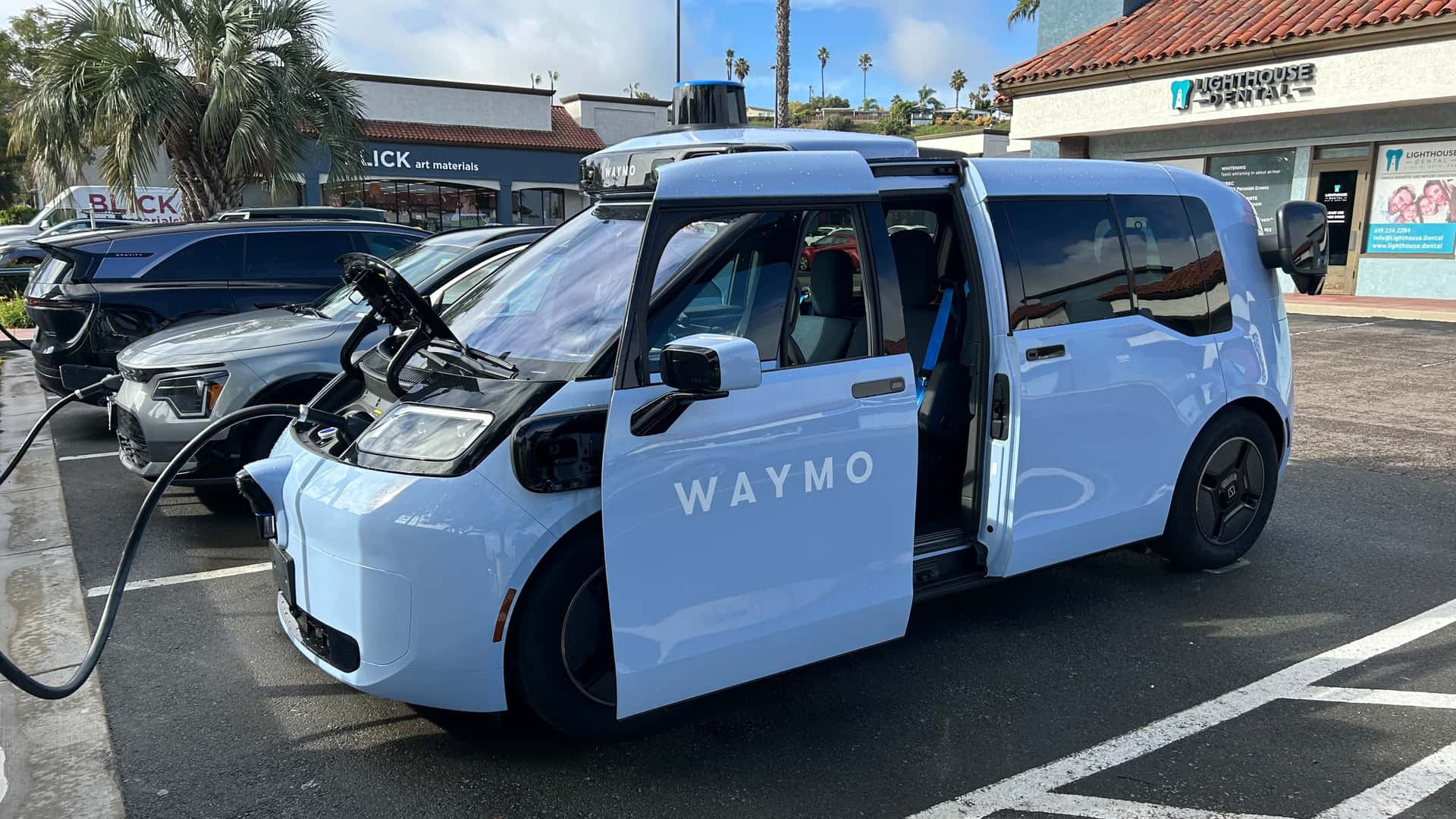
Waymo Expands Service to Snowy Denver, Faces New Challenges
Updated September 1, 2026
3 min read
1 linked source
Waymo is expanding its autonomous ride-hailing service to Denver, a city known for its harsh winter weather, receiving an average of 56 inches of snow annually. This marks a significant shift for Waymo, which has primarily operated in warmer climates with milder winters. The adaptation to snowy conditions poses challenges for the technology and its reliability in inclement weather.
Share this story
Why it matters
- ✓EV owners in snowy regions may benefit from improved autonomous ride-hailing options, enhancing mobility during winter months.
- ✓Waymo's performance in snow could influence consumer confidence in autonomous vehicle technology in adverse weather conditions.
- ✓The success or failure of Waymo's service in Denver may affect future expansions into other cold-weather cities.
Reporting notes
EV Signal briefs are written to explain the verified change first, then add the context EV buyers and owners need to understand cost, availability, charging access, eligibility, or ownership impact.
If details are still developing, we try to say what is confirmed, what comes from secondary reporting, and what readers should verify before acting.
Source mix
1 linked source
1 media
Reviewed from: InsideEVs.
Waymo Expands Service to Snowy Denver, Faces New Challenges
Waymo is set to launch its autonomous ride-hailing service in Denver, a city that presents a new set of challenges due to its snowy winters. With an average snowfall of around 56 inches per year, this expansion marks a significant shift for Waymo, which has primarily operated in warmer climates with milder winter conditions.
What Changed
Waymo's decision to enter the Denver market represents its first foray into a region where winter weather can severely impact driving conditions. Previously, the company has focused on cities like San Francisco and Phoenix, where the climate is more forgiving. The introduction of its service in Denver raises questions about how well its autonomous technology can adapt to snow and ice, which can complicate navigation and safety.
Why It Matters for Buyers and Owners
- Improved Mobility Options: For EV owners and potential riders in snowy regions, Waymo's service could provide a reliable transportation option during winter months when driving conditions are often hazardous.
- Consumer Confidence: The performance of Waymo's vehicles in snowy conditions will be closely watched and could influence consumer confidence in autonomous vehicle technology, particularly in areas prone to severe weather.
- Future Expansions: The outcome of this Denver launch may shape Waymo's strategy for future expansions into other cold-weather cities, impacting the availability of autonomous ride-hailing services across the country.
Key Details from Source Material
According to InsideEVs, Waymo's expansion into Denver is a notable development as it seeks to broaden its service area. The company has yet to disclose specific details about how its vehicles will handle the challenges posed by snow and ice, including whether additional technology or modifications will be implemented to ensure safety and reliability.
The significance of this move cannot be understated, as it tests the limits of autonomous driving technology in less-than-ideal conditions. The company will need to demonstrate that its vehicles can navigate safely and effectively in snowy weather to gain the trust of potential users in Denver and beyond.
What to Watch Next
As Waymo prepares to launch its service in Denver, stakeholders will be keenly observing the initial performance of its vehicles in winter conditions. Key areas to monitor include:
- Safety Reports: Any incidents or safety reports that arise during the initial rollout.
- User Feedback: Reactions from users regarding the reliability and comfort of the service in snowy weather.
- Future Plans: Waymo's announcements regarding further expansions into other cities with similar climates, based on the success of the Denver launch.
In conclusion, Waymo's entry into Denver marks a pivotal moment for the company and the broader autonomous vehicle industry. The challenges posed by winter weather will test the technology's capabilities and could have lasting implications for the future of ride-hailing services in cold climates.
Sources
These are the documents and reports used to build this brief so readers can verify the story directly.
Comments
Log in with
Loading comments…
More in Software

Mercedes Partners with Wayve for Advanced Driver Assistance System
Mercedes-Benz has announced a collaboration with Wayve to develop a driver assistance system…
1d ago
Tesla Full Self-Driving Update Issues False Camera Alerts
Tesla's latest Full Self-Driving update, version 14.3.9, is erroneously alerting owners that their…
1d ago

Mercedes-Benz Partners with Wayve for AI Driver Integration in Future Vehicles
Mercedes-Benz has finalized a production agreement with Wayve, a British self-driving startup, to…
1d ago
Tesla Cybercab Faces Navigation Issues Similar to Existing Tesla Models
Tesla's new Cybercab robotaxis are reportedly experiencing navigation problems, taking unusual…
2d ago