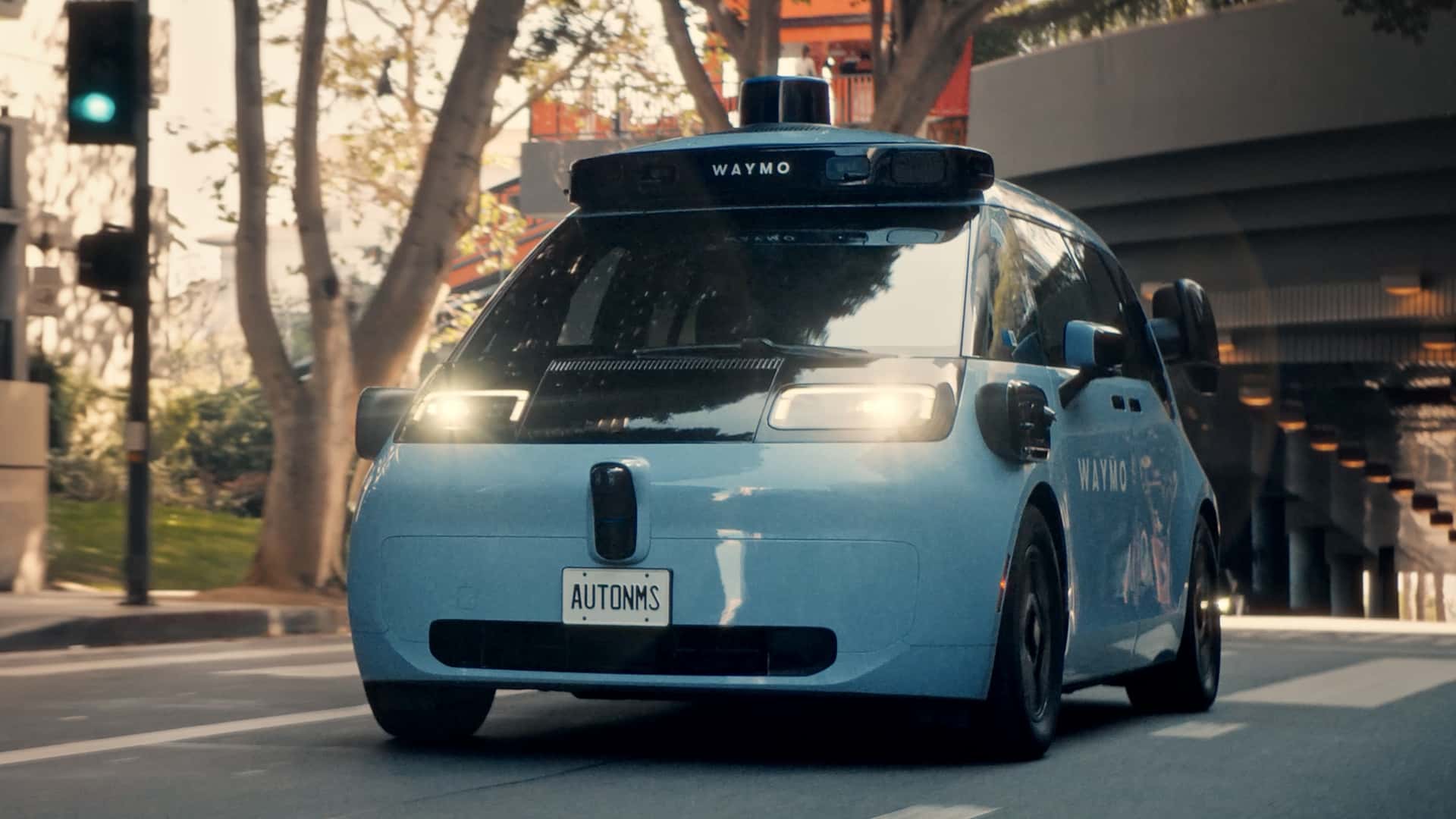
Waymo Critiques Tesla's Camera-Only Approach to Self-Driving
Updated August 27, 2026
3 min read
1 linked source
Waymo's top engineer has publicly criticized Tesla's reliance on cameras for autonomous driving, stating that they are 'not enough' for safe and effective self-driving technology. This statement highlights a significant difference in the approaches taken by Waymo and Tesla in developing self-driving capabilities. The implications of this critique could affect consumer perceptions of Tesla's self-driving technology and its safety.
Share this story
Why it matters
- ✓Consumers may reconsider their trust in Tesla's self-driving features, potentially impacting sales.
- ✓Waymo's emphasis on a multi-sensor approach could lead to advancements in safety and reliability for future autonomous vehicles.
- ✓The ongoing debate between camera-based and multi-sensor systems may influence the development of regulations and standards in the EV industry.
Reporting notes
EV Signal briefs are written to explain the verified change first, then add the context EV buyers and owners need to understand cost, availability, charging access, eligibility, or ownership impact.
If details are still developing, we try to say what is confirmed, what comes from secondary reporting, and what readers should verify before acting.
Source mix
1 linked source
1 media
Reviewed from: InsideEVs.
Waymo Critiques Tesla's Camera-Only Approach to Self-Driving
In a recent blog post, a leading engineer from Waymo has taken a firm stance against Tesla's reliance on cameras for its self-driving technology, asserting that cameras alone are insufficient for achieving true autonomy. This critique underscores the differing philosophies between Waymo and Tesla regarding the development of autonomous driving systems.
What Changed
The key change comes from Waymo's assertion that a multi-sensor approach is necessary for safe and effective autonomous driving. This statement directly challenges Tesla's strategy, which predominantly relies on camera-based systems for its Full Self-Driving (FSD) features. Waymo's engineer emphasized that relying solely on cameras could lead to significant safety risks, suggesting that additional sensors, such as LIDAR and radar, are essential for navigating complex driving environments.
Why It Matters for Buyers and Owners
- Consumer Trust: Waymo's critique may lead potential buyers to question the safety and reliability of Tesla's self-driving features, possibly affecting sales and consumer confidence in Tesla's technology.
- Safety and Reliability: As Waymo advocates for a multi-sensor approach, this may prompt further advancements in safety standards across the industry, influencing how future autonomous vehicles are designed and regulated.
- Regulatory Impact: The ongoing debate between camera-based and multi-sensor systems could shape future regulations and standards in the EV industry, impacting how manufacturers develop their self-driving technologies.
Key Details from Source Material
According to the blog post referenced by InsideEVs, Waymo's engineer argues that the complexities of real-world driving scenarios cannot be adequately addressed by cameras alone. This perspective aligns with Waymo's established approach, which incorporates a variety of sensors to enhance the vehicle's perception of its surroundings. The engineer's comments highlight a fundamental philosophical divide in the autonomous vehicle space, particularly between companies like Waymo, which advocates for a comprehensive sensor suite, and Tesla, which has focused heavily on camera technology.
What to Watch Next
As this discussion evolves, it will be important to monitor how Tesla responds to Waymo's critique and whether it will adjust its strategy in light of these criticisms. Additionally, the broader implications for regulatory bodies and industry standards regarding autonomous driving technology will be crucial to watch, as they may influence the future landscape of EV safety and technology development. The ongoing competition between different approaches to self-driving technology will likely continue to shape consumer perceptions and market dynamics in the EV sector.
Sources
These are the documents and reports used to build this brief so readers can verify the story directly.
Comments
Log in with
Loading comments…
More in Software
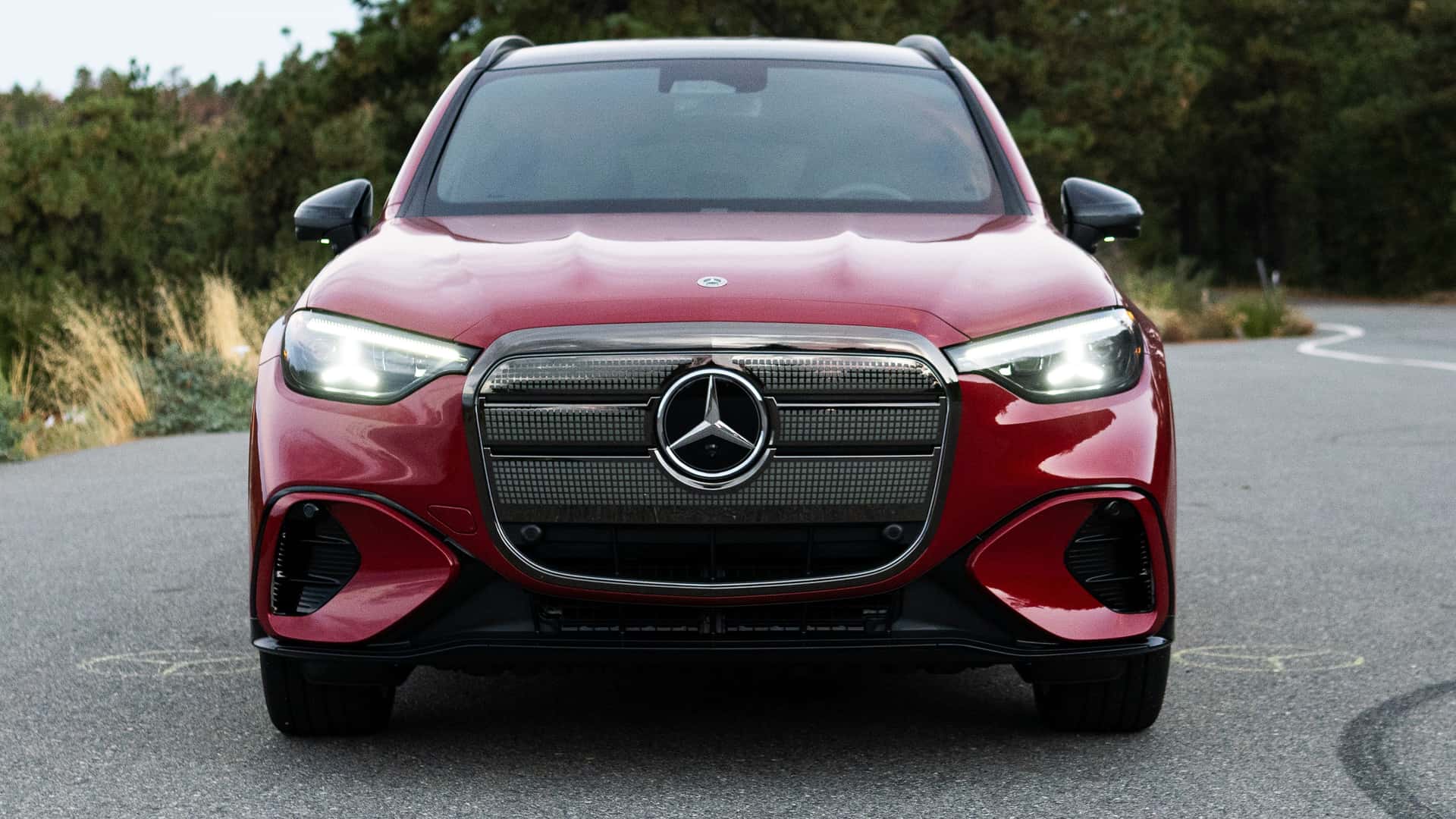
Mercedes Partners with Wayve for Advanced Driver Assistance System
Mercedes-Benz has announced a collaboration with Wayve to develop a driver assistance system…
1d ago
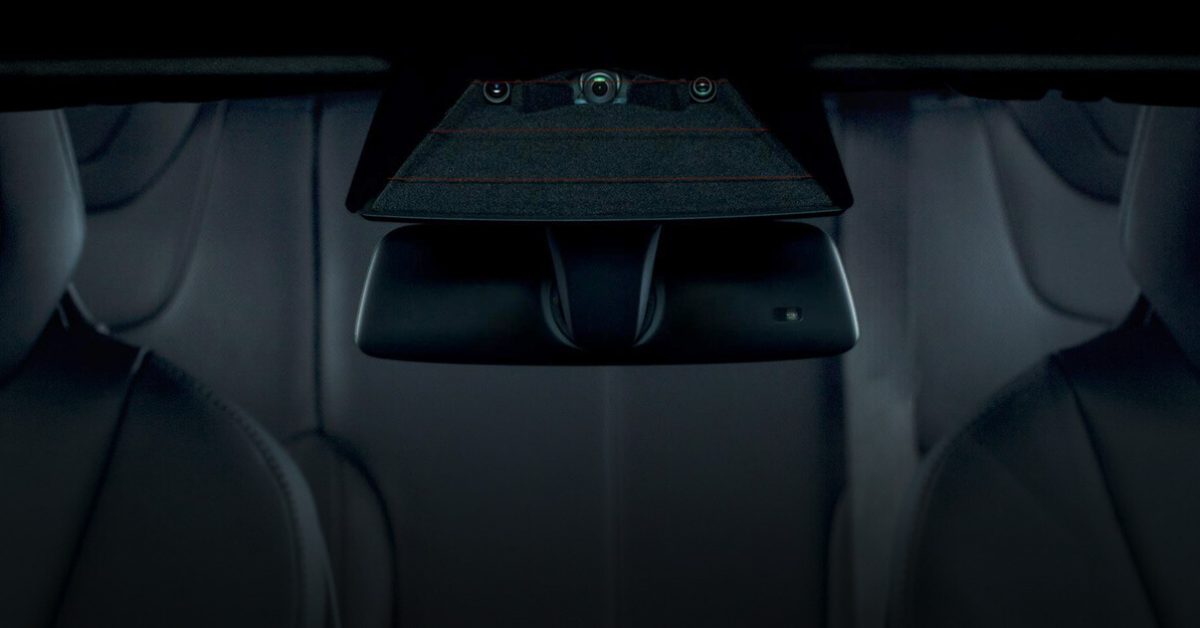
Tesla Full Self-Driving Update Issues False Camera Alerts
Tesla's latest Full Self-Driving update, version 14.3.9, is erroneously alerting owners that their…
1d ago
Mercedes-Benz Partners with Wayve for AI Driver Integration in Future Vehicles
Mercedes-Benz has finalized a production agreement with Wayve, a British self-driving startup, to…
1d ago
Tesla Cybercab Faces Navigation Issues Similar to Existing Tesla Models
Tesla's new Cybercab robotaxis are reportedly experiencing navigation problems, taking unusual…
2d ago