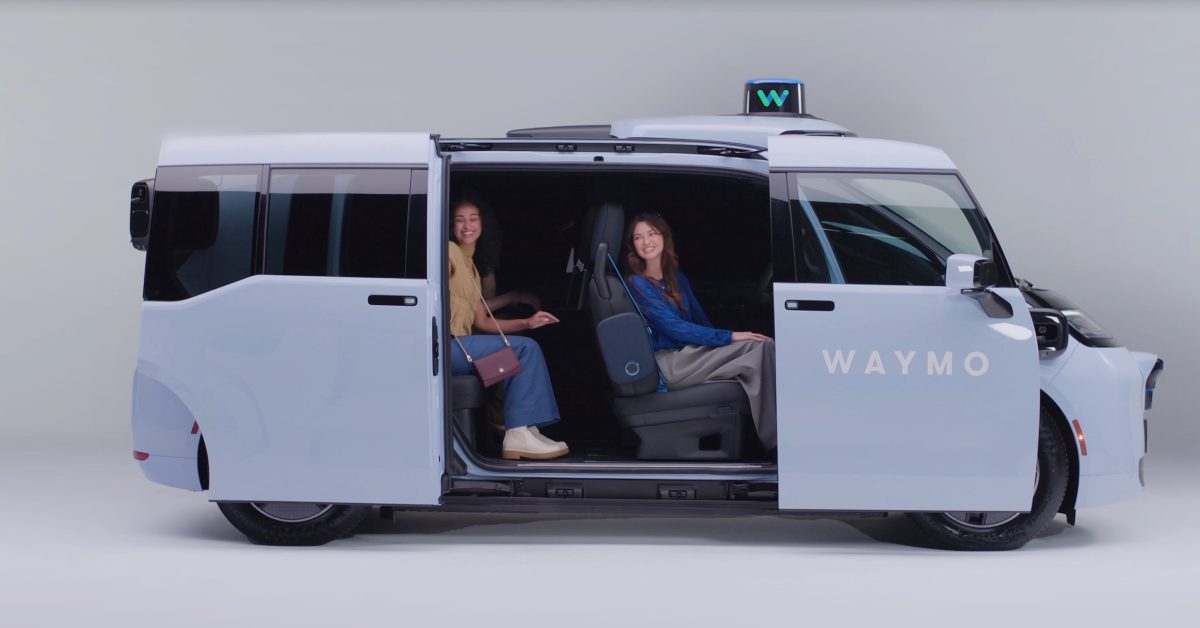
Waymo Accumulates Over 8,300 Parking Tickets in San Francisco, Facing Nearly $1 Million in Fines
Updated September 2, 2026
3 min read
1 linked source
Waymo's fleet of robotaxis has received more than 8,300 parking tickets in San Francisco since the beginning of 2025, resulting in fines close to $1 million. This marks a significant increase from just 589 tickets in 2024, with the company now averaging over 100 tickets per week. The rapid growth of Waymo's operations in the city has raised concerns about the implications for urban parking management and autonomous vehicle regulations.
Share this story
Why it matters
- ✓Increased fines could lead to higher operational costs for Waymo, potentially affecting pricing for consumers who use their services.
- ✓The accumulation of parking tickets raises questions about the viability of autonomous vehicle operations in urban environments, which could impact future EV adoption.
- ✓As cities adapt to the presence of autonomous vehicles, regulations and infrastructure may evolve, influencing how EV buyers and owners navigate urban areas.
Reporting notes
EV Signal briefs are written to explain the verified change first, then add the context EV buyers and owners need to understand cost, availability, charging access, eligibility, or ownership impact.
If details are still developing, we try to say what is confirmed, what comes from secondary reporting, and what readers should verify before acting.
Source mix
1 linked source
1 media
Reviewed from: Electrek.
Waymo's Parking Ticket Surge
Waymo has reported a staggering increase in parking tickets in San Francisco, with over 8,300 citations issued since the start of 2025. This has resulted in fines nearing $1 million, a significant jump from the mere 589 tickets received in 2024. The company's robotaxi fleet is now averaging more than 100 parking tickets per week, highlighting the challenges faced by autonomous vehicle operations in urban settings.
What Changed
The most notable change is the dramatic rise in parking violations attributed to Waymo's robotaxi fleet in San Francisco. The increase from 589 tickets in 2024 to over 8,300 in 2025 indicates a rapid expansion of Waymo's services and a corresponding escalation in regulatory scrutiny. This uptick in fines reflects not only the growth of the fleet but also the complexities of integrating autonomous vehicles into existing urban infrastructure.
Why It Matters for Buyers and Owners
The implications of Waymo's parking ticket situation extend beyond the company itself:
- Operational Costs: The financial burden of accumulating fines could lead to increased operational costs for Waymo, which may ultimately be passed on to consumers in the form of higher ride prices.
- Urban Regulations: The challenges faced by Waymo in managing parking violations may prompt cities to reconsider regulations surrounding autonomous vehicles, potentially affecting the future landscape for EV buyers and owners.
- Infrastructure Adaptation: As cities adapt to the presence of autonomous vehicles, the evolution of parking and traffic management systems could influence how EV owners navigate urban areas, impacting their day-to-day experiences.
Key Details from Source Material
According to Electrek, Waymo's rapid growth in San Francisco has led to a significant increase in parking citations. The company has gone from receiving 589 tickets in 2024 to over 8,300 in 2025, indicating a substantial uptick in its operational footprint. The fines accumulated are approaching $1 million, raising concerns about the sustainability of such a business model in a city with stringent parking regulations.
What to Watch Next
As Waymo continues to expand its robotaxi services, it will be crucial to monitor how the company addresses these parking violations. Potential changes in operational strategies, partnerships with local governments, or adjustments to the robotaxi service model could emerge as responses to the current challenges. Additionally, observing how other cities respond to the integration of autonomous vehicles will provide insights into the future of urban mobility and its impact on EV ownership.
In conclusion, Waymo's parking ticket situation serves as a critical case study in the challenges of deploying autonomous vehicles in urban environments. The outcomes of this situation may have broader implications for the future of electric vehicle adoption and urban transportation policies.
Sources
These are the documents and reports used to build this brief so readers can verify the story directly.
Comments
Log in with
Loading comments…
More in Ownership
Tesla's Lawyers Misled Witness in Racism Trial
Tesla's ongoing racism trial in California has faced significant setbacks as it was revealed that a…
19h ago
Rivian R2 Faces First Recall Due to Camera Issue
Rivian has issued a recall affecting nearly 99,000 vehicles, including some of its new R2 models,…
19h ago
BMW iX3 Outperforms Mercedes GLC and Volvo EX60 in Highway Efficiency Test
In a recent highway test, the BMW iX3 demonstrated superior energy efficiency and range compared to…
1d ago
PHEV Batteries Show Resilience Despite Frequent Cycling
Plug-in hybrid electric vehicles (PHEVs) experience more frequent battery cycling than fully…
1d ago