
Washington State's New Law on E-Bikes Sparks Confusion Over Classification
Updated June 25, 2026
3 min read
1 linked source
A new law in Washington state has led to confusion regarding the classification of electric bicycles (e-bikes) as e-motorcycles. While the law aims to clarify regulations, reports from local media have misinterpreted its implications, potentially affecting e-bike owners and buyers. It's essential for consumers to understand the actual legal definitions to avoid any misclassification issues.
Share this story
Why it matters
- ✓Misclassification could lead to increased registration fees and insurance costs for e-bike owners.
- ✓Potential restrictions on where e-bikes can be used if classified as e-motorcycles.
- ✓Confusion may deter potential buyers from considering e-bikes due to perceived regulatory hurdles.
Reporting notes
EV Signal briefs are written to explain the verified change first, then add the context EV buyers and owners need to understand cost, availability, charging access, eligibility, or ownership impact.
If details are still developing, we try to say what is confirmed, what comes from secondary reporting, and what readers should verify before acting.
Source mix
1 linked source
1 media
Reviewed from: Electrek.
Washington State's New Law on E-Bikes Sparks Confusion Over Classification
A new law in Washington state has generated significant confusion regarding the classification of electric bicycles (e-bikes). Reports from local media have inaccurately suggested that the new legislation reclassifies e-bikes as e-motorcycles, leading to concerns among current and prospective e-bike owners.
What Changed
The recent law aims to clarify the legal definitions surrounding e-bikes and e-motorcycles in Washington. However, local media coverage has misrepresented the law's implications, causing uncertainty among consumers about how this classification change might affect their ownership and use of e-bikes.
Why It Matters for Buyers/Owners
The misinterpretation of the law could have several significant implications for e-bike owners and potential buyers:
- Increased Costs: If e-bikes are classified as e-motorcycles, owners may face higher registration fees and insurance costs, which could deter individuals from purchasing e-bikes.
- Usage Restrictions: E-motorcycles may be subject to different regulations regarding where they can be operated, potentially limiting the areas where e-bike riders can ride legally.
- Market Impact: The confusion surrounding the classification may discourage potential buyers from considering e-bikes, impacting sales and the overall growth of the e-bike market in Washington.
Key Details from Source Material
According to Electrek, the new law was intended to provide clarity but has instead led to widespread misunderstanding. The miscommunication from Washington media outlets has raised alarms among e-bike advocates and users, who fear that the misclassification could lead to unnecessary regulatory burdens.
The law itself does not explicitly state that e-bikes are now e-motorcycles; rather, it seeks to define the distinctions more clearly. However, the media's portrayal has created a narrative that could mislead consumers about the legal status of their e-bikes.
What to Watch Next
As the situation develops, it will be crucial for Washington state officials to clarify the law's intent and implications. E-bike advocacy groups are likely to respond to the confusion, and further clarification from state authorities will be necessary to ensure that consumers understand their rights and responsibilities regarding e-bike ownership. Keep an eye on local news outlets and official state communications for updates on this evolving situation.
In conclusion, while the new law aims to clarify the classification of e-bikes, the current media portrayal has led to significant confusion that could impact buyers and owners. Understanding the actual legal definitions will be essential for consumers navigating this landscape.
Sources
These are the documents and reports used to build this brief so readers can verify the story directly.
Comments
Log in with
Loading comments…
More in Ownership
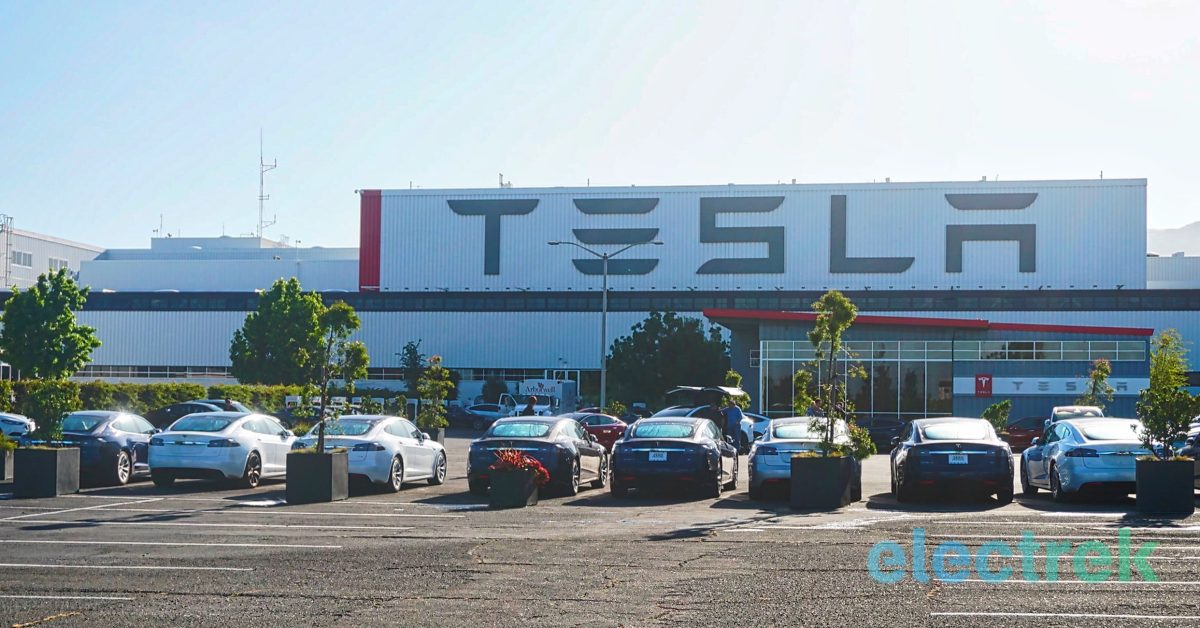
Tesla's Lawyers Misled Witness in Racism Trial
Tesla's ongoing racism trial in California has faced significant setbacks as it was revealed that a…
18h ago
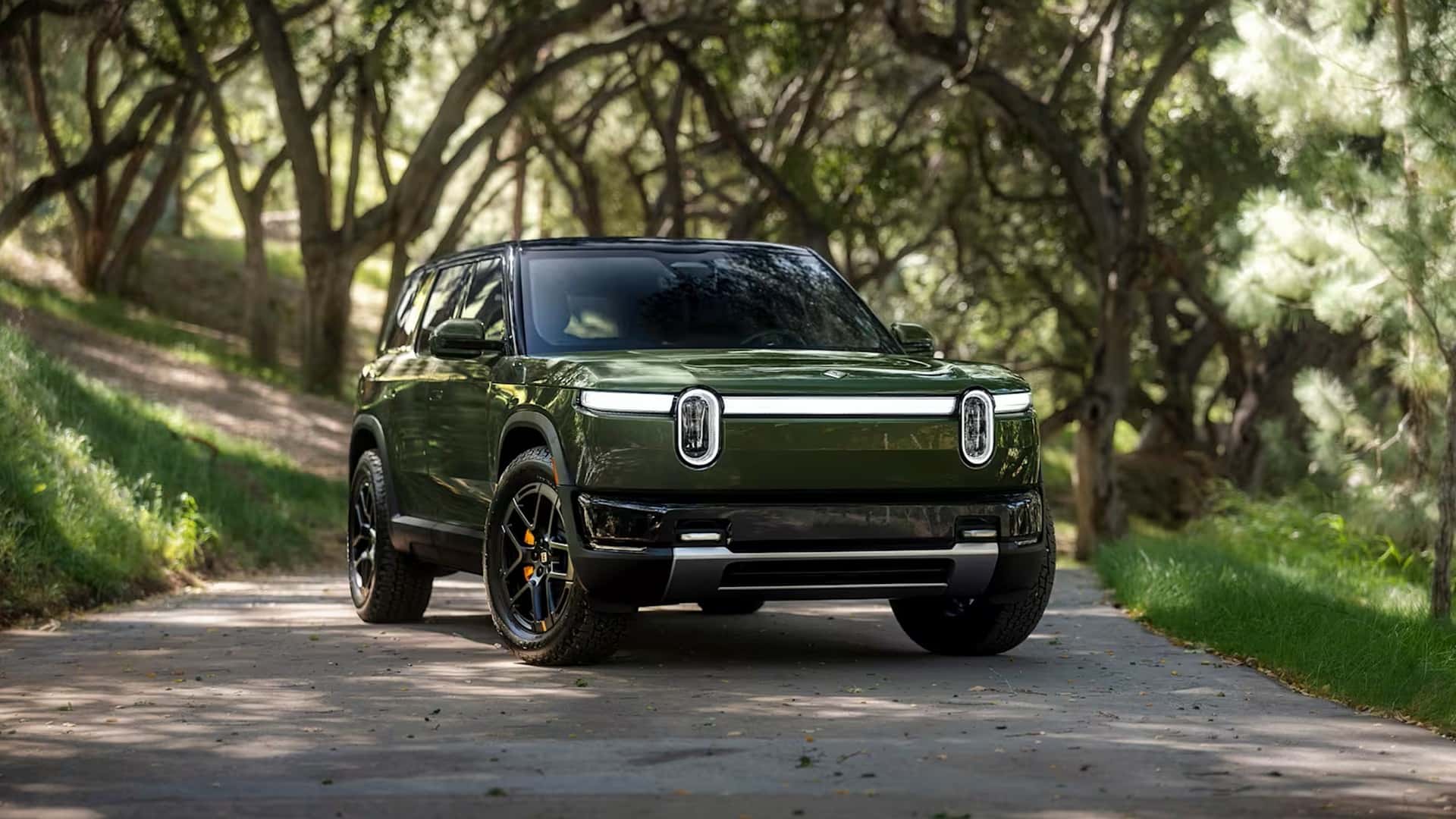
Rivian R2 Faces First Recall Due to Camera Issue
Rivian has issued a recall affecting nearly 99,000 vehicles, including some of its new R2 models,…
18h ago
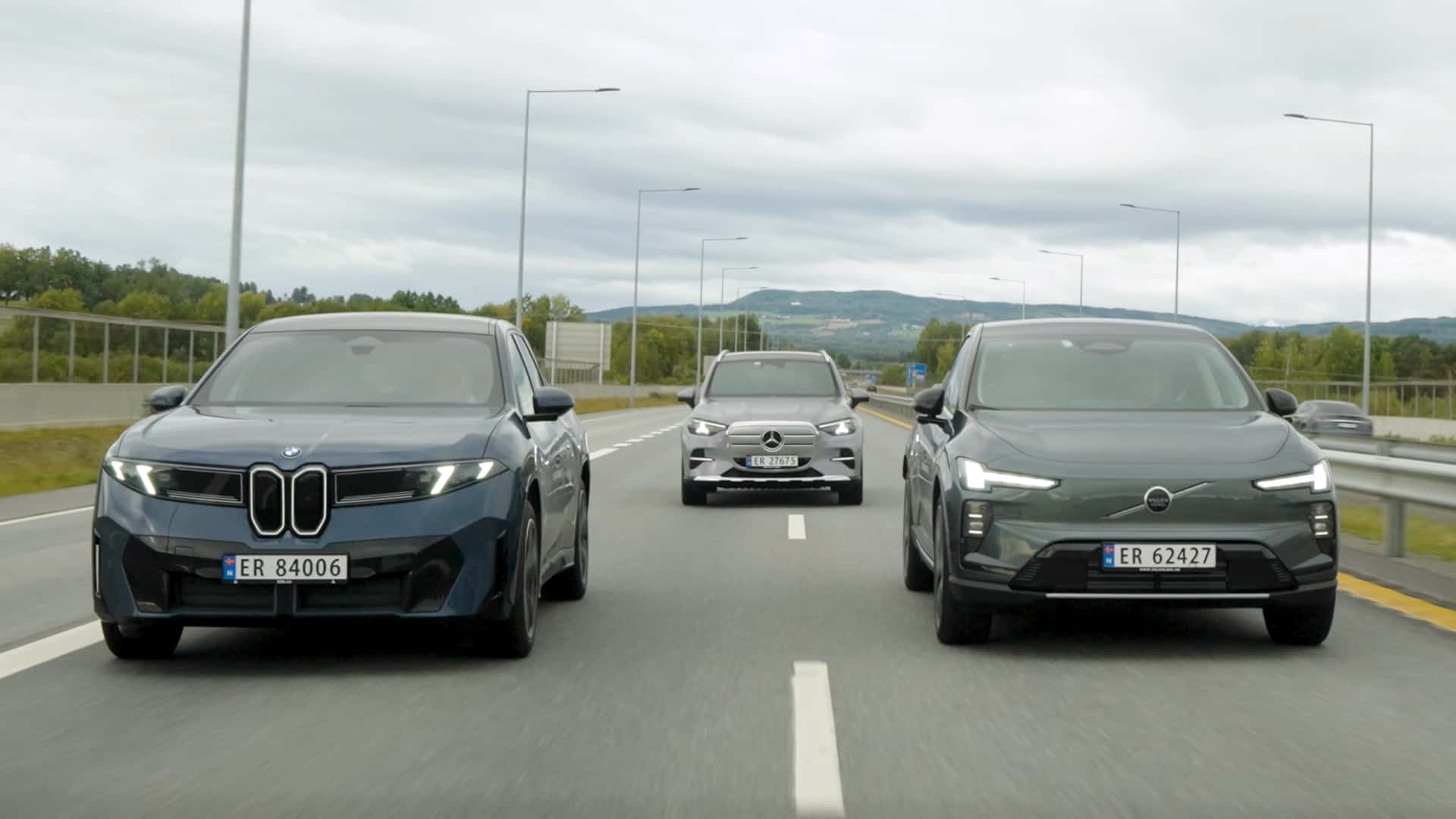
BMW iX3 Outperforms Mercedes GLC and Volvo EX60 in Highway Efficiency Test
In a recent highway test, the BMW iX3 demonstrated superior energy efficiency and range compared to…
1d ago
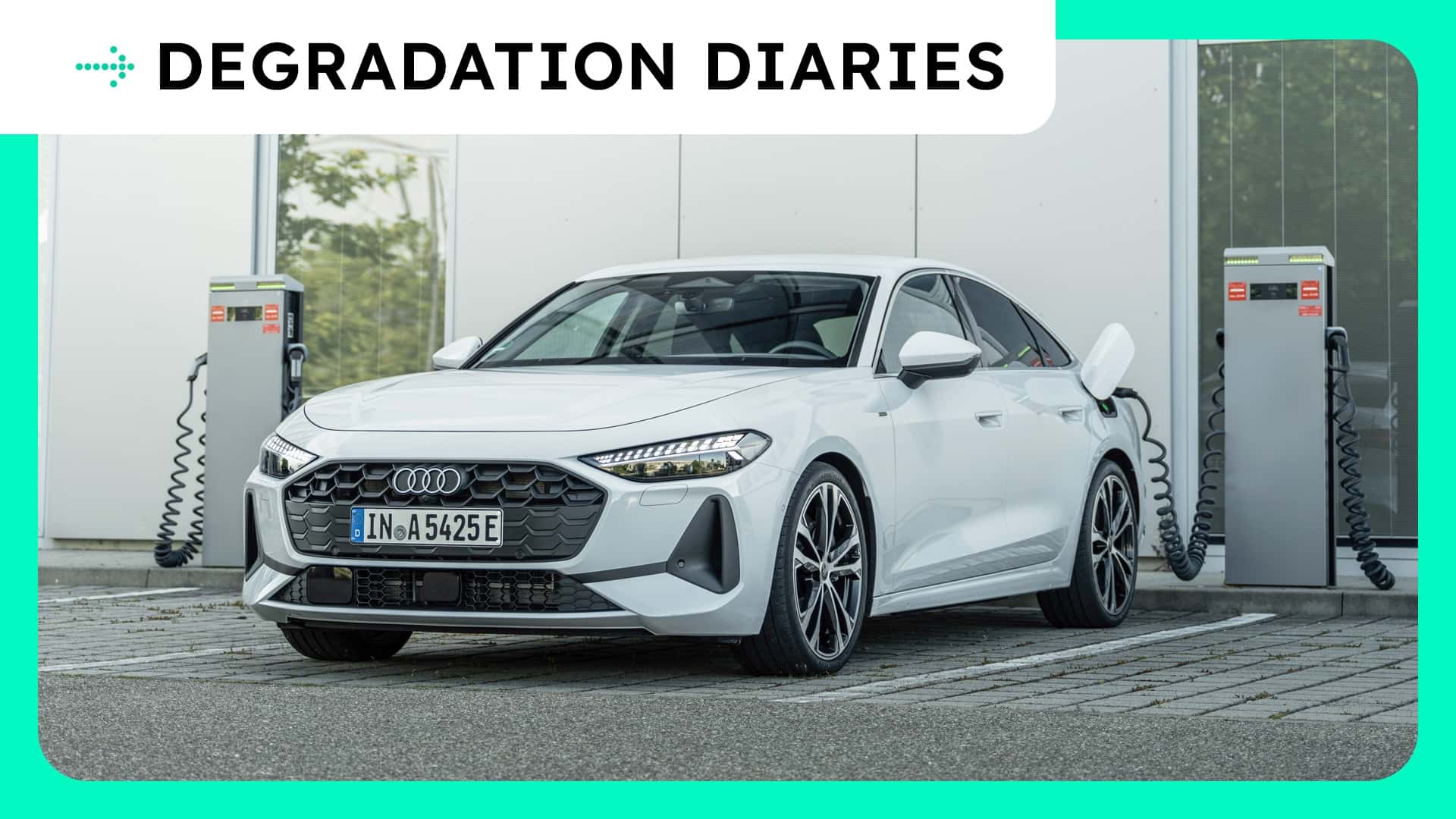
PHEV Batteries Show Resilience Despite Frequent Cycling
Plug-in hybrid electric vehicles (PHEVs) experience more frequent battery cycling than fully…
1d ago