VW Offers Payments to German EV Drivers for Plugging In
Volkswagen's charging subsidiary, Elli, will pay eligible EV drivers in Germany €0.24 per hour for keeping their vehicles plugged in, starting December. Drivers can earn up to €720 in the first year, but must invest in a €1,995 bidirectional charger and a compatible smart meter. This offer applies to certain VW, Cupra, and Škoda models equipped with bidirectional charging capabilities.

Key takeaways
30-second read- 1This program incentivizes EV owners to keep their vehicles plugged in, potentially offsetting some costs of owning a bidirectional charger.
- 2The upfront cost of the charger may deter some buyers, as it exceeds the potential earnings in the first year.
- 3Eligible drivers can benefit from additional savings on electricity costs if they have solar panels, enhancing the value of the investment.
Confirmed
No official source linked yet
Reported
Secondary reporting: InsideEVs
Verify yourself
Eligibility, local prices and dates for your car, state or utility
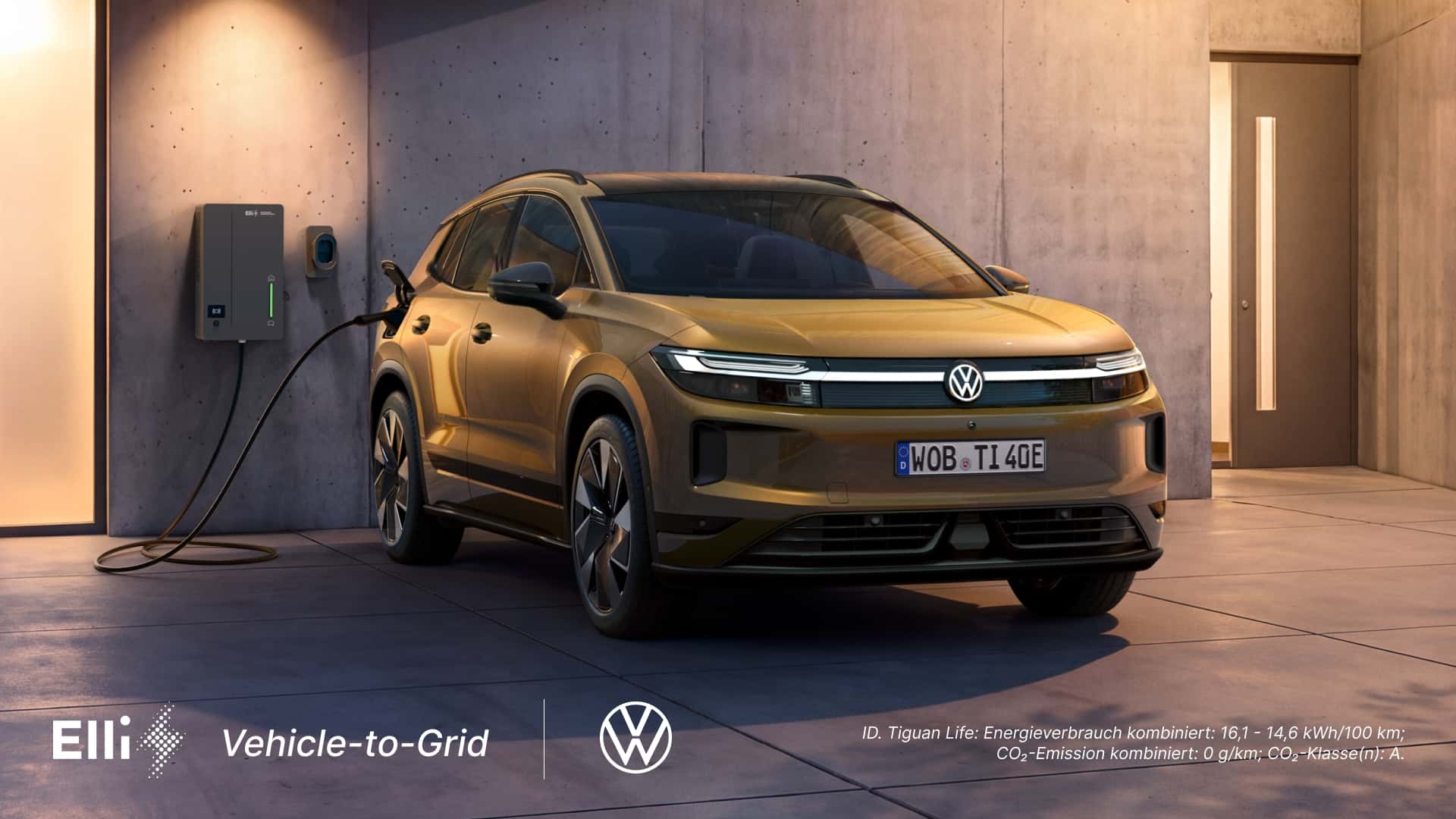
Volkswagen's subsidiary, Elli, is launching a new program in Germany that allows eligible EV drivers to earn money simply by keeping their vehicles plugged in. Starting in December, drivers can earn €0.24 per hour for each three-hour session their car is connected, potentially totaling €720 in the first year. However, to participate, drivers must purchase an 11-kilowatt bidirectional charger priced at €1,995, plus the cost of installation and a compatible smart meter.
This initiative is part of a broader push in Germany to utilize parked EVs for energy storage and grid support. Although drivers can earn money without actually supplying power back to the grid, the requirement to invest in a costly charger may limit participation. The program is available for certain Volkswagen, Cupra, and Škoda models that support bidirectional charging, which was introduced in 2023.
While the potential earnings could help offset some of the charger’s costs, drivers should consider the overall investment and whether the program aligns with their energy needs. For those with solar panels, the system could also provide additional savings by allowing them to store energy for later use. Overall, this program could enhance the financial viability of owning an EV in Germany, but the initial costs may pose a barrier for some consumers.
Sources
1 media- [1]VW Will Pay German Drivers To Plug In Their EVs. Even If The Grid Never Uses Their PowerMedia
InsideEVs · insideevs.com · published Nov 25
Newsletter
Weekly EV signal. No spam.
Comments
Log in with
Loading comments…