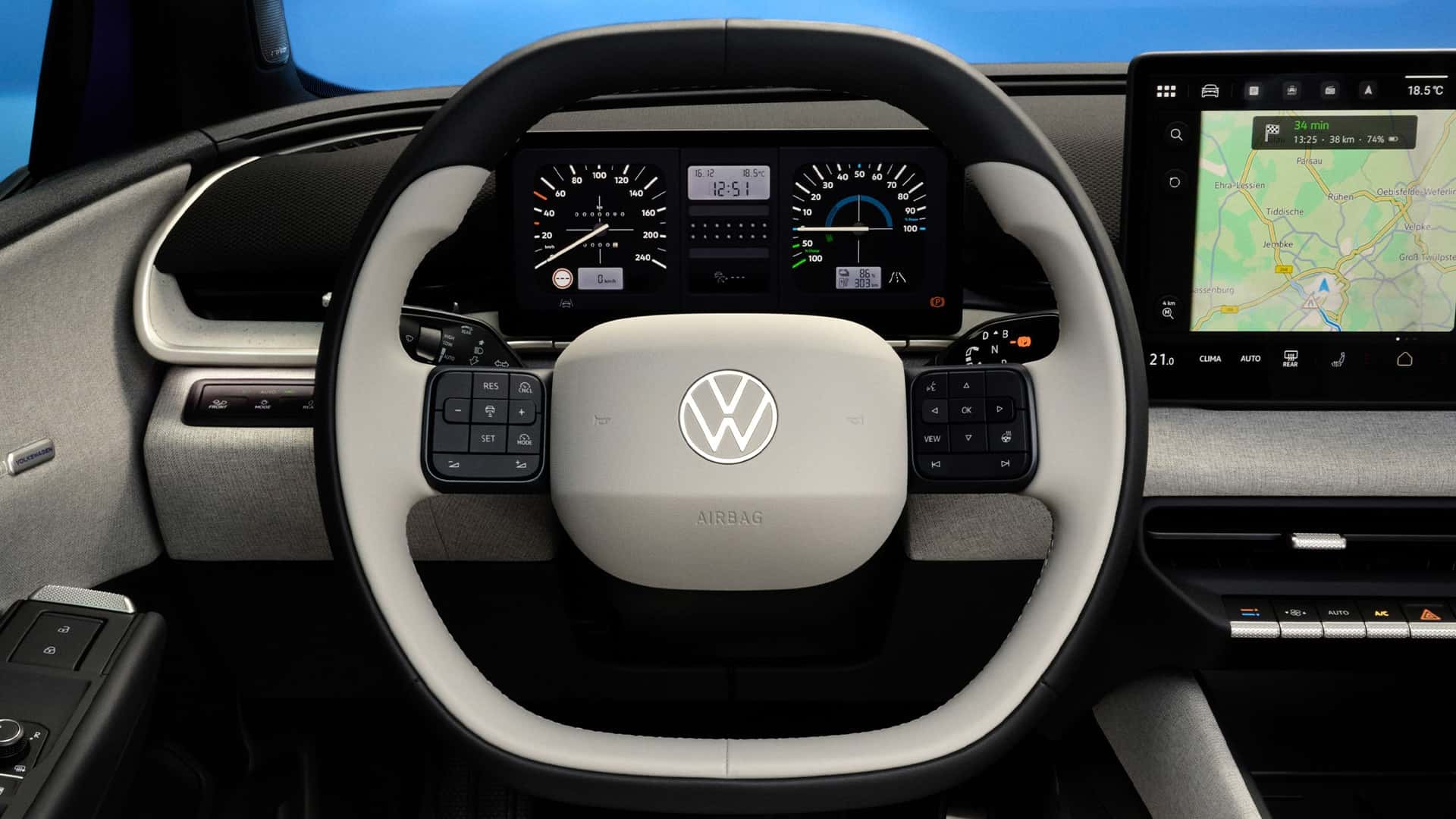
VW CEO Confirms Shift Away from Capacitive Controls
Updated April 2, 2026
3 min read
1 linked source
Volkswagen's CEO has announced that the automaker will be moving away from capacitive controls and unconventional model names. This decision reflects a commitment to more traditional physical controls in their vehicles, which the CEO deems 'non-negotiable.' The change aims to enhance user experience and accessibility for drivers.
Share this story
Why it matters
- ✓The shift to physical controls may improve usability for drivers who prefer tactile feedback over touch-sensitive interfaces.
- ✓This change could lead to a more familiar driving experience, particularly for those transitioning from traditional vehicles to EVs.
- ✓It may also influence how VW designs its future models, potentially affecting resale value and buyer interest.
Reporting notes
EV Signal briefs are written to explain the verified change first, then add the context EV buyers and owners need to understand cost, availability, charging access, eligibility, or ownership impact.
If details are still developing, we try to say what is confirmed, what comes from secondary reporting, and what readers should verify before acting.
Source mix
1 linked source
1 media
Reviewed from: InsideEVs.
VW CEO Confirms Shift Away from Capacitive Controls
Volkswagen's CEO has made a significant announcement regarding the company's approach to vehicle design, particularly concerning user interfaces. In a recent statement, he confirmed that the automaker will be phasing out capacitive controls and unique model names, emphasizing the importance of physical controls in their future vehicles.
The Move Away from Capacitive Controls
Capacitive controls, which rely on touch-sensitive surfaces, have been a hallmark of modern vehicle design, particularly in the realm of electric vehicles (EVs). However, Volkswagen's leadership believes that these controls can detract from the driving experience. The CEO stated that physical controls are a 'non-negotiable' aspect of their design philosophy moving forward. This decision indicates a shift back to more traditional interfaces that provide tactile feedback, which many drivers find more intuitive and user-friendly.
Implications for EV Buyers and Owners
This change is particularly relevant for current and prospective EV buyers and owners. Here are a few key implications:
-
Enhanced Usability: For many drivers, especially those who may be less tech-savvy, physical controls can offer a more straightforward and reliable way to operate vehicle functions. This could lead to a more enjoyable driving experience, as users won't have to rely solely on touchscreens, which can sometimes be distracting or unresponsive.
-
Familiarity and Comfort: As more consumers transition from traditional internal combustion engine vehicles to electric models, the familiarity of physical controls may ease this transition. Buyers who are accustomed to conventional vehicles may appreciate VW's commitment to maintaining a more traditional interface.
-
Impact on Future Models: The decision to prioritize physical controls may influence the overall design and functionality of future VW models. This could affect everything from the layout of the dashboard to the types of technology integrated into the vehicle, ultimately shaping the market's perception of VW's EV offerings.
Context of the Decision
Volkswagen has been undergoing significant changes in its approach to electric vehicle production, particularly in response to the growing demand for EVs and the competitive landscape of the automotive industry. The company's shift away from capacitive controls aligns with a broader trend among automakers to prioritize user experience and accessibility. By focusing on physical controls, VW aims to differentiate itself in a crowded market where many brands are adopting high-tech, touch-based interfaces.
Conclusion
Volkswagen's commitment to physical controls marks a notable shift in its design philosophy, reflecting a desire to enhance the user experience for drivers. As the company continues to innovate in the EV space, this decision could resonate well with consumers who value practicality and familiarity in their vehicles. For EV buyers and owners, this means a potential return to more intuitive and user-friendly interfaces, making the transition to electric vehicles smoother and more enjoyable.
Sources
These are the documents and reports used to build this brief so readers can verify the story directly.
- VW Boss Says Physical Controls Are A 'Non-Negotiable' — InsideEVsMEDIA
Comments
Log in with
Loading comments…
More in Models & Pricing
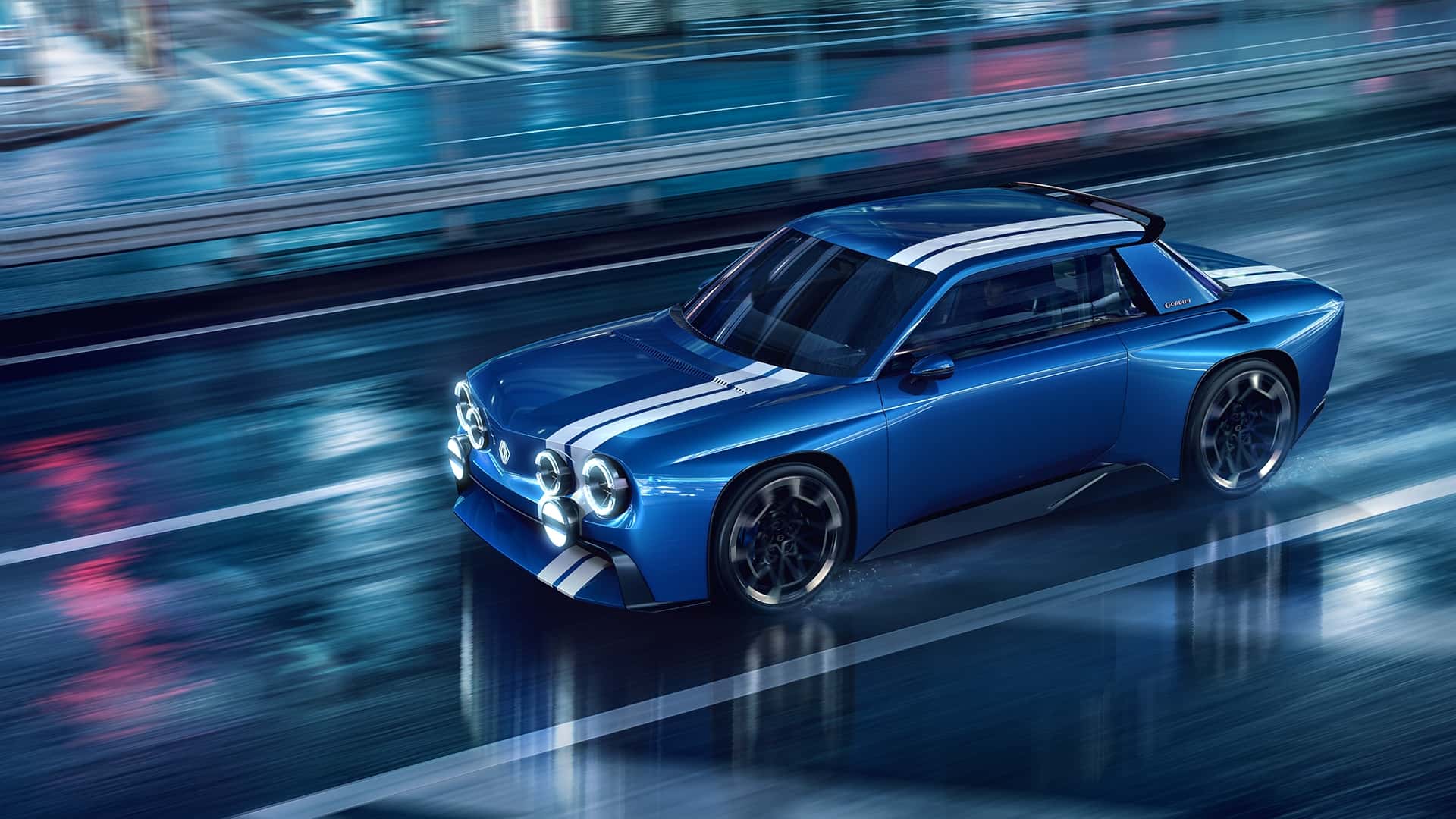
Renault 8 Gordini Returns as Rear-Wheel Drive EV
Renault has unveiled the return of the iconic Renault 8 Gordini as a rear-wheel drive electric…
Just now
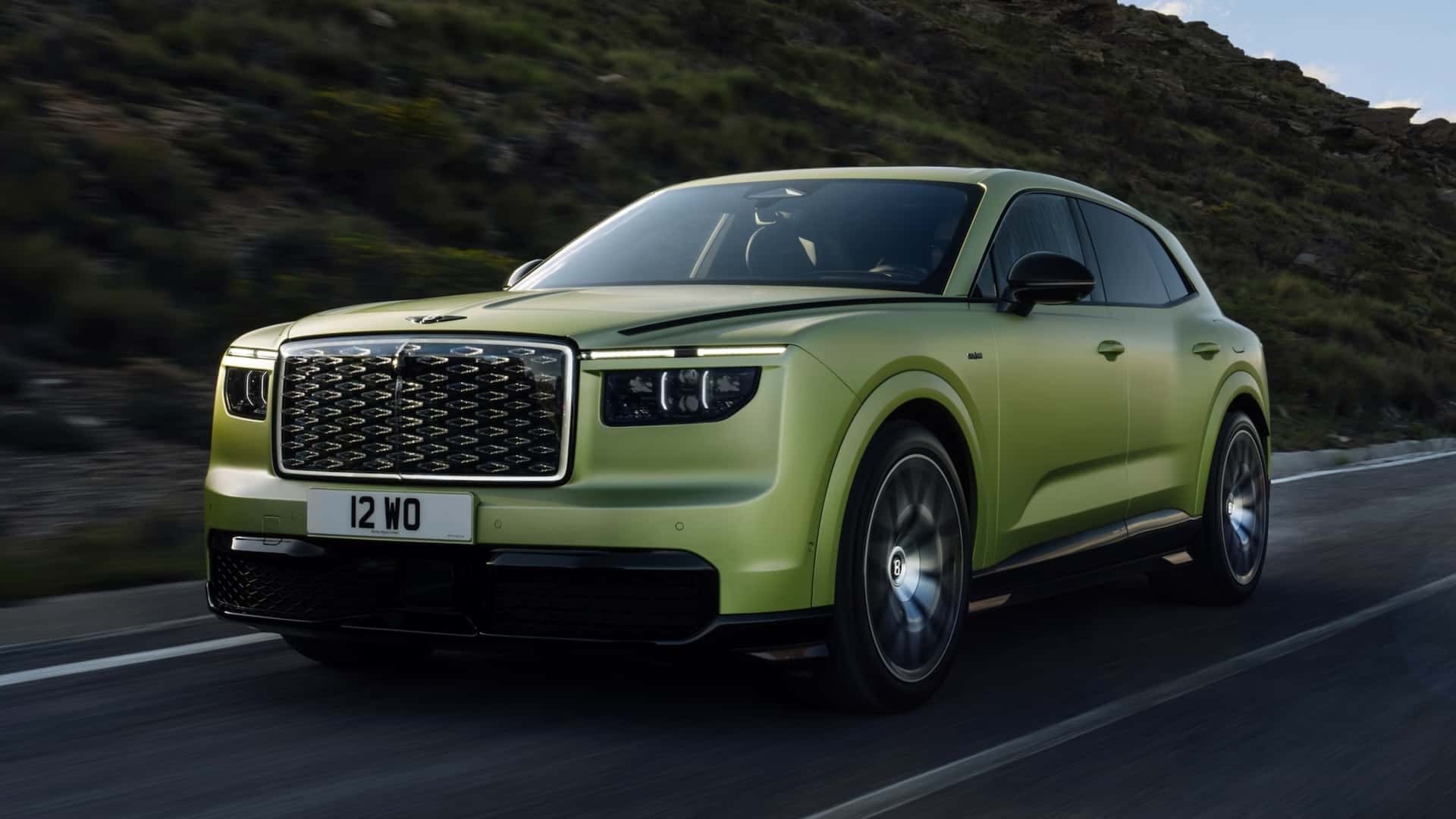
Bentley's First EV, the Torcal, Offers Rapid Charging Capabilities
Bentley has launched its first electric vehicle, the Torcal, a midsize SUV that boasts rapid…
12h ago
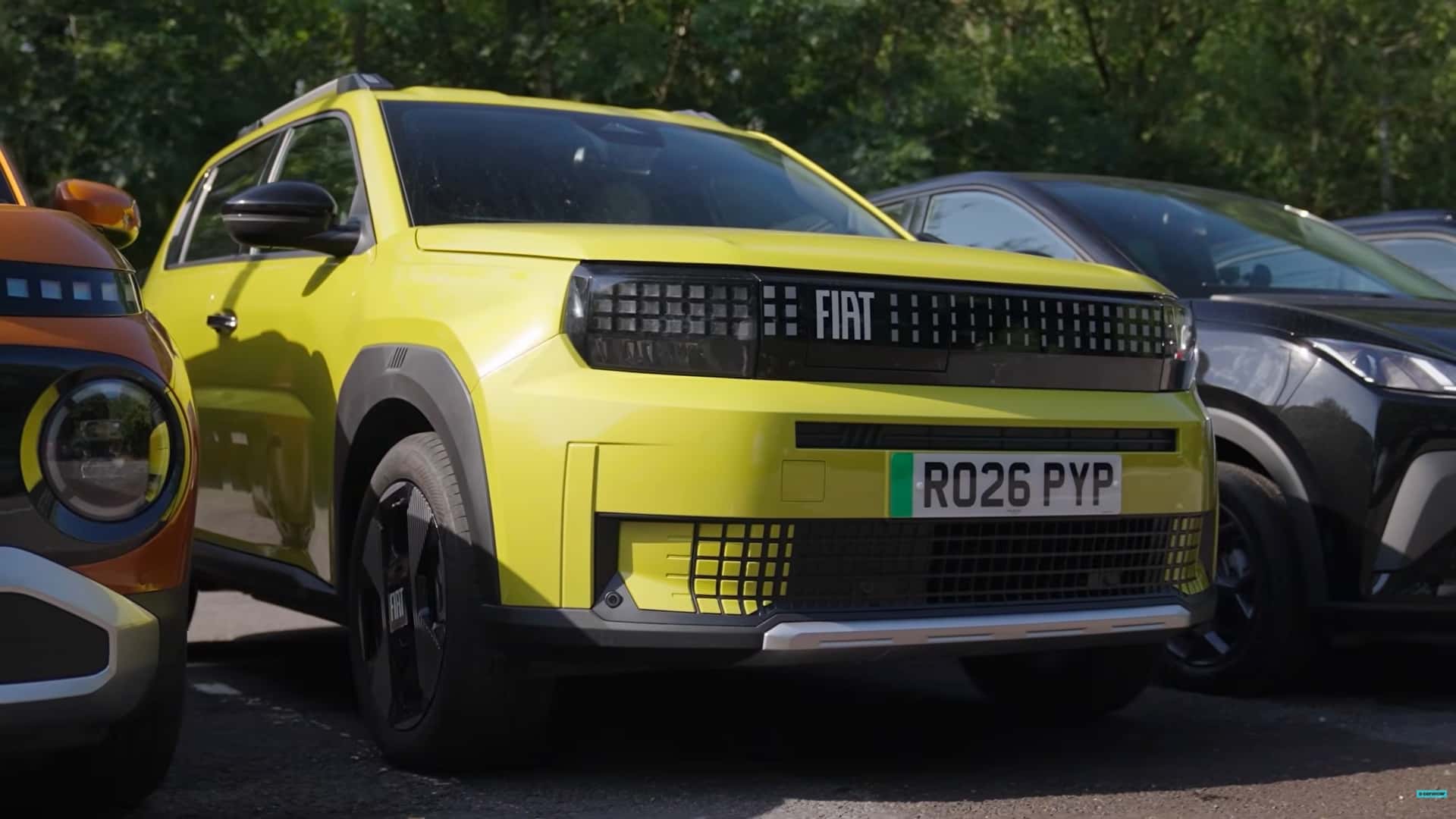
Fiat Grande Panda Outperforms Claimed Range in Real-World Test
In a recent highway range test, the Fiat Grande Panda exceeded its officially claimed range,…
12h ago
Bentley Launches Torcal, Its First All-Electric SUV
Bentley has officially unveiled the Torcal, marking its entry into the electric vehicle market.…
12h ago