
Volvo CE and Hitachi Energy Partner for Zero Emission Job Sites
Updated June 9, 2026
3 min read
1 linked source
Volvo Construction Equipment (CE) and Hitachi Energy have signed a Memorandum of Understanding (MOU) to promote the use of battery electric construction equipment powered by renewable energy. This partnership aims to enhance the deployment of clean energy solutions in construction sites, benefiting companies looking to reduce their carbon footprint. The specifics of the implementation timeline and technology details remain to be clarified.
Share this story
Why it matters
- ✓This partnership could lead to more accessible zero-emission construction equipment, potentially lowering operational costs for construction firms.
- ✓As the industry moves towards electrification, buyers may have more options for sustainable equipment, impacting purchasing decisions.
- ✓The focus on renewable energy sources may improve charging infrastructure at job sites, enhancing day-to-day operational efficiency.
Reporting notes
EV Signal briefs are written to explain the verified change first, then add the context EV buyers and owners need to understand cost, availability, charging access, eligibility, or ownership impact.
If details are still developing, we try to say what is confirmed, what comes from secondary reporting, and what readers should verify before acting.
Source mix
1 linked source
1 media
Reviewed from: Electrek.
Volvo CE and Hitachi Energy Partner for Zero Emission Job Sites
Volvo Construction Equipment (CE) and Hitachi Energy have announced a significant partnership aimed at advancing the use of battery electric construction equipment powered by renewable energy. This collaboration, formalized through a Memorandum of Understanding (MOU), seeks to accelerate the deployment of clean energy solutions within the construction industry.
What Changed
The MOU between Volvo CE and Hitachi Energy marks a strategic move towards integrating sustainable practices in construction operations. By focusing on battery electric equipment, the partnership aims to provide construction sites with a reliable energy supply that is both clean and renewable. The initiative is expected to leverage intelligent energy storage and management systems, although specific details regarding the technologies and implementation timelines have yet to be disclosed.
Why It Matters for Buyers and Owners
This partnership is significant for several reasons:
- Cost Efficiency: The introduction of battery electric construction equipment could lead to reduced operational costs for construction companies, as electric machinery typically has lower maintenance and fuel costs compared to traditional diesel-powered equipment.
- Sustainability Options: As the construction industry increasingly prioritizes sustainability, buyers will have more options for zero-emission equipment, influencing purchasing decisions and potentially driving down prices through competition.
- Improved Infrastructure: The focus on renewable energy may lead to enhanced charging infrastructure at job sites, making it easier for operators to utilize electric equipment without significant downtime.
Key Details from Source Material
According to Electrek, the partnership aims to support the deployment of battery electric construction equipment, which is a crucial step towards achieving zero-emission job sites. The collaboration emphasizes the importance of a clean energy supply, which will be supported by intelligent energy storage and management systems. However, the article does not provide specific timelines or detailed plans for how these technologies will be implemented in the field.
What to Watch Next
As this partnership develops, it will be important to monitor announcements from both Volvo CE and Hitachi Energy regarding the specifics of their collaboration. Key areas to watch include:
- Updates on the technologies that will be deployed and their expected impact on construction operations.
- Timelines for the rollout of battery electric equipment and charging infrastructure at job sites.
- Any potential pilot projects or case studies that may emerge from this partnership, showcasing real-world applications of the technology.
In conclusion, the partnership between Volvo CE and Hitachi Energy represents a promising step towards sustainable construction practices. While many details remain to be confirmed, the implications for buyers and owners in the construction industry could be significant, paving the way for a greener future.
Sources
These are the documents and reports used to build this brief so readers can verify the story directly.
Comments
Log in with
Loading comments…
More in Ownership
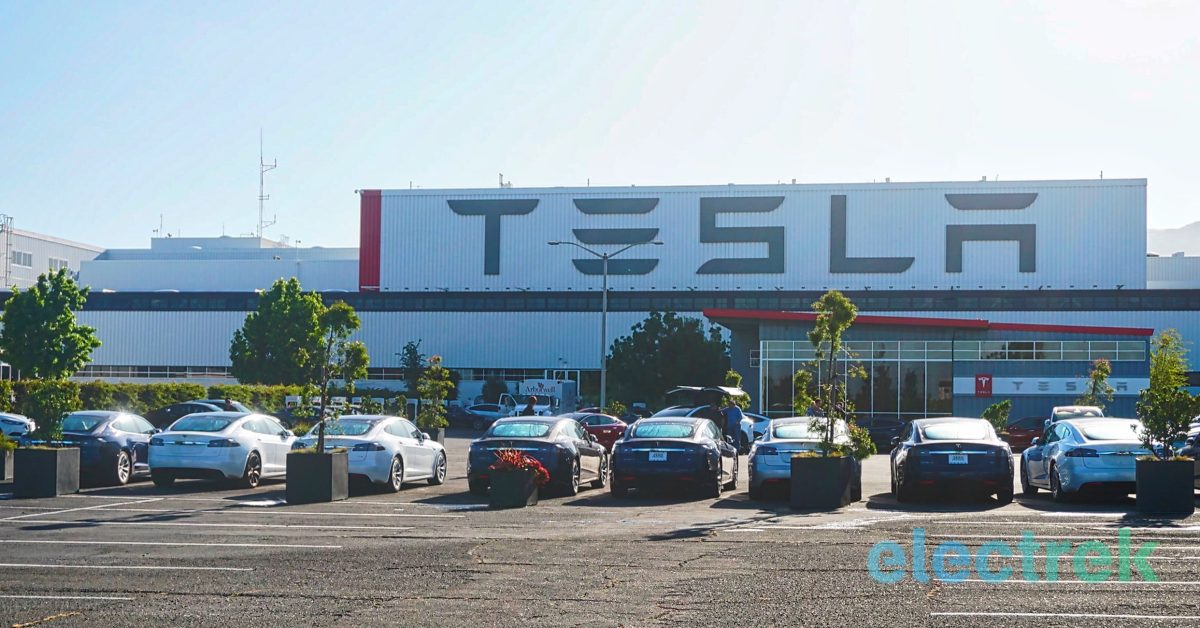
Tesla's Lawyers Misled Witness in Racism Trial
Tesla's ongoing racism trial in California has faced significant setbacks as it was revealed that a…
18h ago
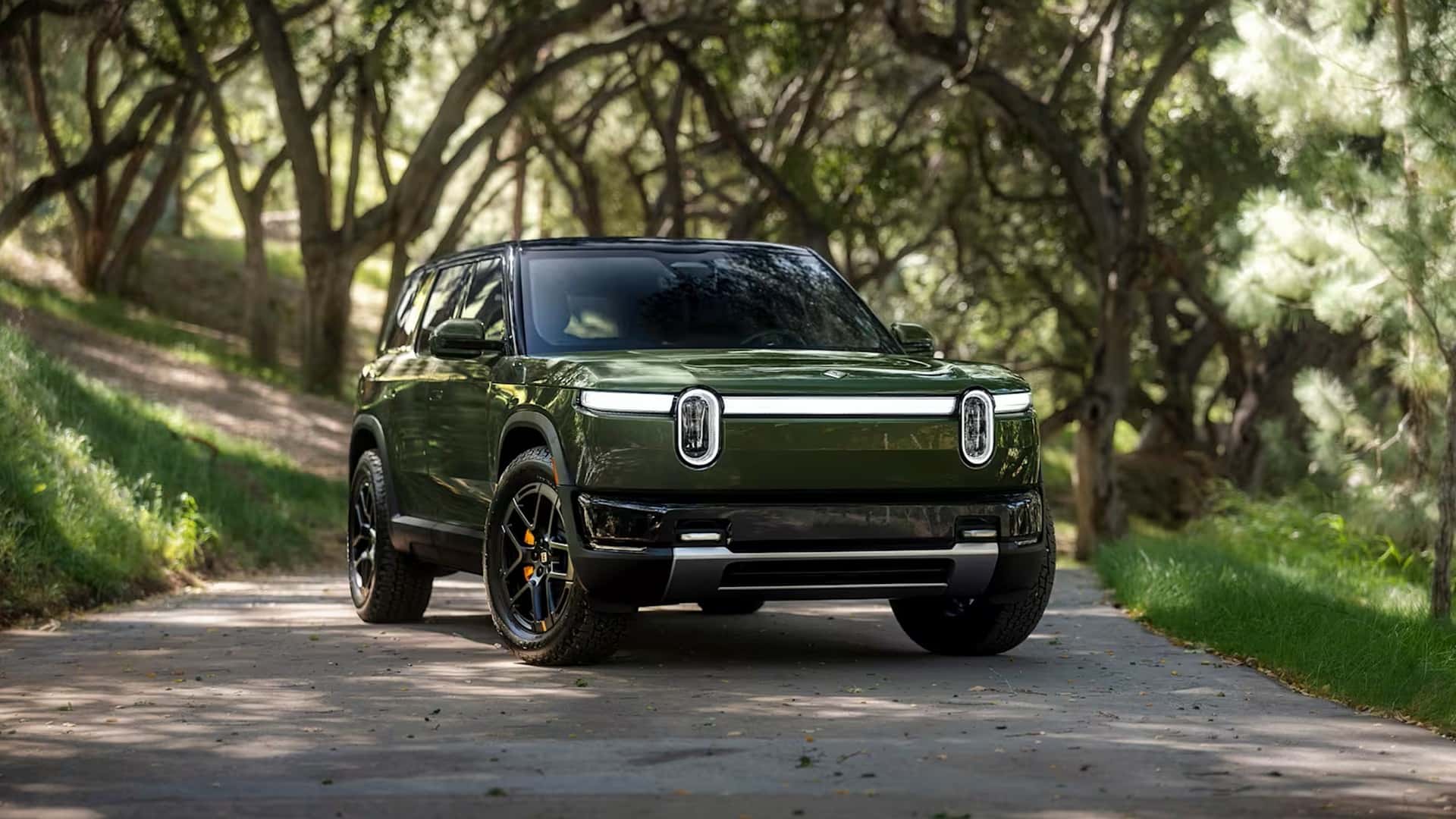
Rivian R2 Faces First Recall Due to Camera Issue
Rivian has issued a recall affecting nearly 99,000 vehicles, including some of its new R2 models,…
18h ago
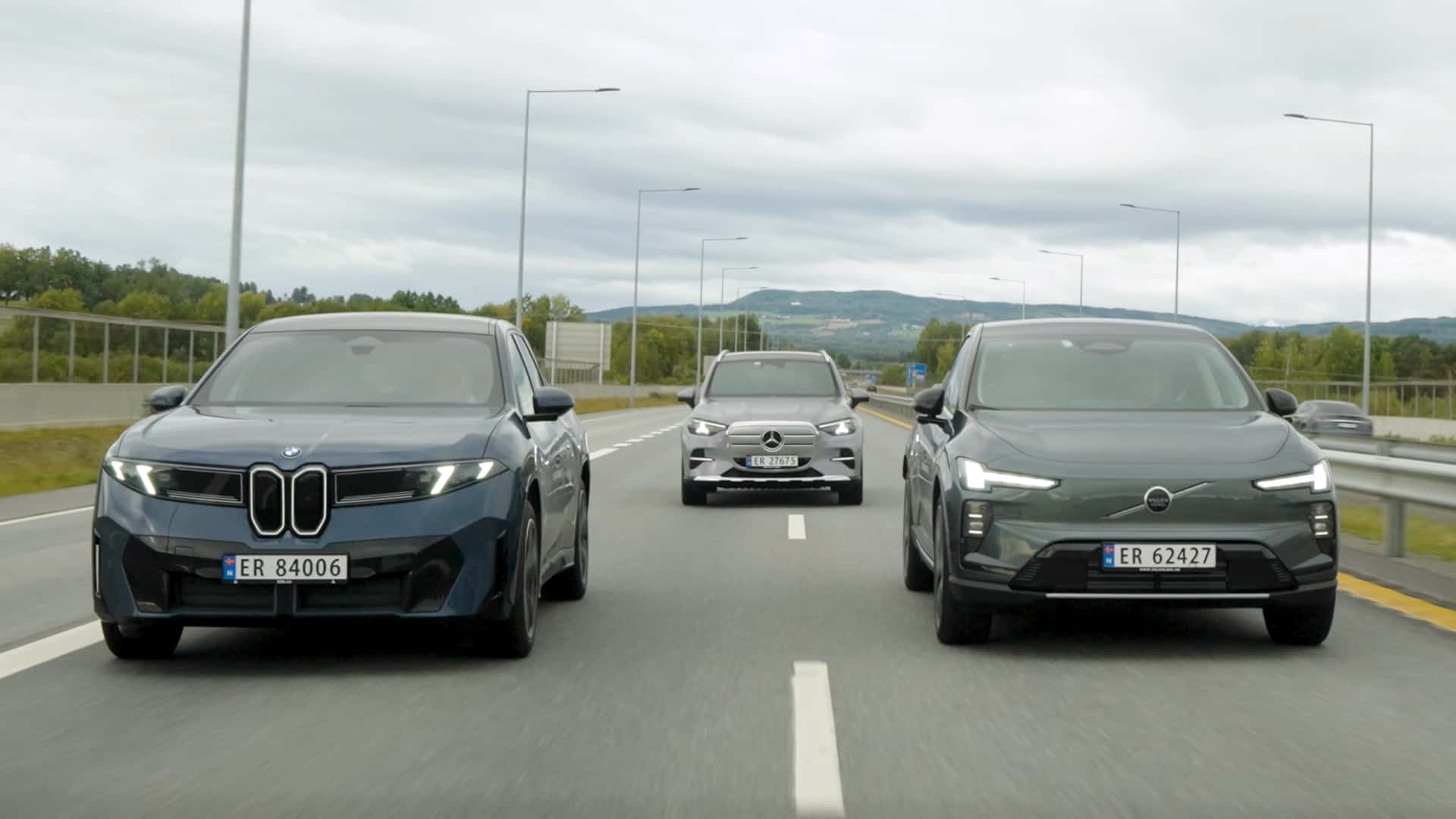
BMW iX3 Outperforms Mercedes GLC and Volvo EX60 in Highway Efficiency Test
In a recent highway test, the BMW iX3 demonstrated superior energy efficiency and range compared to…
1d ago
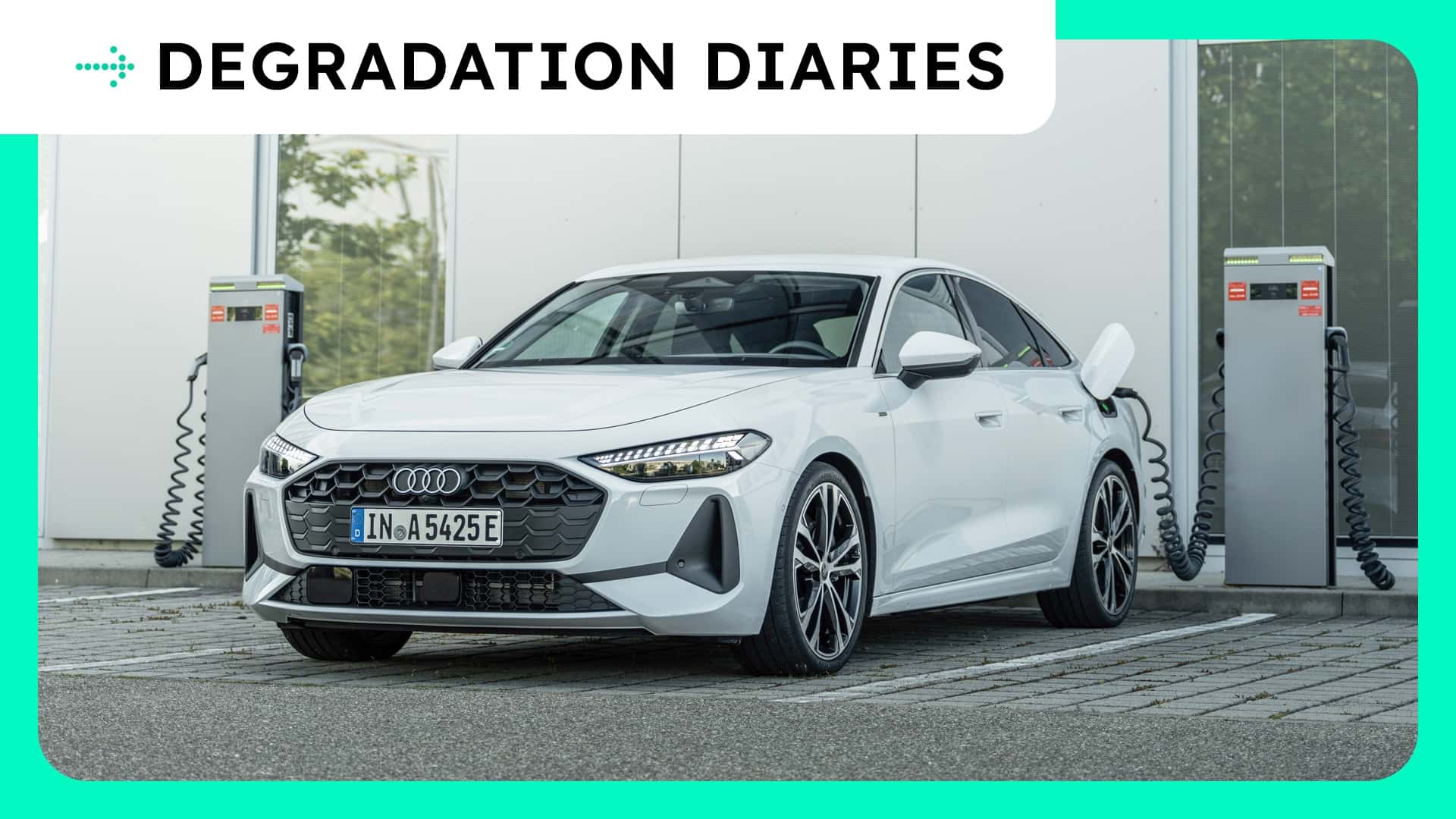
PHEV Batteries Show Resilience Despite Frequent Cycling
Plug-in hybrid electric vehicles (PHEVs) experience more frequent battery cycling than fully…
1d ago