Volvo Allowed to Sell Cars in U.S., Polestar Denied
The U.S. government has allowed Volvo to continue selling cars despite its majority Chinese ownership, while Polestar's request for authorization was denied. New legislation may impact Mercedes-Benz, which has nearly 20% Chinese ownership, but lawmakers are considering exceptions that could spare it from restrictions.

Key takeaways
30-second read- 1Volvo's approval means continued availability of its models in the U.S., benefiting current and potential buyers.
- 2Polestar's denial may limit its market presence and options for consumers looking for its vehicles.
- 3Mercedes-Benz's uncertain future could affect buyers' confidence in the brand and its product availability in the U.S. market.
Confirmed
No official source linked yet
Reported
Secondary reporting: InsideEVs
Verify yourself
Eligibility, local prices and dates for your car, state or utility
The U.S. government has granted Volvo permission to continue selling its vehicles in the country, despite the company's significant Chinese ownership through Geely, which holds approximately 79% of the automaker. This decision comes as Congress is considering new legislation that would impose stricter regulations on automakers with more than 15% Chinese ownership, which could have significant implications for other manufacturers, particularly Polestar and Mercedes-Benz.
What changed
Volvo's authorization to sell cars in the U.S. was confirmed under a Commerce Department rule finalized in 2025, aimed at regulating connectivity and self-driving technology. This legislation is part of broader efforts to mitigate potential risks associated with foreign adversaries accessing sensitive data through connected vehicles. In contrast, Polestar, which is also controlled by Geely, applied for similar authorization but was denied, leaving its future sales in the U.S. uncertain.
Why it matters for buyers and owners
The differing outcomes for Volvo and Polestar highlight the complexities of international ownership in the automotive industry. For consumers, this means:
- Availability of Models: Volvo's continued sales ensure that buyers can access its models, such as the EX90, without interruption.
- Market Impact on Polestar: Polestar's denial could limit its market presence, potentially reducing options for consumers interested in its electric vehicles.
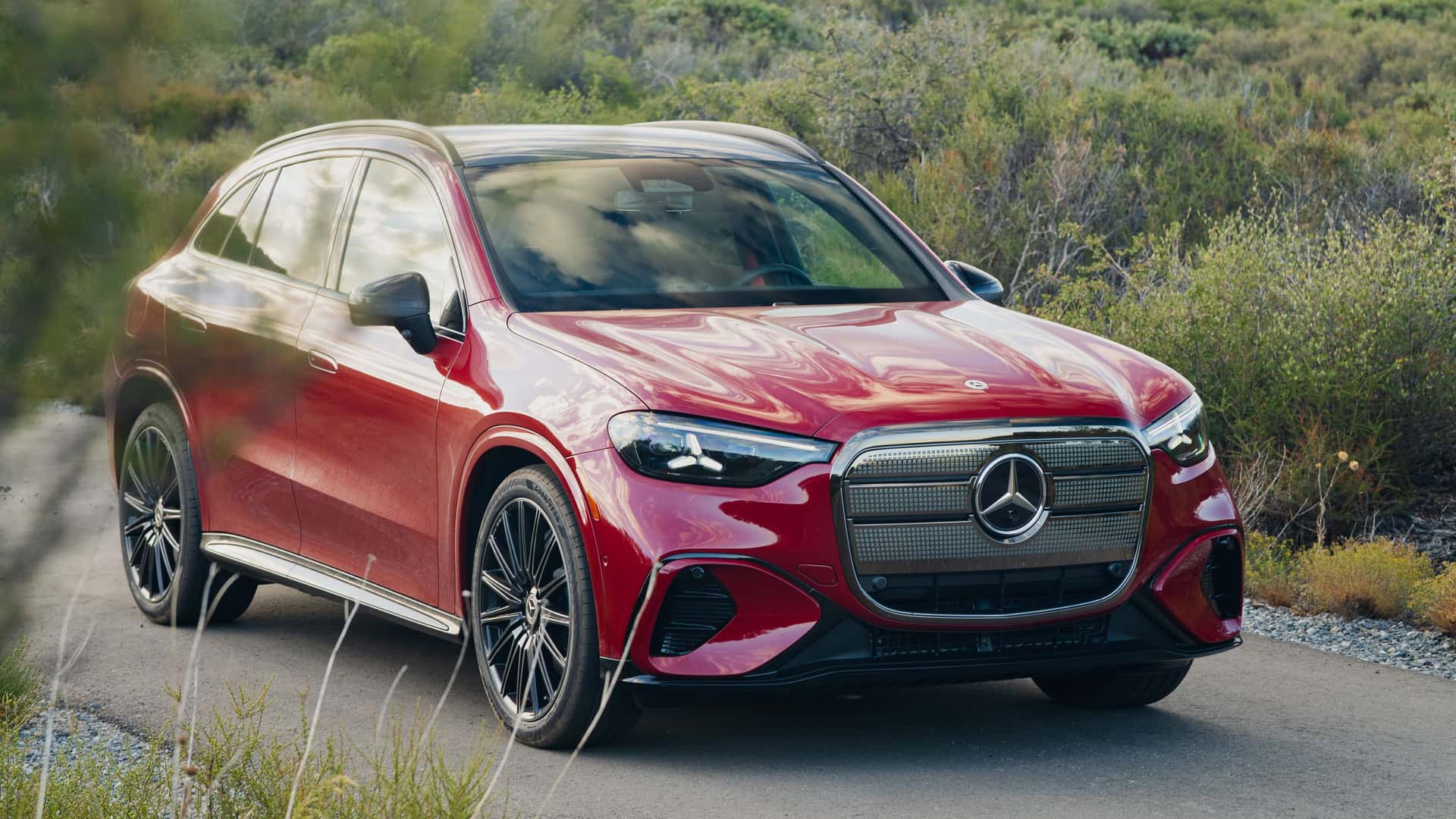
- Uncertain Future for Mercedes: With nearly 20% of Mercedes-Benz owned by Chinese investors, the proposed legislation could impact its operations in the U.S., affecting consumer confidence and availability of models like the EQS SUV.
Key details
The proposed Connected Vehicle Security Act aims to ban sales from automakers with significant Chinese ownership, which could affect companies like Mercedes-Benz, where Chinese investors own about 20% of the company. While lawmakers are considering exceptions for passive investments without voting rights, the final terms of the legislation are still being negotiated. Mercedes-Benz has expressed its commitment to complying with any new regulations, emphasizing the importance of the U.S. market to its business.
What to watch next
As Congress works towards finalizing the legislation, the automotive industry will be closely monitoring the developments. Key points to watch include:
- Legislative Outcomes: The final version of the Connected Vehicle Security Act and any potential exceptions for companies like Mercedes.
- Impact on Sales: How these decisions will affect the sales strategies and market presence of Volvo, Polestar, and Mercedes in the U.S.
- Consumer Reactions: How buyers respond to the changing landscape of available EV options and the implications of ownership structures on their purchasing decisions.
Sources
1 media- [1]The U.S. Let Volvo Keep Selling Cars. Polestar Got A No. What About Mercedes?Media
InsideEVs · insideevs.com · published Nov 22
Newsletter
Weekly EV signal. No spam.
Comments
Log in with
Loading comments…