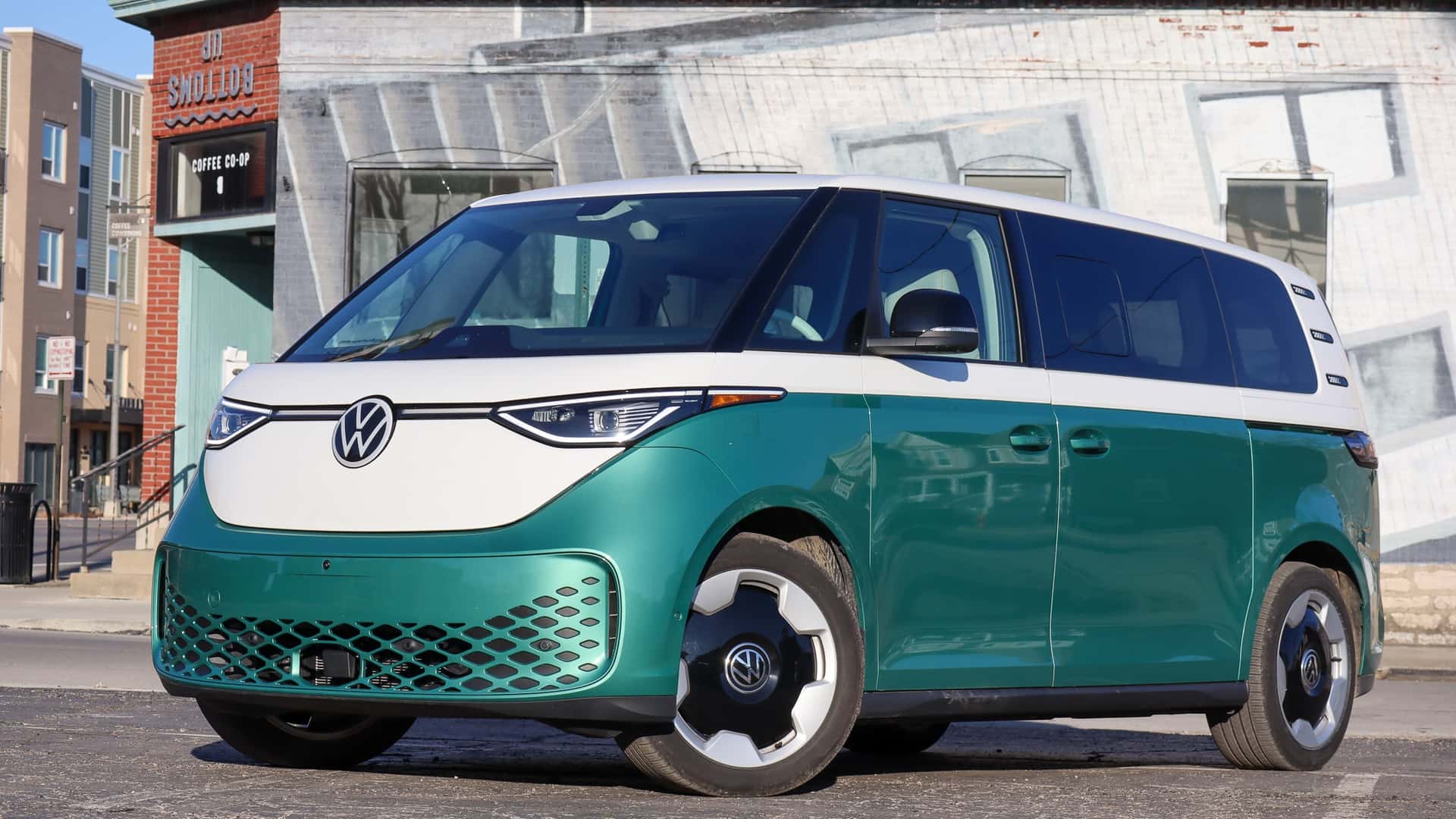
Volkswagen Delays ID. Buzz's U.S. Return to Model Year 2028
Updated September 24, 2026
3 min read
1 linked source
Volkswagen has announced another delay for the ID. Buzz electric van, pushing its return to the U.S. market to the 2028 model year. This change affects potential buyers who were anticipating the vehicle's earlier release. The delay raises questions about the availability of electric vans in the U.S. market.
Share this story
Why it matters
- ✓Potential buyers will need to wait longer for the ID. Buzz, impacting their options for electric vans.
- ✓The delay may affect pricing and availability of competing electric vans in the interim.
- ✓This could influence consumer interest in other electric vehicle options as the market evolves.
Reporting notes
EV Signal briefs are written to explain the verified change first, then add the context EV buyers and owners need to understand cost, availability, charging access, eligibility, or ownership impact.
If details are still developing, we try to say what is confirmed, what comes from secondary reporting, and what readers should verify before acting.
Source mix
1 linked source
1 media
Reviewed from: InsideEVs.
Volkswagen Delays ID. Buzz's U.S. Return
Volkswagen has officially delayed the return of its ID. Buzz electric van to the U.S. market, now scheduled for the 2028 model year. This announcement marks another setback for the highly anticipated vehicle, which has been awaited by consumers eager for more electric van options in the U.S.
What Changed
The ID. Buzz was initially expected to make its U.S. debut earlier, but Volkswagen has confirmed that it will now be available as a 2028 model. This delay means that consumers who were hoping to purchase the ID. Buzz in the near future will have to wait an additional year, pushing the timeline for its release back once again.
Why It Matters for Buyers/Owners
The delay of the ID. Buzz has several implications for potential buyers and the broader electric vehicle market:
- Limited Options: Consumers looking for electric vans will have fewer choices in the immediate future, as the ID. Buzz was anticipated to fill a niche in the market.
- Market Dynamics: The delay may shift consumer interest toward other electric vans or vehicles, potentially affecting sales for competing brands.
- Pricing Uncertainty: With the ID. Buzz's return pushed to 2028, pricing strategies and incentives may change, impacting how consumers plan their purchases.
Key Details from Source Material
According to InsideEVs, Volkswagen's decision to delay the ID. Buzz's return is significant as it reflects ongoing challenges in the automotive industry, particularly for electric vehicle production. The ID. Buzz is part of Volkswagen's broader strategy to expand its electric vehicle lineup, but this delay raises questions about the company's ability to meet consumer demand in a timely manner.
What to Watch Next
As the situation develops, consumers should keep an eye on any further announcements from Volkswagen regarding the ID. Buzz and its specifications. Additionally, monitoring the competitive landscape for electric vans will be crucial, as other manufacturers may seize the opportunity to capture market share in the absence of the ID. Buzz. The automotive industry continues to evolve rapidly, and updates regarding production timelines, pricing, and features will be essential for potential buyers considering their options in the electric vehicle market.
Sources
These are the documents and reports used to build this brief so readers can verify the story directly.
- Volkswagen Delays The ID. Buzz's Return To The U.S. Again — InsideEVsMEDIA
Comments
Log in with
Loading comments…
More in Models & Pricing
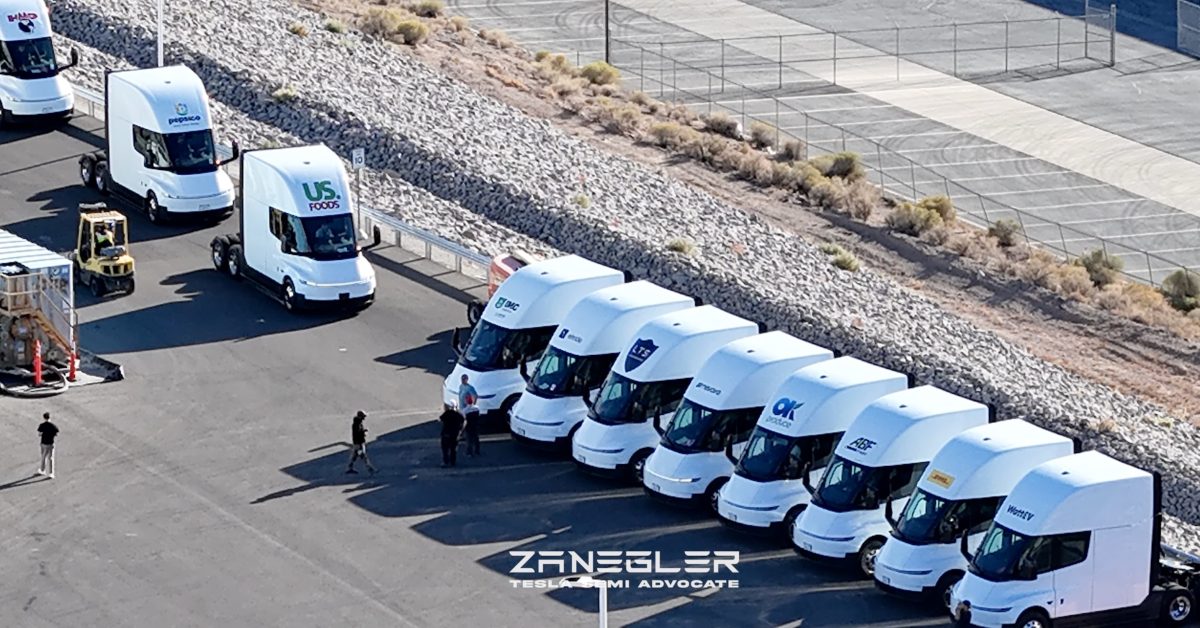
Tesla Semi Launch Event to Showcase Fleet Customers
Tesla is set to unveil its Semi electric trucks at a launch event, featuring at least 11 vehicles…
2h ago

Kia Patent Unveils Off-Road Electric SUV Design
Kia has revealed patent images that suggest the production version of its off-road electric SUV,…
2h ago
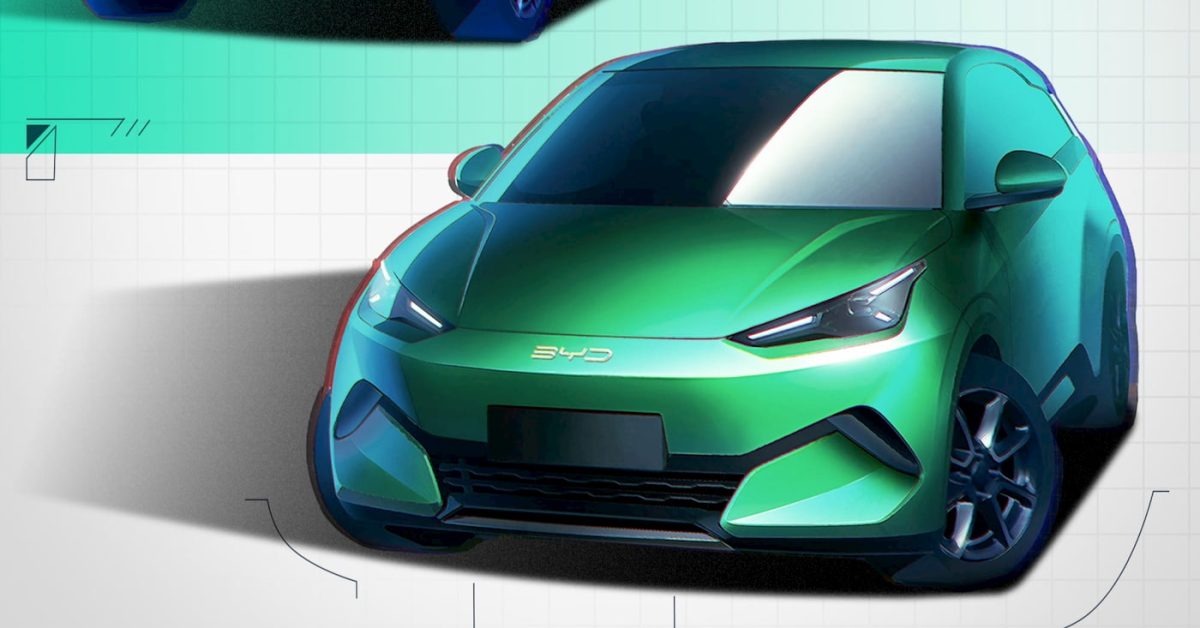
BYD Unveils Official Images of the New Seagull EV
BYD has released the first official images of its second-generation Seagull EV, showcasing a larger…
2h ago
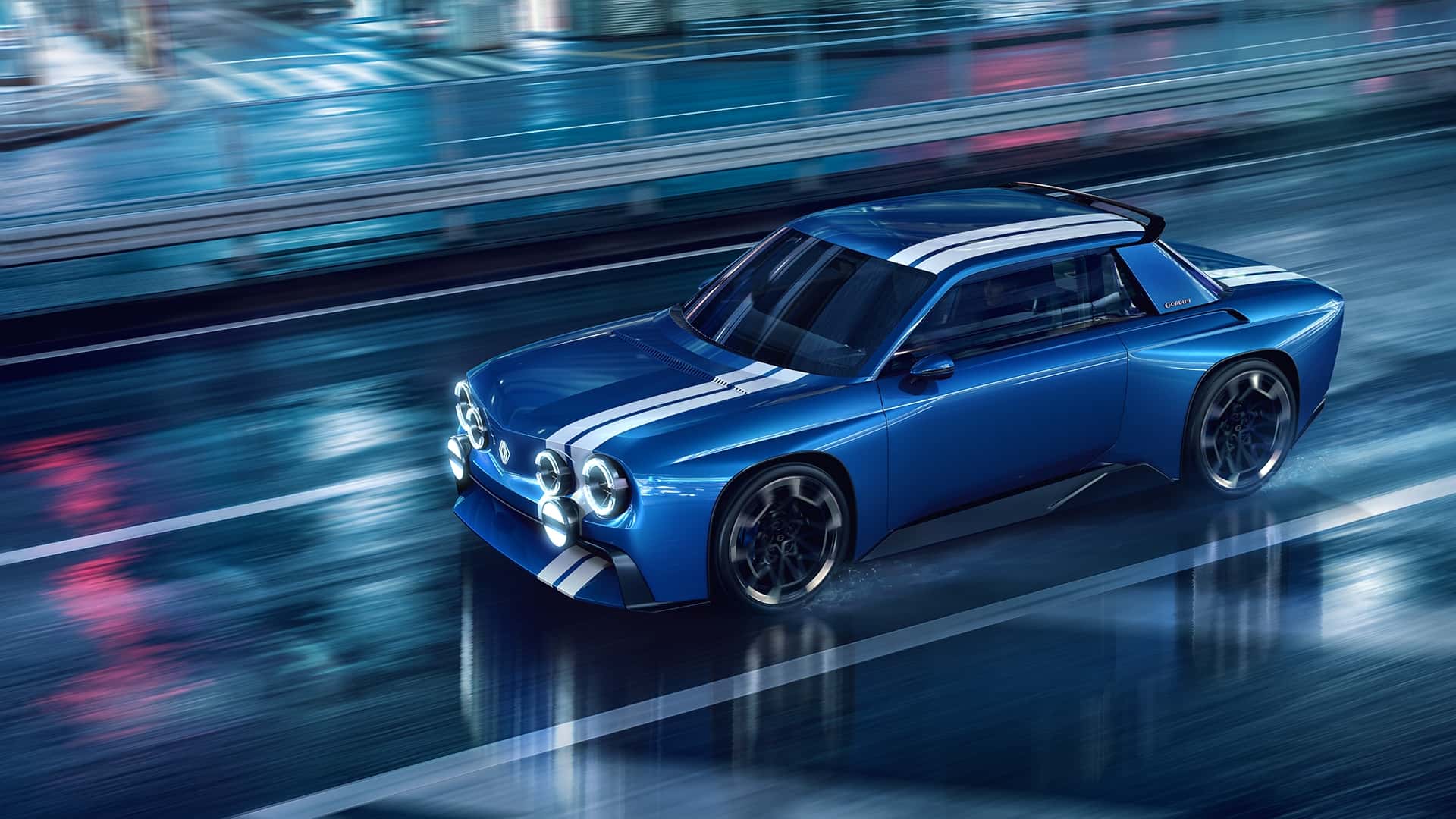
Renault 8 Gordini Returns as Rear-Wheel Drive EV
Renault has unveiled the return of the iconic Renault 8 Gordini as a rear-wheel drive electric…
8h ago