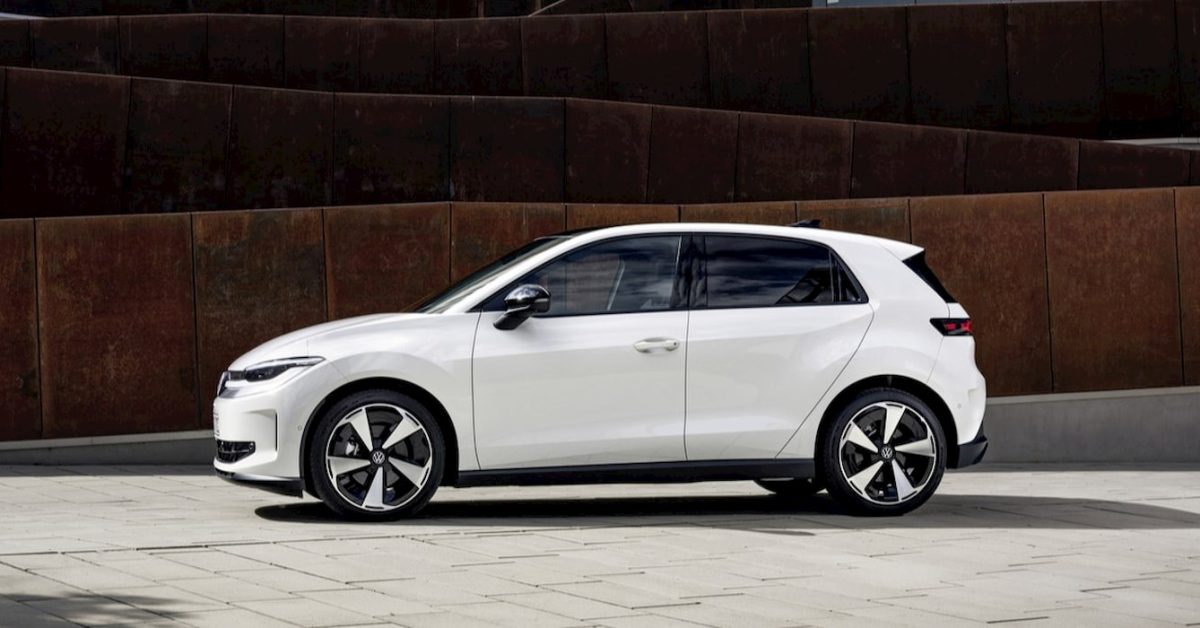
Volkswagen Cuts Internal Combustion Engine Shifts Due to EV Popularity
Updated September 22, 2026
3 min read
1 linked source
Volkswagen has announced a reduction in shifts for its internal combustion engine (ICE) production as demand for its new entry-level electric vehicles (EVs) surpasses that for traditional ICE models. This shift affects workers in ICE production facilities, indicating a significant change in the company's manufacturing focus. The full implications for production schedules and workforce adjustments are still being assessed.
Share this story
Why it matters
- ✓Increased production of entry-level EVs could lead to more affordable options for buyers.
- ✓As Volkswagen shifts focus to EVs, the availability of ICE vehicles may decrease, impacting current owners and potential buyers.
- ✓This change could accelerate the transition to electric mobility, enhancing charging infrastructure and support for EV owners.
Reporting notes
EV Signal briefs are written to explain the verified change first, then add the context EV buyers and owners need to understand cost, availability, charging access, eligibility, or ownership impact.
If details are still developing, we try to say what is confirmed, what comes from secondary reporting, and what readers should verify before acting.
Source mix
1 linked source
1 media
Reviewed from: Electrek.
Volkswagen's Shift to Electric Vehicles
Volkswagen has made a significant change in its production strategy by cutting shifts for its internal combustion engine (ICE) vehicles. This decision comes as the company's new family of entry-level electric cars has gained remarkable popularity, outpacing the demand for traditional ICE models. As a result, Volkswagen is reallocating resources to focus more on electric vehicle production.
What Changed
The primary change is the reduction in shifts for ICE vehicle production at Volkswagen's facilities. This shift indicates a strategic pivot towards electric vehicles, reflecting a broader trend in the automotive industry where consumer preference is increasingly leaning towards EVs. The company’s new entry-level EVs are not only attracting attention but are also selling well enough to necessitate a decrease in ICE production.
Why It Matters for Buyers and Owners
This shift in production strategy has several implications for both current and prospective EV buyers:
- Increased Availability of Affordable EVs: With Volkswagen focusing on entry-level electric cars, buyers may soon see more affordable EV options entering the market. This could help make electric vehicles more accessible to a broader audience.
- Decreased ICE Vehicle Availability: As Volkswagen reduces its ICE production, potential buyers of traditional vehicles may find fewer options available. This could lead to a more rapid transition to electric mobility as consumers adapt to the changing market.
- Impact on Charging Infrastructure: With an increased emphasis on EVs, Volkswagen's shift may also encourage further investment in charging infrastructure, benefiting current EV owners and enhancing the overall ownership experience.
Key Details from Source Material
According to Electrek, Volkswagen's decision to cut ICE shifts is a direct response to the popularity of its new electric vehicle lineup. The company has recognized a significant market shift, where consumers are increasingly opting for electric options over traditional gasoline-powered vehicles. While the exact details regarding how many shifts will be cut and the timeline for these changes are still being finalized, the move signals a clear commitment to electric mobility.
What to Watch Next
As Volkswagen continues to navigate this transition, it will be important to monitor:
- Production Schedules: Updates on how the reduction in ICE shifts will affect overall production timelines for both ICE and EV models.
- Market Response: How consumers react to the availability of new entry-level EVs and whether this trend continues to grow.
- Workforce Adjustments: Any announcements regarding workforce changes or retraining programs for employees affected by the shift in production focus.
In conclusion, Volkswagen's decision to cut ICE shifts marks a significant step towards embracing electric mobility. As the company reallocates its resources to meet the growing demand for EVs, both buyers and owners should stay informed about the implications of this transition.
Sources
These are the documents and reports used to build this brief so readers can verify the story directly.
Comments
Log in with
Loading comments…
More in Models & Pricing
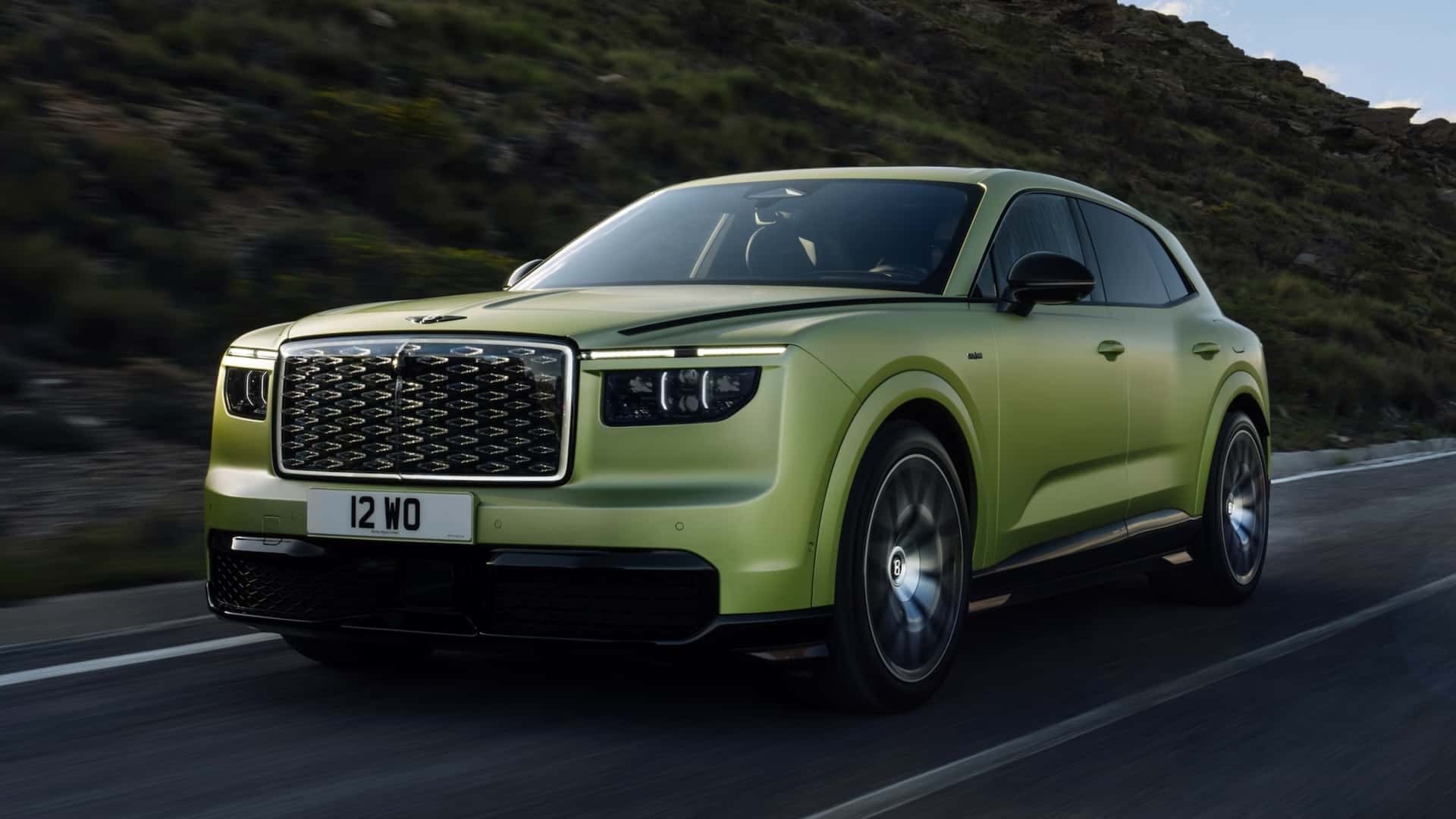
Bentley's First EV, the Torcal, Offers Rapid Charging Capabilities
Bentley has launched its first electric vehicle, the Torcal, a midsize SUV that boasts rapid…
11h ago
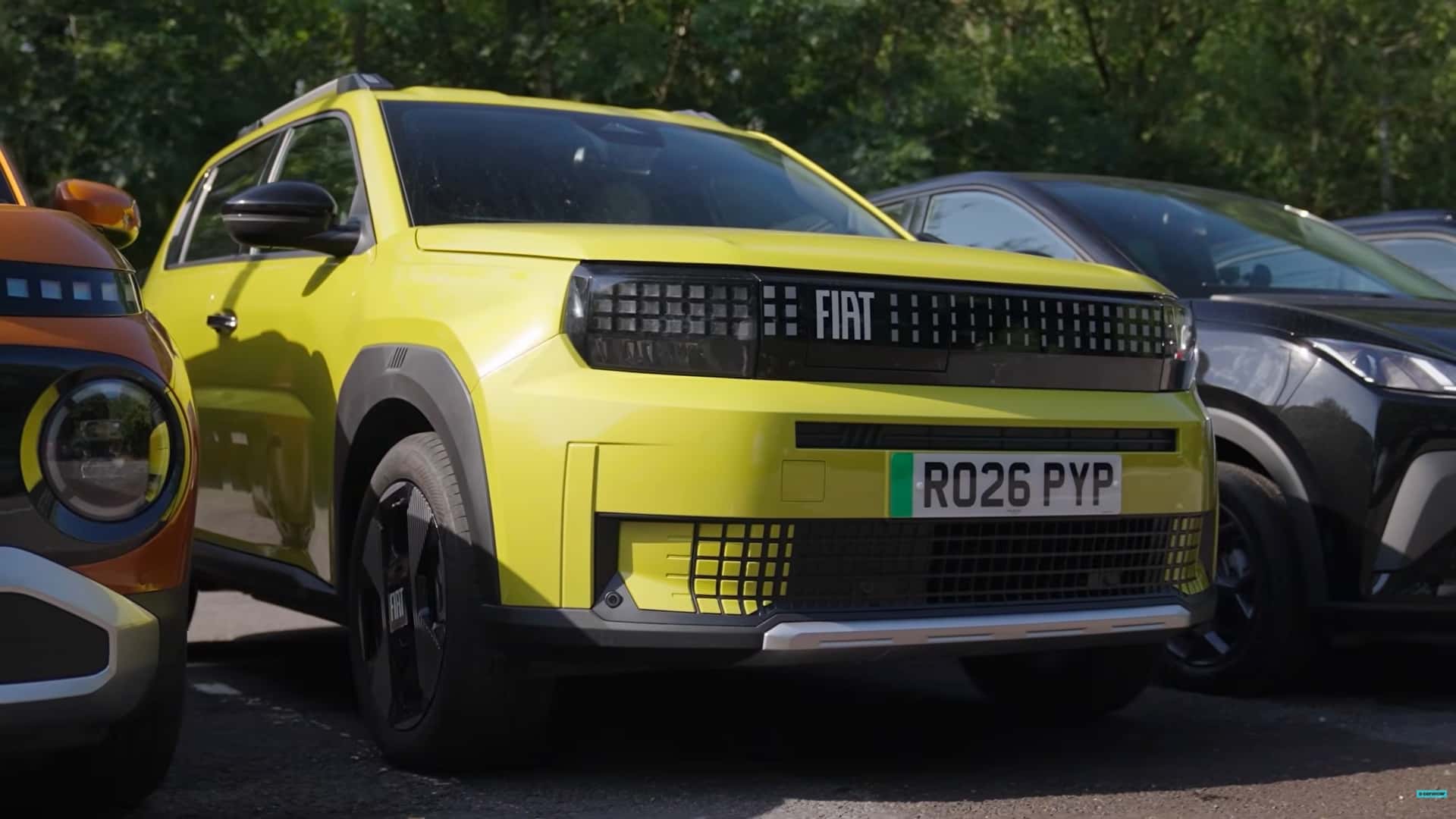
Fiat Grande Panda Outperforms Claimed Range in Real-World Test
In a recent highway range test, the Fiat Grande Panda exceeded its officially claimed range,…
11h ago
Bentley Launches Torcal, Its First All-Electric SUV
Bentley has officially unveiled the Torcal, marking its entry into the electric vehicle market.…
11h ago
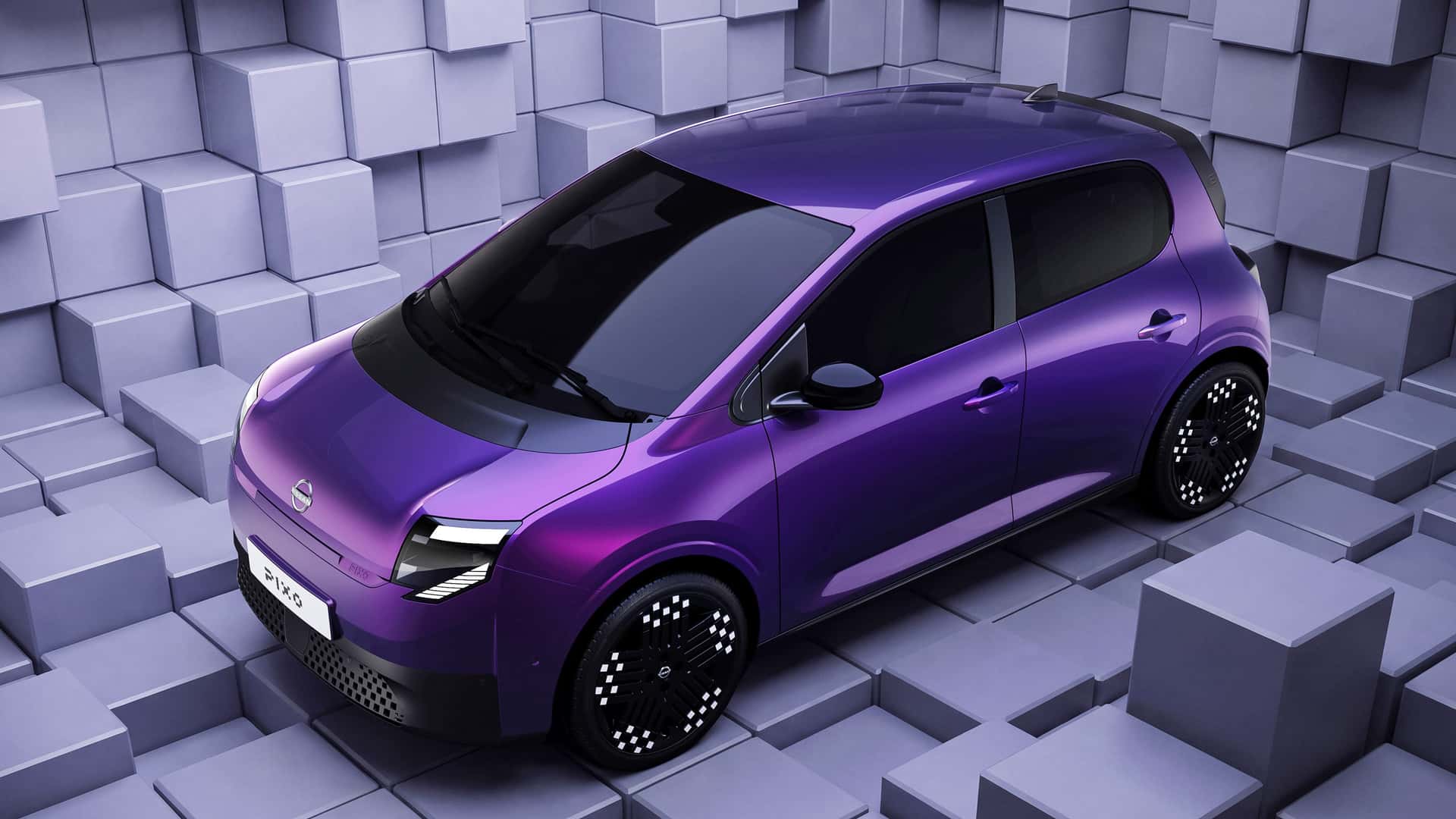
Nissan's Newest EV is a Renault, Not a Nissan
Nissan has unveiled its latest electric vehicle (EV), the Pixo, which is actually a rebadged…
11h ago