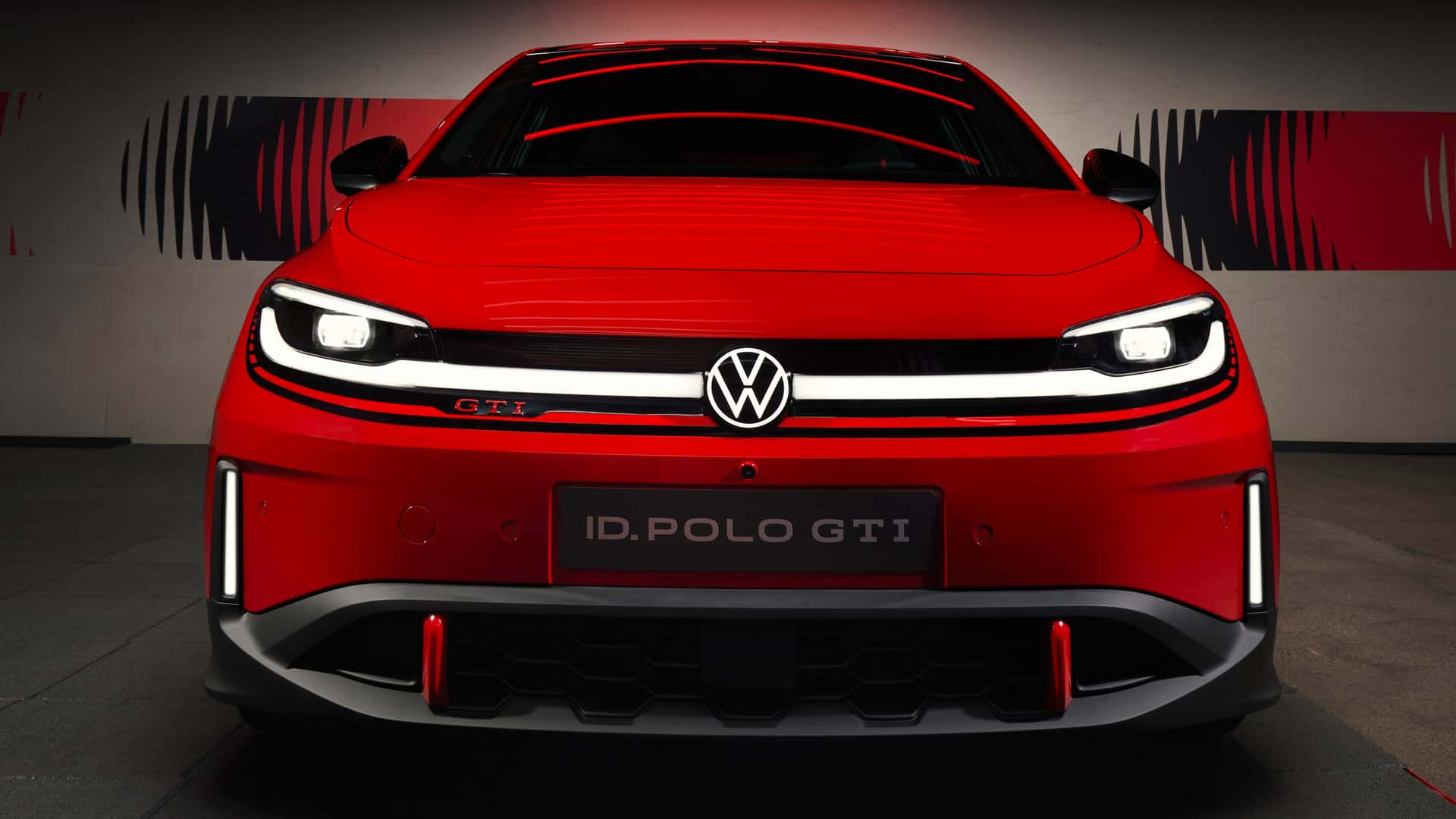
Volkswagen Compares Gas Cars to Horses, Advocates for EV Adoption
Updated June 8, 2026
3 min read
1 linked source
Volkswagen has drawn a parallel between gas cars and horses, suggesting that just as society moved away from horses for transportation, it will similarly transition to electric vehicles (EVs). This statement reflects VW's confidence in the future dominance of EVs over traditional gas-powered vehicles. The comparison emphasizes the inevitability of this shift, although it does not address specific barriers to EV adoption.
Share this story
Why it matters
- ✓Highlights VW's commitment to promoting EVs, potentially influencing consumer perceptions.
- ✓Reinforces the idea that EVs are becoming the preferred choice for future transportation.
- ✓Encourages potential buyers to consider the long-term benefits of switching to electric vehicles.
Reporting notes
EV Signal briefs are written to explain the verified change first, then add the context EV buyers and owners need to understand cost, availability, charging access, eligibility, or ownership impact.
If details are still developing, we try to say what is confirmed, what comes from secondary reporting, and what readers should verify before acting.
Source mix
1 linked source
1 media
Reviewed from: InsideEVs.
Volkswagen's Bold Comparison
Volkswagen has made a striking comparison between gas cars and horses, suggesting that just as horses were once the primary mode of transportation before being supplanted by gas-powered vehicles, the same fate awaits traditional cars as electric vehicles (EVs) gain traction. This assertion underscores VW's belief in the superiority of EVs and their inevitable rise in popularity.
What Changed
In a recent statement, Volkswagen articulated its vision for the future of transportation, asserting that while horses were never outright banned, society recognized the convenience and efficiency of gas cars. VW posits that a similar realization will occur with electric vehicles, leading to a widespread transition away from gas-powered cars. This comparison aims to frame the shift to EVs as not just a trend, but a necessary evolution in transportation.
Why It Matters for Buyers and Owners
Volkswagen's comments are significant for several reasons:
- Consumer Perception: By likening gas cars to horses, VW is attempting to reshape consumer attitudes towards EVs, potentially making them more appealing to buyers who may still be hesitant.
- Long-Term Investment: The statement suggests that investing in EVs now may be more beneficial in the long run, as the automotive landscape is expected to shift decisively towards electric options.
- Market Influence: As a major player in the automotive industry, VW's advocacy for EVs could influence other manufacturers and the overall market dynamics, potentially leading to increased availability and improved infrastructure for EVs.
Key Details from Source Material
According to InsideEVs, Volkswagen's analogy emphasizes the ease and practicality of adopting new technologies in transportation. The company believes that just as gas cars became the norm due to their advantages over horses, electric vehicles will soon dominate the market due to their benefits in efficiency, sustainability, and performance. However, the statement does not delve into the current challenges facing EV adoption, such as charging infrastructure, initial purchase costs, or consumer education.
What to Watch Next
While Volkswagen's comparison is provocative, it raises questions about the current barriers to EV adoption that need to be addressed. Key areas to monitor include:
- Infrastructure Development: How quickly will charging stations and support networks expand to accommodate a growing EV market?
- Consumer Education: What steps will manufacturers take to inform potential buyers about the benefits and practicality of EV ownership?
- Market Trends: Will other automotive manufacturers follow VW's lead in promoting EVs, and how will this affect competition and innovation in the sector?
In conclusion, Volkswagen's comparison of gas cars to horses serves as a bold statement about the future of transportation. While it highlights the potential for EVs to become the preferred choice, it also underscores the importance of addressing the challenges that currently hinder widespread adoption.
Sources
These are the documents and reports used to build this brief so readers can verify the story directly.
Comments
Log in with
Loading comments…
More in Ownership
Tesla's Lawyers Misled Witness in Racism Trial
Tesla's ongoing racism trial in California has faced significant setbacks as it was revealed that a…
18h ago
Rivian R2 Faces First Recall Due to Camera Issue
Rivian has issued a recall affecting nearly 99,000 vehicles, including some of its new R2 models,…
18h ago
BMW iX3 Outperforms Mercedes GLC and Volvo EX60 in Highway Efficiency Test
In a recent highway test, the BMW iX3 demonstrated superior energy efficiency and range compared to…
1d ago
PHEV Batteries Show Resilience Despite Frequent Cycling
Plug-in hybrid electric vehicles (PHEVs) experience more frequent battery cycling than fully…
1d ago