
Vimag Labs Develops Rare Earth-Free Electric Motor Technology
Updated July 13, 2026
3 min read
1 linked source
Bengaluru-based startup Vimag Labs has secured its fifth Indian patent for an innovative electric motor that operates without rare-earth magnets. This breakthrough could potentially disrupt the electric vehicle (EV) market by providing an alternative to traditional motors that rely on materials sourced primarily from China. The startup, which has a modest funding of $5 million, aims to tackle a challenge that has persisted for major automakers like Tesla and GM.
Share this story
Why it matters
- ✓This technology could reduce dependency on rare-earth materials, which are often sourced from China, potentially stabilizing supply chains.
- ✓If successful, Vimag Labs' motor could lead to lower production costs for EV manufacturers, which may translate to more affordable vehicles for consumers.
- ✓The innovation could enhance competition in the EV market, encouraging more advancements in electric motor technology.
Reporting notes
EV Signal briefs are written to explain the verified change first, then add the context EV buyers and owners need to understand cost, availability, charging access, eligibility, or ownership impact.
If details are still developing, we try to say what is confirmed, what comes from secondary reporting, and what readers should verify before acting.
Source mix
1 linked source
1 media
Reviewed from: Electrek.
Vimag Labs Develops Rare Earth-Free Electric Motor Technology
Bengaluru-based startup Vimag Labs has made headlines by securing its fifth Indian patent for an electric motor that operates without the use of rare-earth magnets. This innovative approach utilizes software and power electronics to generate the necessary magnetic field, offering a potential solution to a longstanding challenge in the electric vehicle (EV) industry.
What Changed
The key development is Vimag Labs' breakthrough in creating a rare earth-free electric motor. This technology is significant as it addresses a critical issue faced by major automakers, including Tesla and GM, who have struggled to find alternatives to rare-earth magnets, which are primarily sourced from China. With this patent, Vimag Labs positions itself as a potential game-changer in the EV market, particularly for manufacturers seeking to reduce reliance on these materials.
Why It Matters for Buyers and Owners
- Supply Chain Stability: The reliance on rare-earth materials has created vulnerabilities in the supply chain for EV manufacturers. Vimag Labs' technology could mitigate these risks, leading to a more stable supply of electric motors.
- Cost Implications: If Vimag Labs' motor technology proves successful, it could lower production costs for EV manufacturers. This reduction could eventually lead to lower prices for consumers, making electric vehicles more accessible.
- Increased Competition: The introduction of a rare earth-free motor could stimulate competition within the EV market, prompting other manufacturers to innovate and improve their own technologies.
Key Details from Source Material
According to Electrek, Vimag Labs is a small startup with a funding of $5 million. The company has taken on a significant challenge that has eluded larger automakers for years. By developing a motor that does not depend on rare-earth magnets, Vimag Labs aims to provide a competitive alternative that could reshape the landscape of electric vehicle manufacturing.
What to Watch Next
As Vimag Labs continues to develop its technology, it will be important to monitor how this innovation progresses and whether it can be scaled for mass production. Additionally, the response from major automakers and the broader EV industry will be crucial in determining the impact of this breakthrough. The potential for partnerships or collaborations with established manufacturers could also play a significant role in the future of Vimag Labs' technology.
In conclusion, Vimag Labs' rare earth-free electric motor represents a significant step forward in EV technology. While the implications for buyers and owners are promising, the actual impact will depend on the successful implementation and adoption of this innovative approach.
Sources
These are the documents and reports used to build this brief so readers can verify the story directly.
- A $5M startup claims rare earth-free electric motor breakthrough — ElectrekMEDIA
Comments
Log in with
Loading comments…
More in Models & Pricing
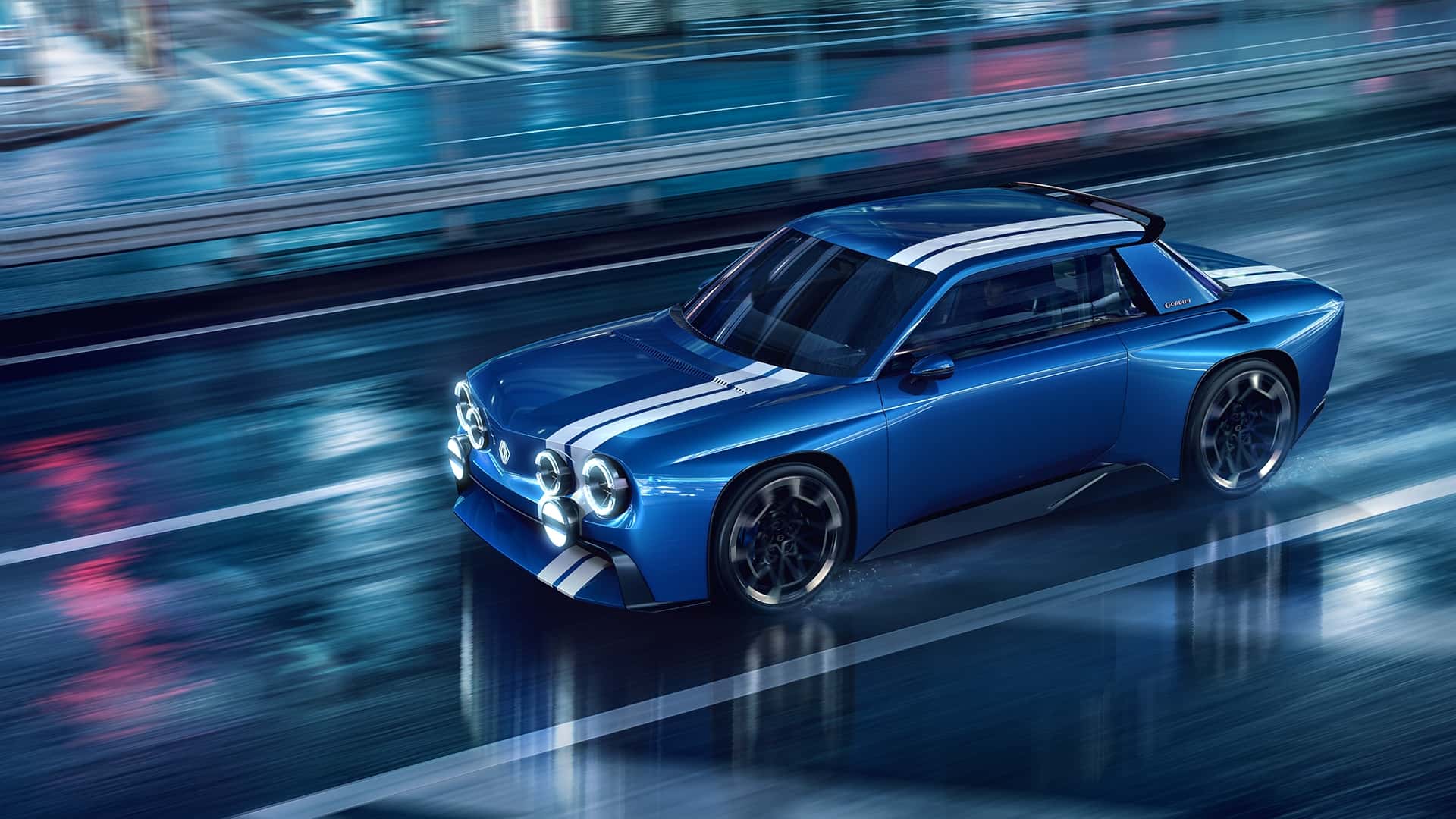
Renault 8 Gordini Returns as Rear-Wheel Drive EV
Renault has unveiled the return of the iconic Renault 8 Gordini as a rear-wheel drive electric…
Just now
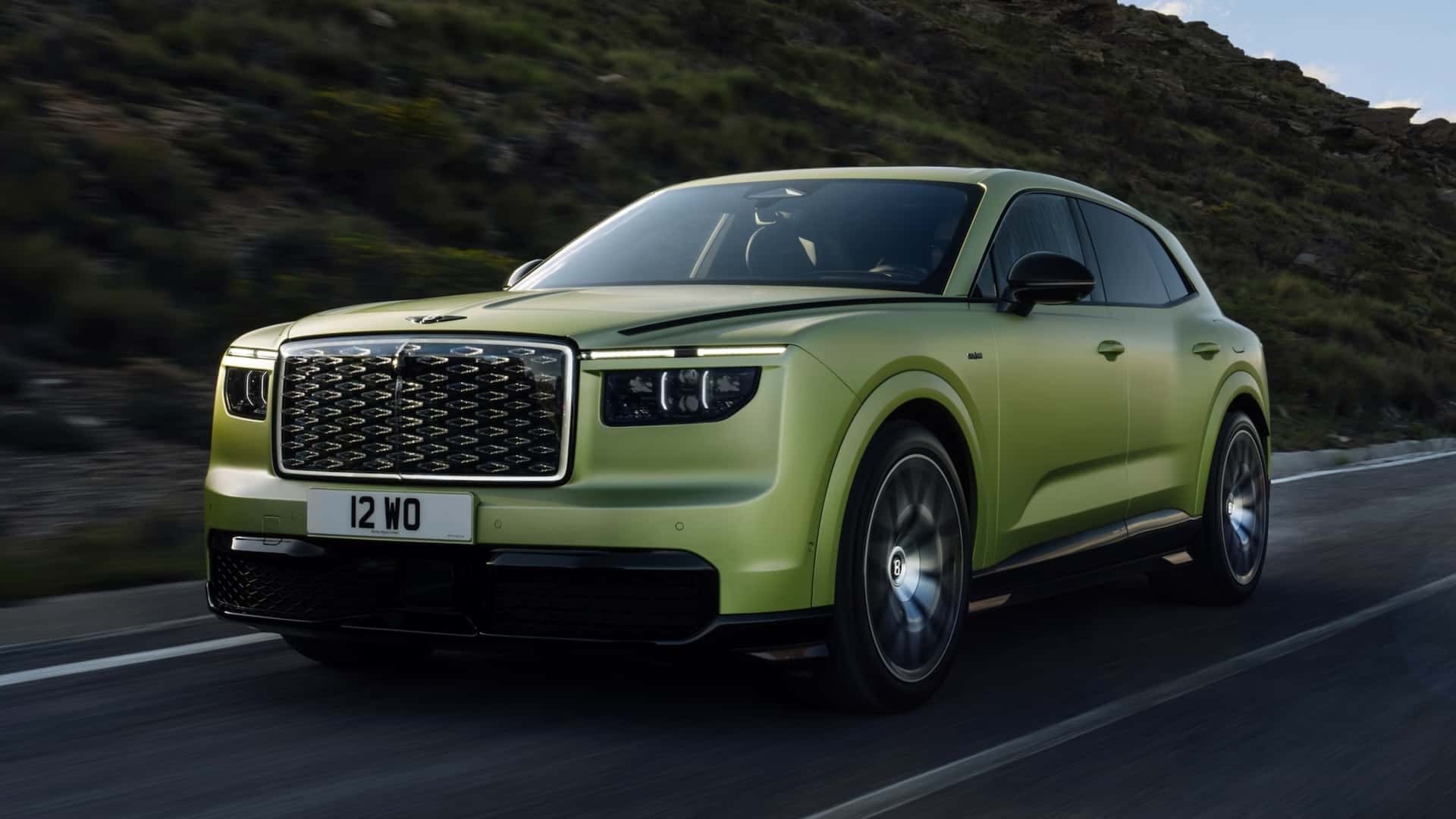
Bentley's First EV, the Torcal, Offers Rapid Charging Capabilities
Bentley has launched its first electric vehicle, the Torcal, a midsize SUV that boasts rapid…
12h ago
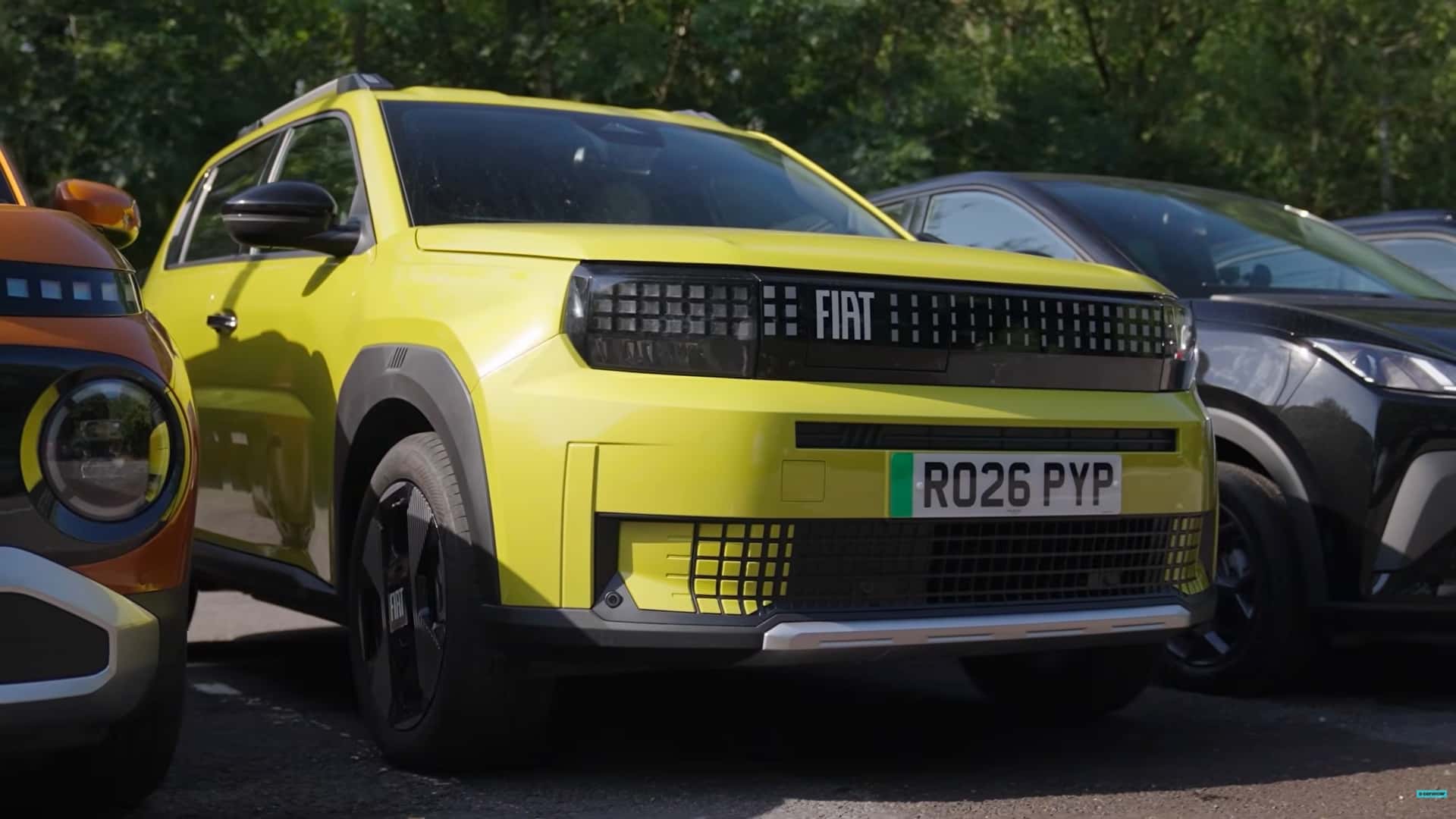
Fiat Grande Panda Outperforms Claimed Range in Real-World Test
In a recent highway range test, the Fiat Grande Panda exceeded its officially claimed range,…
12h ago
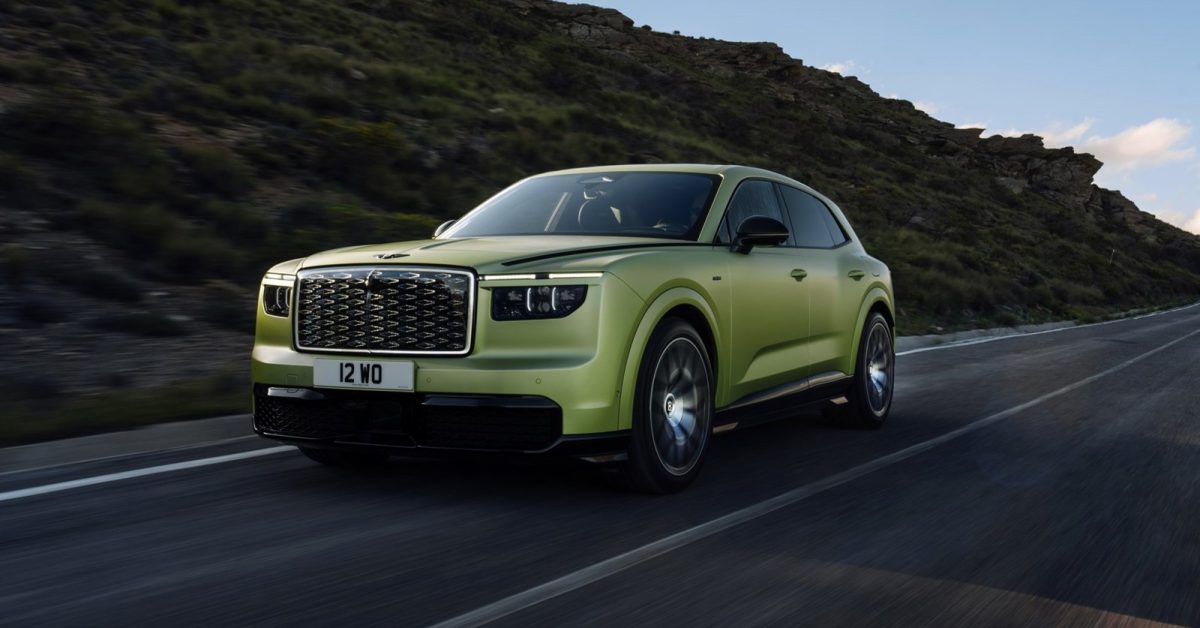
Bentley Launches Torcal, Its First All-Electric SUV
Bentley has officially unveiled the Torcal, marking its entry into the electric vehicle market.…
12h ago