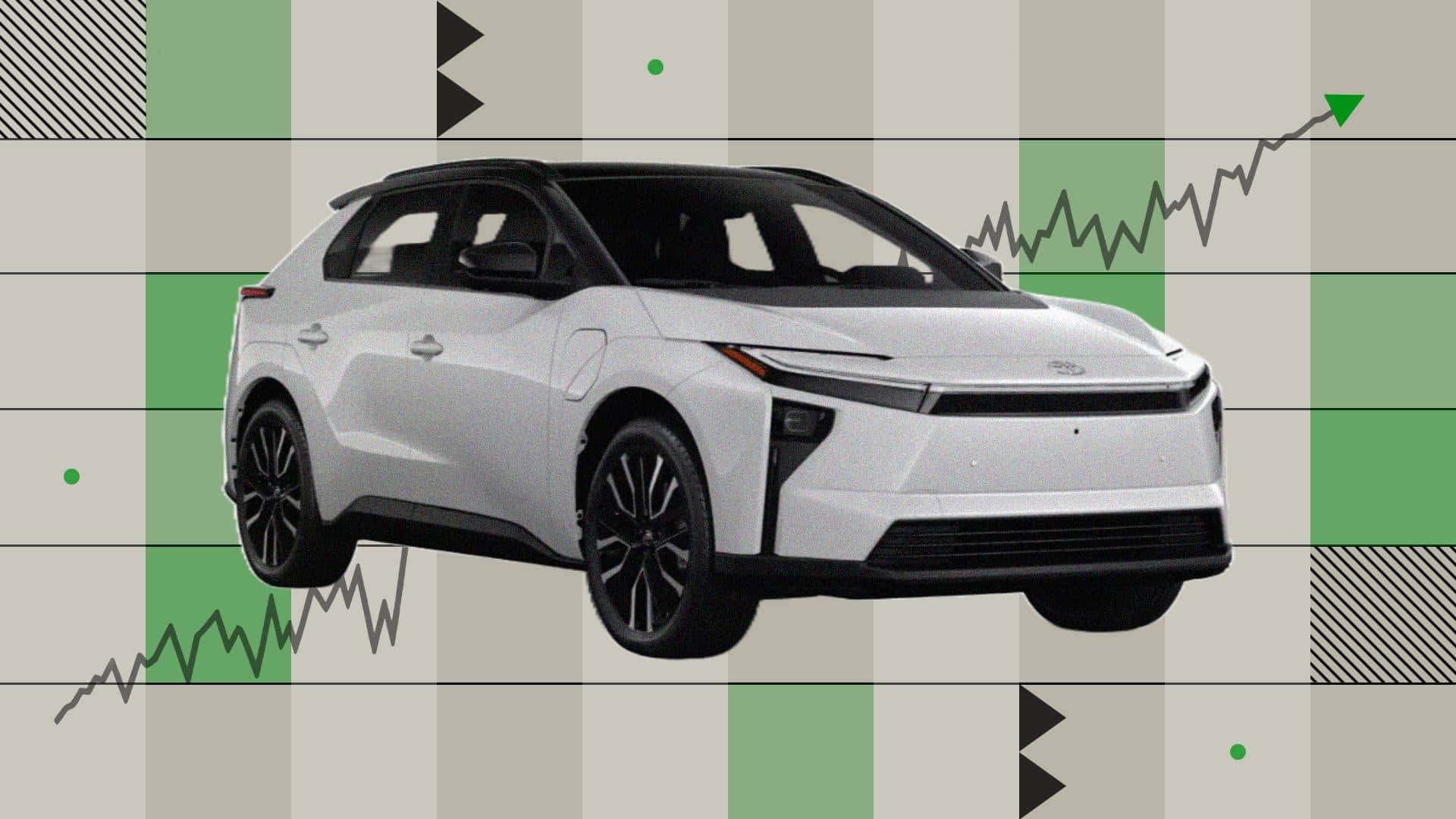
U.S. EV Sales Rebound To Their Highest Level Since The Tax Credit Ended
Updated July 10, 2026
3 min read
1 linked source
In the second quarter of 2023, U.S. electric vehicle (EV) sales rebounded to their highest levels since the federal tax credit for EV purchases ended. This marks a significant change after several months of declining sales, indicating a potential recovery in the market. However, the long-term impact of this rebound remains uncertain as it follows a period of reduced incentives for buyers.
Share this story
Why it matters
- ✓Increased sales may lead to more competitive pricing for EVs as manufacturers respond to demand.
- ✓A rebound in sales could improve the availability of EV models, making it easier for buyers to find the vehicle they want.
- ✓As sales rise, there may be a renewed focus on expanding charging infrastructure, benefiting current and future EV owners.
Reporting notes
EV Signal briefs are written to explain the verified change first, then add the context EV buyers and owners need to understand cost, availability, charging access, eligibility, or ownership impact.
If details are still developing, we try to say what is confirmed, what comes from secondary reporting, and what readers should verify before acting.
Source mix
1 linked source
1 media
Reviewed from: InsideEVs.
U.S. EV Sales Rebound
In a notable shift, U.S. electric vehicle (EV) sales in the second quarter of 2023 have rebounded to their highest level since the federal tax credit for EV purchases ended. This resurgence comes after several months of declining sales, suggesting that the market may be stabilizing following a challenging period for EV manufacturers and buyers alike.
What Changed
According to data reported by InsideEVs, the second quarter of 2023 saw a significant increase in EV sales compared to previous quarters. This rebound indicates that consumer interest in electric vehicles remains strong, even in the absence of federal tax incentives that previously encouraged buyers. The end of the tax credit had raised concerns about a potential long-term decline in EV sales, but the latest figures suggest that the market is beginning to recover.
Why It Matters for Buyers and Owners
The increase in EV sales has several implications for current and prospective EV buyers:
- Competitive Pricing: As sales increase, manufacturers may be incentivized to adjust pricing strategies to attract more buyers, potentially leading to more affordable options in the market.
- Availability of Models: A rebound in sales often leads to improved availability of various EV models, making it easier for consumers to find vehicles that meet their needs and preferences.
- Charging Infrastructure: With an uptick in sales, there may be renewed investment in charging infrastructure, which is critical for supporting current EV owners and encouraging new buyers to make the switch to electric.
Key Details from Source Material
The report from InsideEVs highlights that the second quarter's sales figures are a positive sign for the EV market, which has faced challenges since the expiration of the federal tax credit. While the exact numbers and models contributing to this rebound were not detailed, the overall trend indicates a shift in consumer behavior that could reshape the market landscape moving forward.
What to Watch Next
As the EV market continues to evolve, it will be important to monitor how these sales trends develop in the coming quarters. Key areas to watch include:
- Future Incentives: Any potential changes in federal or state incentives for EV purchases could significantly impact sales trends.
- Market Competition: How manufacturers respond to the increased demand and whether new entrants into the market emerge.
- Consumer Sentiment: Ongoing consumer interest in EVs, particularly as more models become available and charging infrastructure improves.
In summary, while the rebound in EV sales is a positive development for the market, the long-term effects of the end of the tax credit and the sustainability of this growth remain to be seen.
Sources
These are the documents and reports used to build this brief so readers can verify the story directly.
Comments
Log in with
Loading comments…
More in Buying

Ausom Launches Fall Sale on Electric Scooters
Ausom is holding a Fall Sale this month, offering discounts on its range of electric scooters,…
Just now
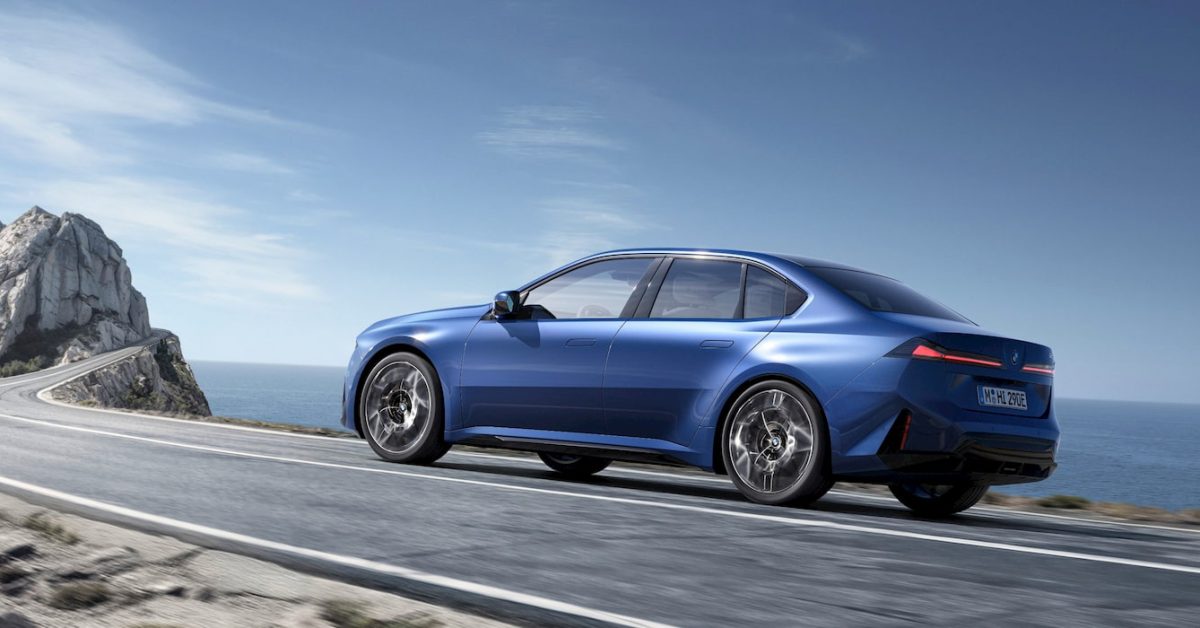
BMW Opens US Reservations for New i3 Ahead of Schedule
BMW has announced that it will open reservations for the new i3 in the United States earlier than…
12h ago

Jackery Explorer 5000 Plus Power Station Discounted by $1,000
The Jackery Explorer 5000 Plus Portable Power Station is now available for $1,499, reflecting a…
18h ago
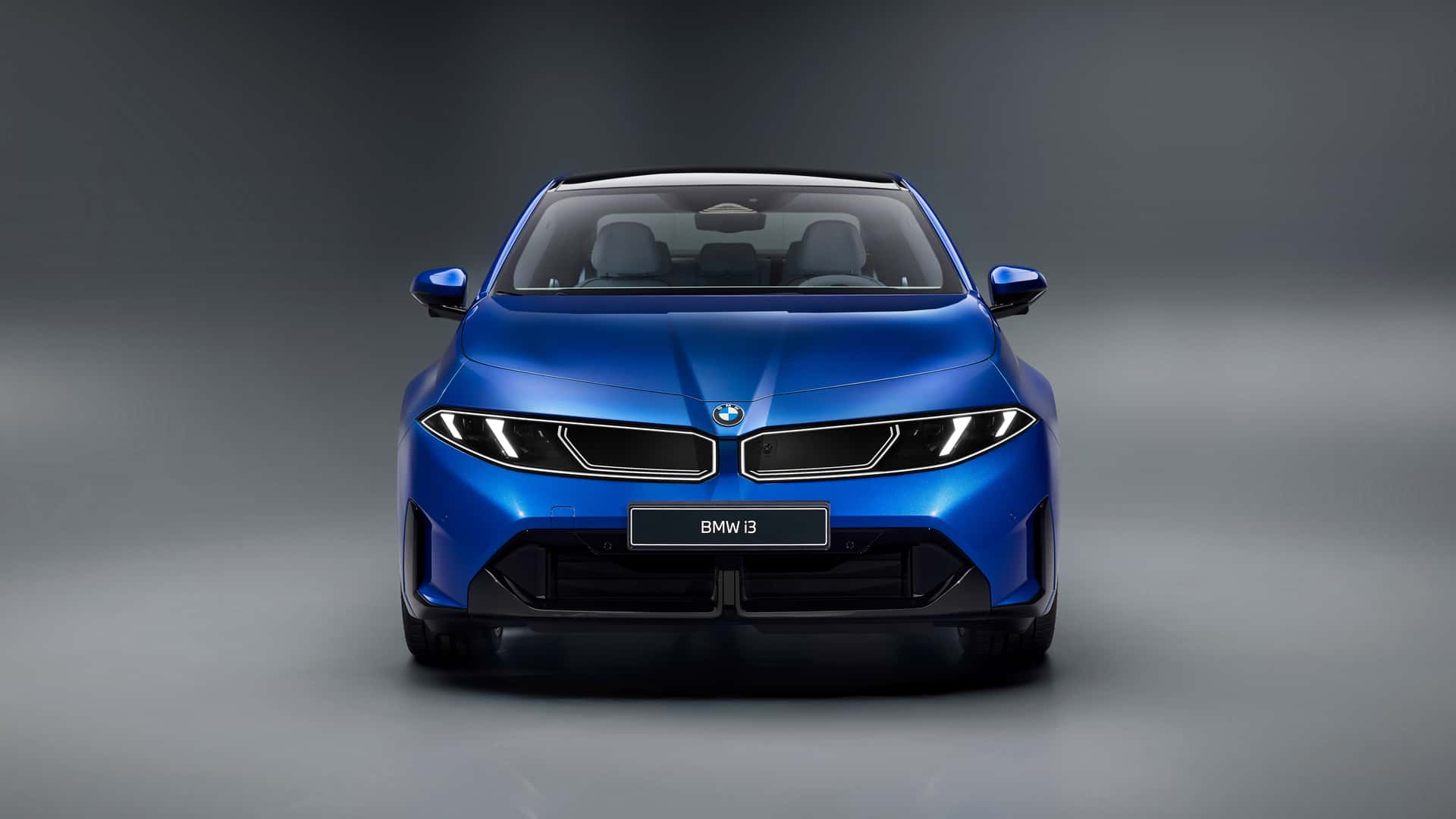
BMW i3 EV Reservations Open Early in the U.S.
BMW has announced that it will begin accepting reservations for the new i3 electric sedan ahead of…
1d ago