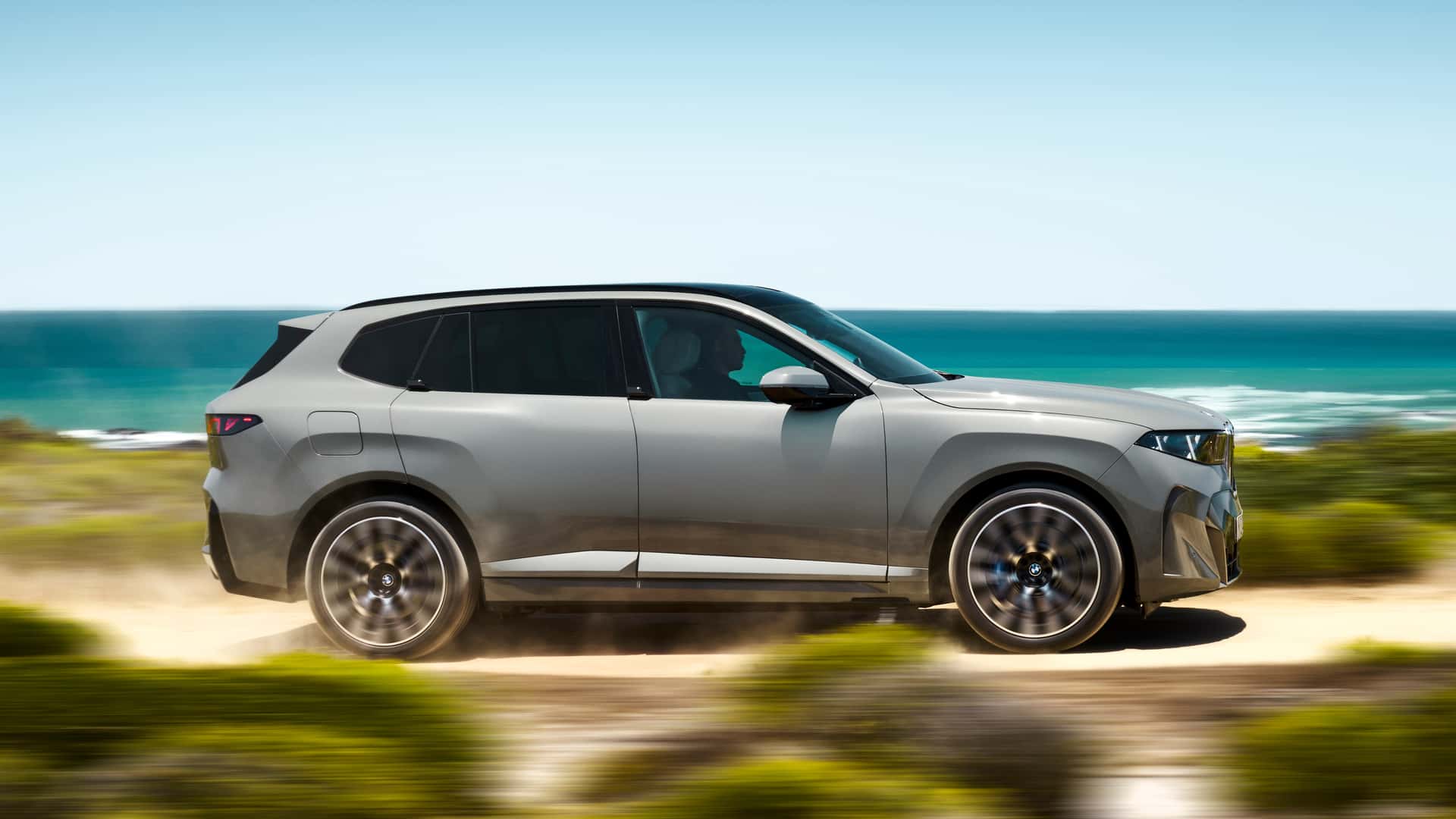
U.S. EV Sales Forecast Revised Downward for 2030

Edited by Volta Kessrin
Models, Pricing & Buying
Updated July 3, 2026
3 min read
1 linked source
A recent report indicates that only 17% of U.S. car sales are expected to be electric vehicles (EVs) by 2030, significantly lower than earlier projections. This change affects potential EV buyers and the automotive industry, raising concerns about the pace of the EV transition in the U.S. The uncertainty surrounding policy support for EVs is a critical factor in this revised forecast.
Share this story
Why it matters
- ✓Lower EV sales projections may lead to reduced availability of electric models, impacting consumer choice.
- ✓Uncertainty in policy could affect incentives that make EVs more affordable, potentially increasing ownership costs.
- ✓A slower transition to EVs may hinder the development of charging infrastructure, affecting day-to-day use for current and prospective EV owners.
U.S. EV Sales Forecast Revised Downward for 2030
A new report from BloombergNEF has revised the forecast for electric vehicle (EV) sales in the United States, projecting that only 17% of car sales will be electric by 2030. This figure is significantly lower than previous estimates, which anticipated a more aggressive transition to electric mobility. The implications of this change are far-reaching, affecting not only potential buyers but also the broader automotive industry and its stakeholders.
What Changed
The key change in this report is the stark reduction in the expected percentage of EV sales by 2030. Previously, analysts had forecasted a more optimistic outlook, but the new estimate of 17% suggests a slowdown in the adoption of electric vehicles. This shift raises questions about the factors contributing to this decline, particularly regarding U.S. government policies that have historically influenced the EV market.
Why It Matters for Buyers and Owners
This downward revision in EV sales projections has several implications for current and prospective EV buyers:
-
Availability of Models: With a lower forecast for EV sales, manufacturers may be less inclined to invest in new electric models, potentially limiting consumer choice in the market.
-
Incentives and Affordability: The uncertainty surrounding government policies and incentives for EV purchases could lead to higher ownership costs. If incentives are reduced or eliminated, the affordability of EVs may diminish, making it harder for buyers to transition from traditional vehicles.
-
Charging Infrastructure Development: A slower transition to EVs may also impact the development of charging infrastructure. If fewer EVs are on the road, there may be less urgency for investment in charging stations, which could complicate day-to-day use for current EV owners and deter potential buyers.
Key Details from Source Material
According to the report from InsideEVs, the revised forecast reflects a broader trend of policy whiplash in the U.S., where fluctuating government support for EVs has created uncertainty in the market. The report highlights that the automotive industry is currently navigating a complex landscape of regulations and incentives that can change rapidly, impacting manufacturers' strategies and consumer confidence.
This uncertainty is compounded by the fact that many consumers are still hesitant to make the switch to electric vehicles, often due to concerns about range, charging availability, and overall costs. As a result, the projected sales figures may not only reflect market dynamics but also consumer sentiment influenced by policy changes.
What to Watch Next
As the situation develops, it will be important to monitor any changes in U.S. government policies regarding EV incentives and support. Additionally, keeping an eye on consumer trends and manufacturer responses will provide further insight into how the market may evolve in the coming years. Stakeholders in the EV industry, including manufacturers, policymakers, and consumers, will need to adapt to these changes to ensure a successful transition to electric mobility.
In conclusion, the revised forecast of 17% EV sales by 2030 underscores the challenges facing the U.S. EV market. With ongoing policy shifts and consumer hesitance, the path forward for electric vehicles remains uncertain.
Sources
These are the documents and reports used to build this brief so readers can verify the story directly.
- How America’s Policy Whiplash Derailed The EV Transition — InsideEVsMEDIA
Reporting notes
EV Signal briefs are written to explain the verified change first, then add the context EV buyers and owners need to understand cost, availability, charging access, eligibility, or ownership impact.
If details are still developing, we try to say what is confirmed, what comes from secondary reporting, and what readers should verify before acting.
Source mix
1 linked source
1 media
Reviewed from: InsideEVs.
Comments
Log in with
Loading comments…
More in Buying

Tesla and Musk Still Lack Clarity on 'Abundance' Concept One Year Later
Despite promises from CEO Elon Musk to clarify his vision of 'abundance' in relation to Tesla's…
1h ago
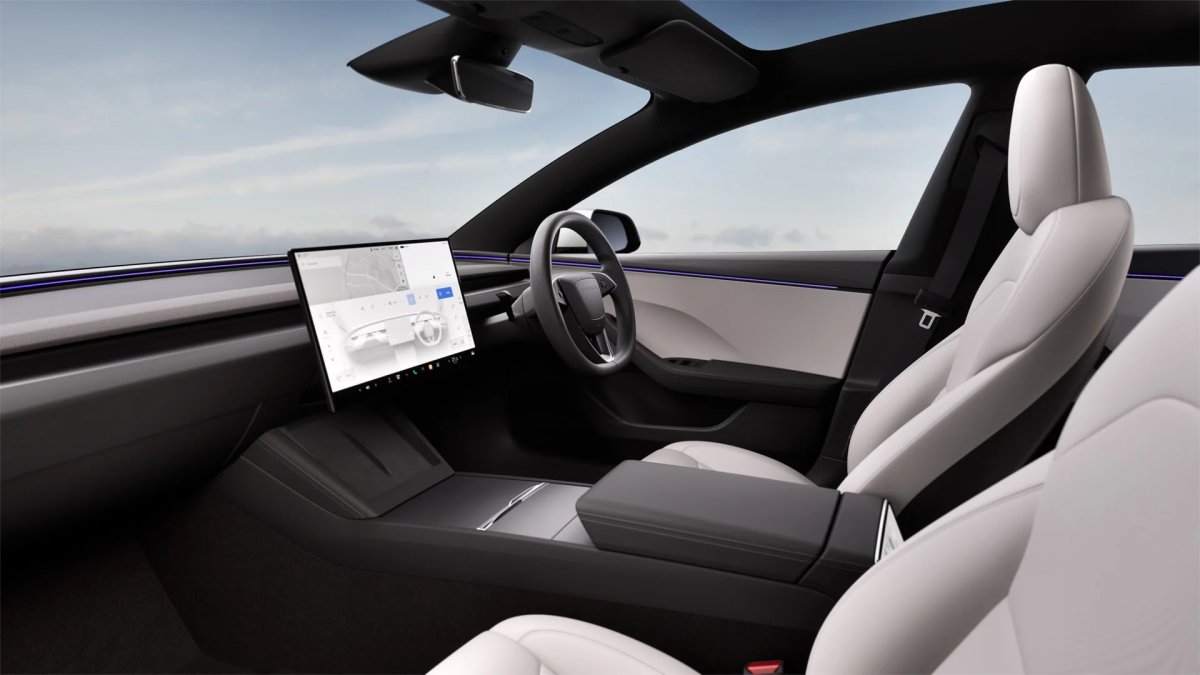
Tesla Discontinues White Interior Option in Select Regions
Tesla has officially discontinued the White interior option for the Model 3 Premium and Performance…
1h ago

Gazelle Reduces Prices on Premium Electric Bikes
Gazelle has lowered the prices of its premium Ultimate electric bike models, making them more…
1h ago
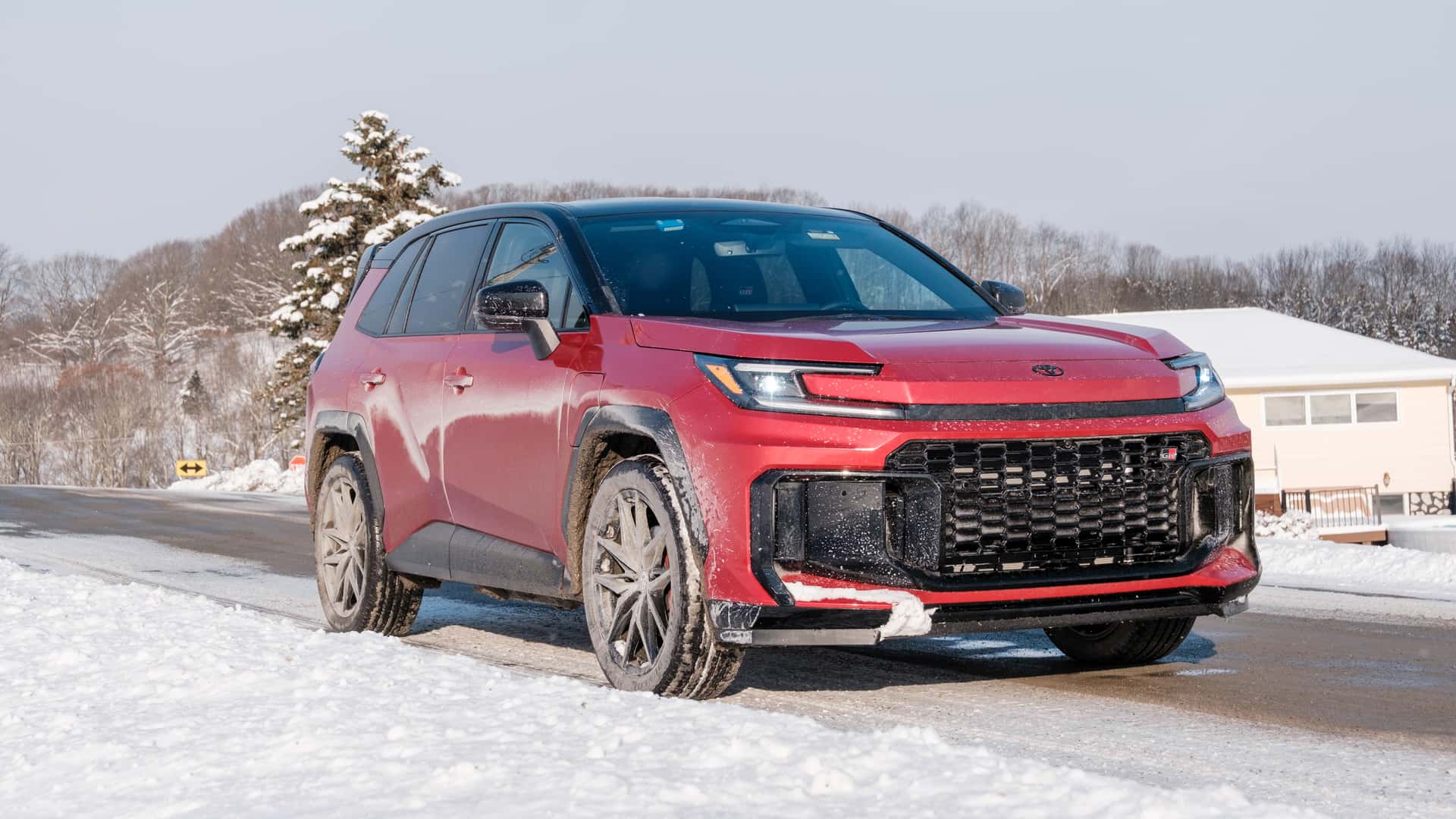
Over 60% of Toyotas Sold in Q3 Were Electrified
In the third quarter of 2023, over 60% of Toyota and Lexus vehicles sold were electrified, which…
1h ago