
US Conflict in Iran Drives Up Gas Prices, Highlights Benefits of Home Solar Energy
Updated April 7, 2026
3 min read
1 linked source
The ongoing conflict in Iran is contributing to rising gas prices in the United States, which in turn is impacting electric vehicle (EV) sales. As fuel costs soar, there is a growing case for homeowners to consider solar energy as a viable alternative. This shift not only offers potential savings but also enhances energy independence amidst geopolitical tensions.
Share this story
Why it matters
- ✓Rising gas prices can deter potential EV buyers, making it crucial for them to explore alternative energy sources like home solar.
- ✓Home solar can provide a more stable and predictable energy cost, reducing reliance on fluctuating fossil fuel prices.
- ✓Increased interest in solar energy may lead to more incentives and support for EV infrastructure, benefiting current EV owners.
Reporting notes
EV Signal briefs are written to explain the verified change first, then add the context EV buyers and owners need to understand cost, availability, charging access, eligibility, or ownership impact.
If details are still developing, we try to say what is confirmed, what comes from secondary reporting, and what readers should verify before acting.
Source mix
1 linked source
1 media
Reviewed from: Electrek.
US Conflict in Iran Drives Up Gas Prices, Highlights Benefits of Home Solar Energy
The ongoing conflict in Iran has significant implications for energy prices in the United States, particularly concerning gasoline. As tensions escalate, gas prices are surging, which poses challenges for consumers and the electric vehicle (EV) market. This situation is prompting a renewed interest in home solar energy as a viable alternative to traditional fuel sources.
Rising Gas Prices Amidst Geopolitical Tensions
The war in Iran is contributing to instability in global oil markets, leading to increased gasoline prices across the United States. As the conflict continues, consumers are feeling the pinch at the pump, which can deter potential buyers from investing in electric vehicles. Higher gas prices not only affect daily commuting costs but also influence the overall cost of vehicle ownership.
The Case for Home Solar Energy
In light of rising fuel costs, homeowners are increasingly considering solar energy as a practical solution. Home solar systems allow individuals to generate their own electricity, reducing reliance on the grid and fossil fuels. This shift can lead to significant savings on energy bills, especially as traditional energy prices fluctuate due to geopolitical events.
Benefits of Solar Energy for EV Owners
For current EV owners, integrating home solar energy can enhance the benefits of electric vehicle ownership. By charging their vehicles with solar power, owners can further reduce their carbon footprint and achieve greater energy independence. This not only helps in mitigating the impact of rising gas prices but also aligns with broader sustainability goals.
Financial Incentives and Long-Term Savings
Investing in home solar can also provide financial incentives. Many states offer tax credits, rebates, and other financial assistance for homeowners who install solar panels. These incentives can significantly lower the initial investment cost, making solar energy more accessible. Over time, the savings on energy bills can offset the installation costs, leading to long-term financial benefits.
Conclusion: A Shift Towards Energy Independence
As the conflict in Iran continues to impact gas prices, the case for home solar energy becomes increasingly compelling. For potential EV buyers, the rising cost of gasoline may serve as a catalyst to explore alternative energy solutions. By investing in solar energy, homeowners can not only save money but also contribute to a more sustainable and energy-independent future. As the landscape of energy consumption evolves, the integration of home solar with electric vehicles could play a crucial role in shaping the future of transportation and energy use in the United States.
Sources
These are the documents and reports used to build this brief so readers can verify the story directly.
Comments
Log in with
Loading comments…
More in Ownership
Tesla's Lawyers Misled Witness in Racism Trial
Tesla's ongoing racism trial in California has faced significant setbacks as it was revealed that a…
18h ago

Rivian R2 Faces First Recall Due to Camera Issue
Rivian has issued a recall affecting nearly 99,000 vehicles, including some of its new R2 models,…
18h ago
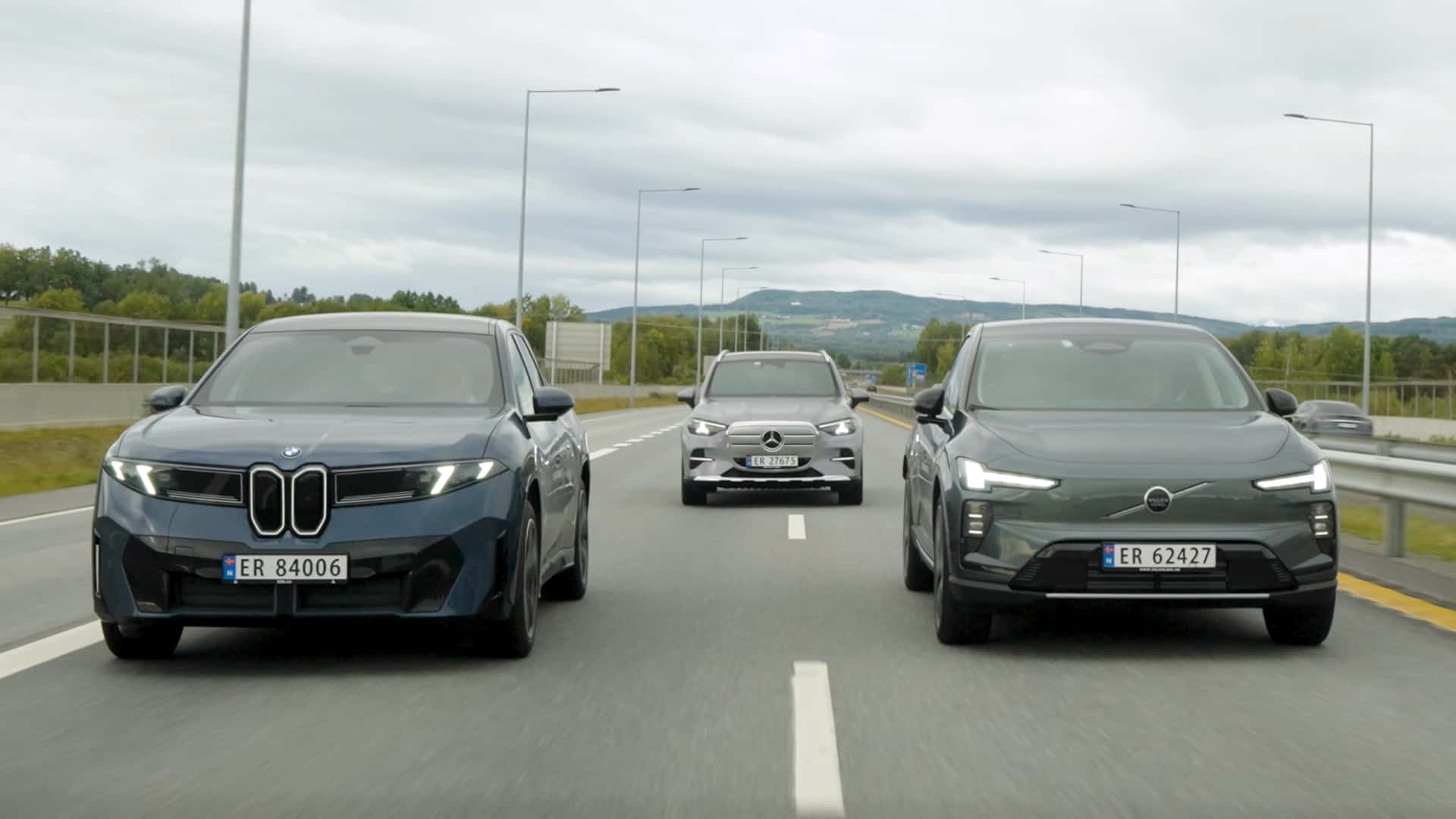
BMW iX3 Outperforms Mercedes GLC and Volvo EX60 in Highway Efficiency Test
In a recent highway test, the BMW iX3 demonstrated superior energy efficiency and range compared to…
1d ago
PHEV Batteries Show Resilience Despite Frequent Cycling
Plug-in hybrid electric vehicles (PHEVs) experience more frequent battery cycling than fully…
1d ago