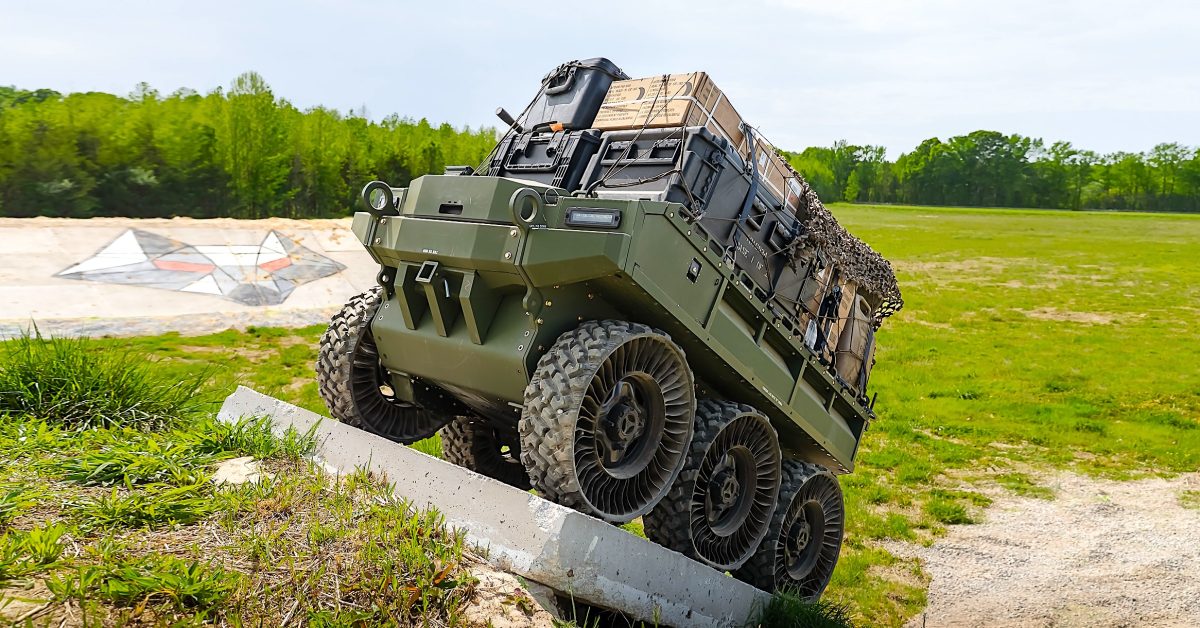
US Army Selects Autonomous Military 6×6 Electric Drive Robot for Infantry Support

Edited by Volta Kessrin
Models, Pricing & Buying
Updated October 12, 2026
3 min read
1 linked source
The Hunter WOLF military robot has been chosen as one of six projects under the US Army's Infantry Last Tactical Mile initiative, aimed at modernizing infantry support. This autonomous 6×6 vehicle features an electric drive system designed for rugged terrain, enhancing operational capabilities for soldiers. The initiative is still in the research phase, and further details about deployment and specifications are yet to be confirmed.
Share this story
Why it matters
- ✓The development of electric drive systems in military applications could influence future EV technology and innovations in civilian vehicles.
- ✓As military technology evolves, there may be trickle-down effects that improve electric vehicle performance and capabilities for consumers.
- ✓Increased investment in electric drive systems may lead to better infrastructure and charging solutions that benefit both military and civilian EV users.
Overview of the Hunter WOLF
The Hunter WOLF military robot is an innovative autonomous vehicle equipped with electric drive capabilities. Selected as part of the US Army's Infantry Last Tactical Mile (ILTM) initiative, this 6×6 robot aims to enhance infantry support on the battlefield. The ILTM initiative focuses on modernizing the tools and technologies available to soldiers, ensuring they are equipped with advanced support systems.
What Changed
The key change is the selection of the Hunter WOLF as one of six projects under the ILTM initiative. This marks a significant step in integrating electric drive technology into military operations, showcasing the potential for autonomous vehicles in challenging environments. The Hunter WOLF is designed to navigate rugged terrain, which is crucial for military applications where traditional vehicles may struggle.
Why It Matters for Buyers and Owners
-
Influence on EV Technology: The development of electric drive systems in military applications could lead to advancements in civilian electric vehicles. Innovations tested in military settings often find their way into consumer markets, potentially improving the performance and reliability of EVs.
-
Infrastructure Development: As military projects like the Hunter WOLF gain traction, there may be increased investment in electric vehicle infrastructure, including charging stations. This could benefit civilian EV owners by expanding charging access and improving overall convenience.
-
Enhanced Capabilities: The advancements in autonomous technology and electric drive systems could inspire new features and capabilities in future consumer EVs, making them more versatile and efficient.
Key Details from Source Material
According to Electrek, the Hunter WOLF is part of a broader initiative by the US Army to modernize infantry support. The ILTM initiative is focused on research and development, and while the Hunter WOLF has been selected, specific details regarding its deployment and operational capabilities remain to be fully outlined. The electric drive system is a notable feature, allowing the vehicle to operate in various terrains, which is essential for military operations.
What to Watch Next
As the ILTM initiative progresses, it will be important to monitor updates regarding the Hunter WOLF and other selected projects. Key areas to watch include:
- Deployment timelines: When will the Hunter WOLF be operational, and how will it be integrated into existing military frameworks?
- Technological advancements: What new features or capabilities will emerge from the research and development phase?
- Impact on civilian EVs: How will advancements in military electric drive technology influence the consumer electric vehicle market in the coming years?
In conclusion, the selection of the Hunter WOLF as part of the US Army's ILTM initiative represents a significant step in the integration of electric drive technology into military operations. While details are still emerging, the implications for both military and civilian electric vehicles could be substantial.
Sources
These are the documents and reports used to build this brief so readers can verify the story directly.
Reporting notes
EV Signal briefs are written to explain the verified change first, then add the context EV buyers and owners need to understand cost, availability, charging access, eligibility, or ownership impact.
If details are still developing, we try to say what is confirmed, what comes from secondary reporting, and what readers should verify before acting.
Source mix
1 linked source
1 media
Reviewed from: Electrek.
Comments
Log in with
Loading comments…
More in Models & Pricing
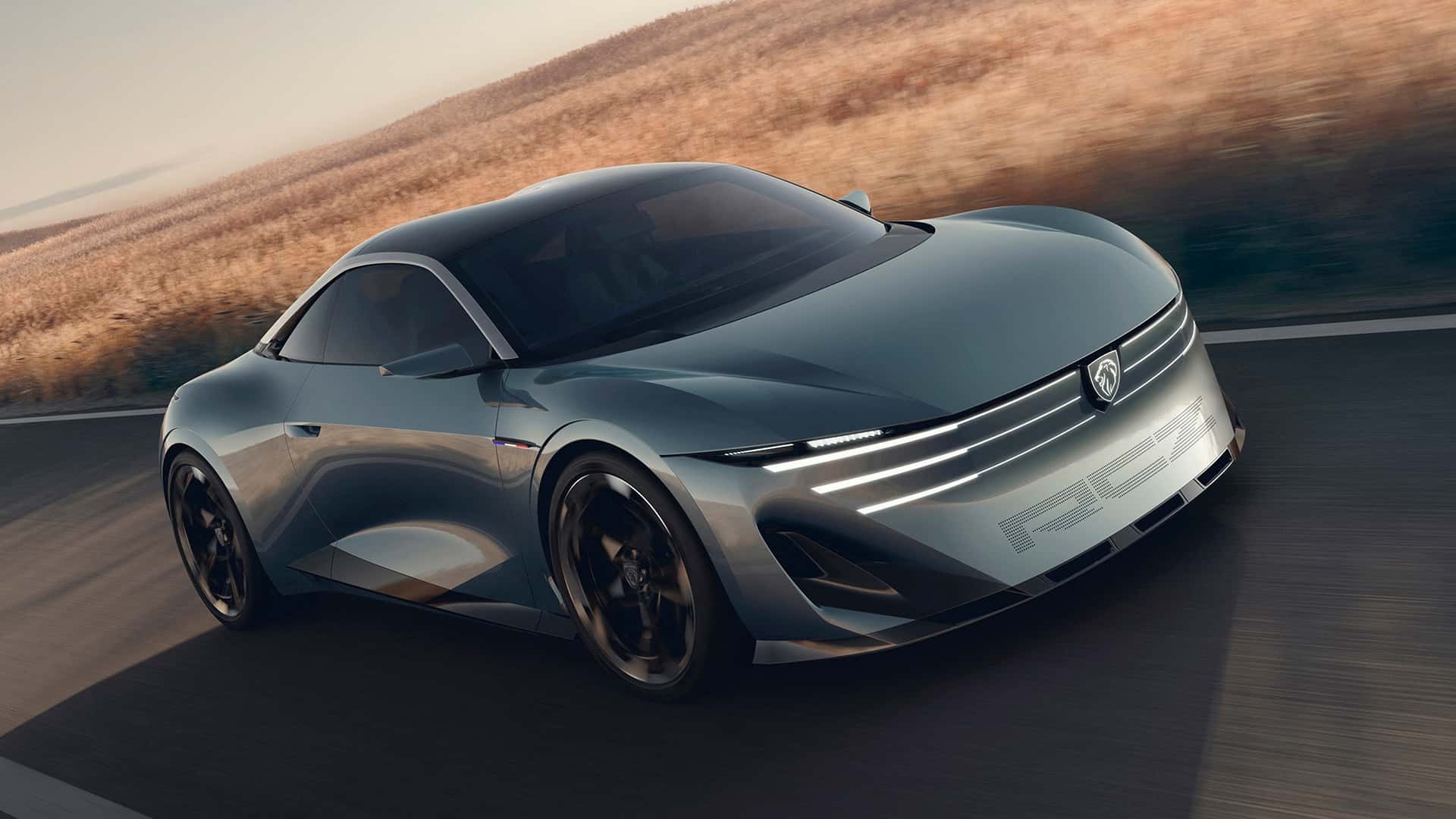
Peugeot Introduces RCZ as Solid-State Electric Sports Car
Peugeot has unveiled the RCZ as an electric concept sports car featuring a solid-state battery and…
2h ago
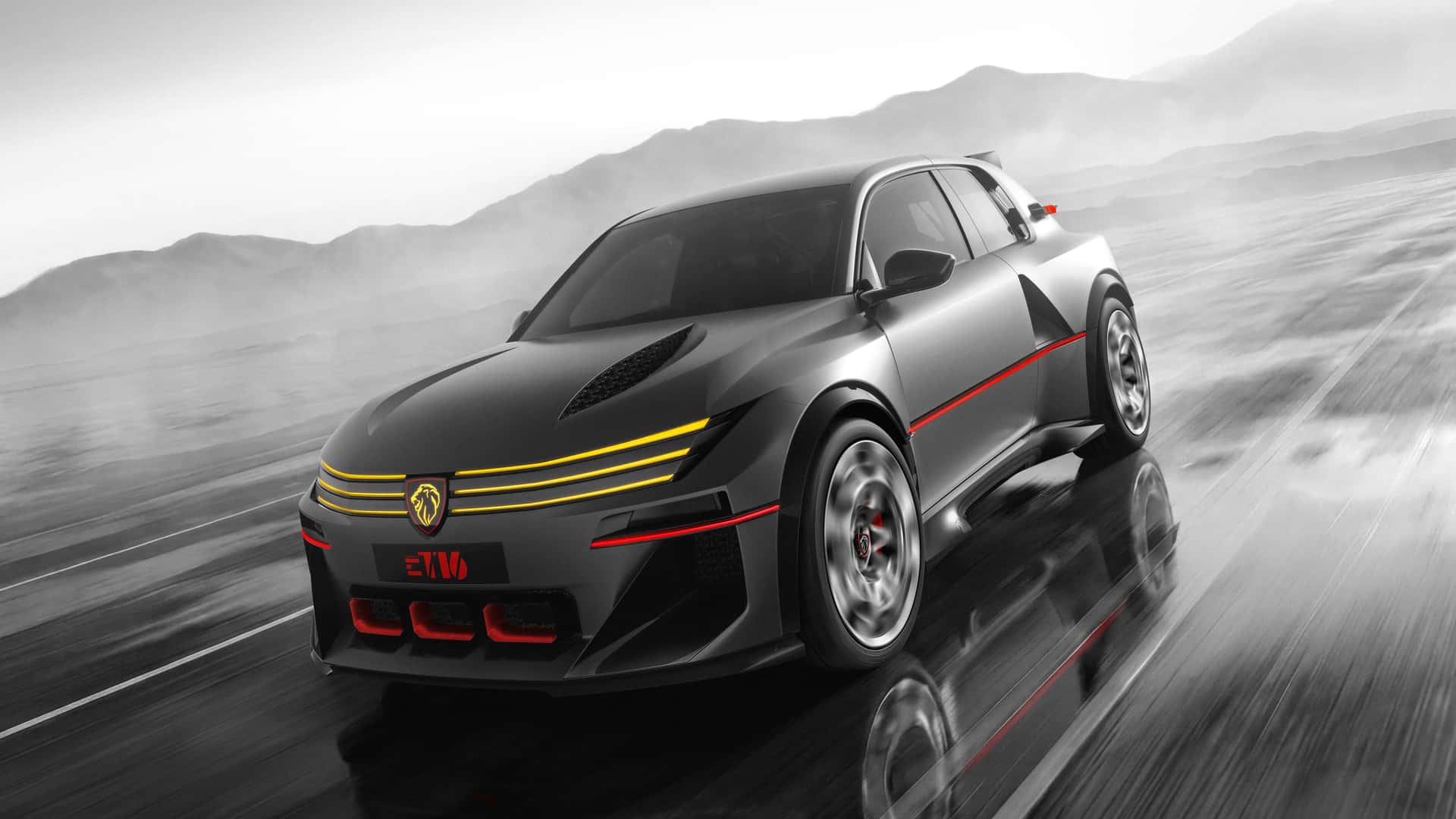
Peugeot Unveils E-T16 Concept, Hinting at Next-Gen Electric 208
Peugeot has introduced the E-T16 concept, which showcases the design direction for its upcoming…
2h ago
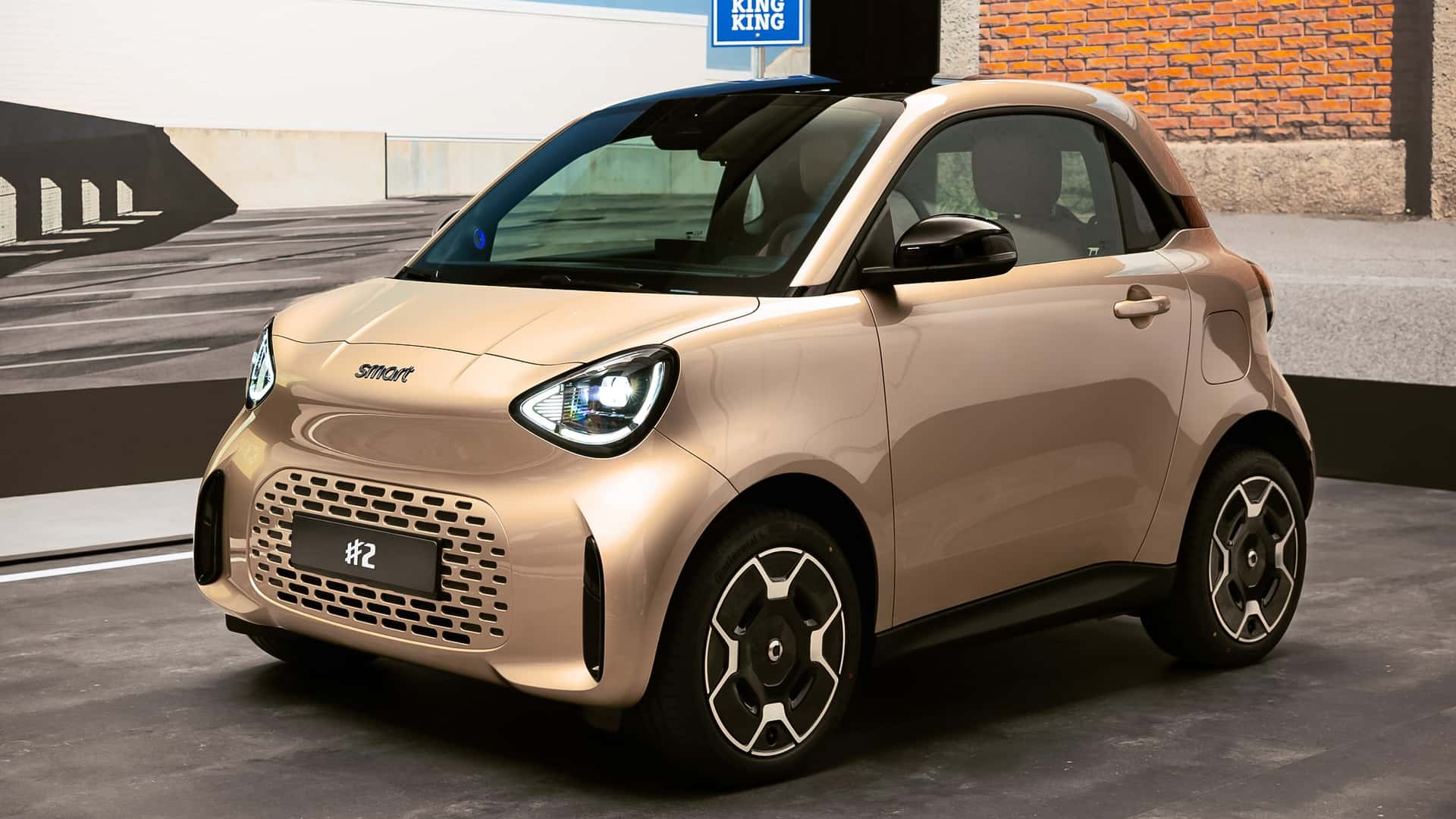
Smart EV Introduces Upgraded Battery and Charging Features
The Smart #2 electric vehicle has been updated with improved battery and charging capabilities,…
2h ago
Honda Introduces Electric All-Wheel Drive in New Hybrids
Honda is set to launch 15 next-generation hybrids, most of which will feature electric all-wheel…
2h ago