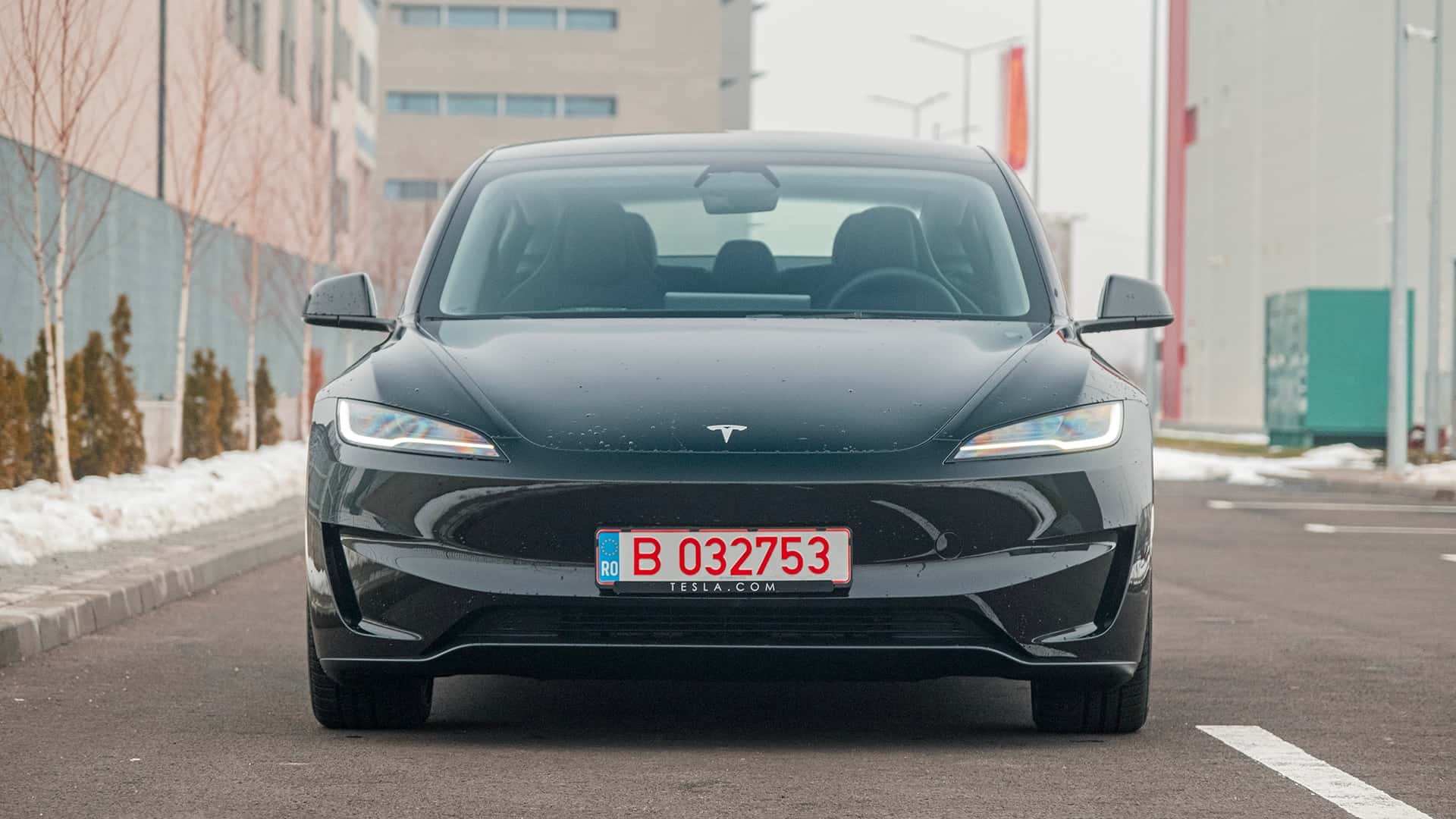
Understanding the Two Horsepower Ratings of Your EV
Updated September 12, 2026
3 min read
1 linked source
Electric vehicles (EVs) have two distinct horsepower ratings: peak output and sustained power. Automakers typically advertise only the peak output, which is available for short bursts, while the sustained power rating indicates how much power the drivetrain can maintain over longer periods. This distinction is crucial for potential buyers and current owners to understand the performance capabilities of their EVs.
Share this story
Why it matters
- ✓Buyers should consider both horsepower ratings when evaluating EV performance, as peak power may not reflect real-world driving conditions.
- ✓Understanding sustained power can help owners gauge how their vehicle will perform during extended use, such as highway driving or towing.
- ✓This knowledge may influence purchasing decisions, especially for those who prioritize performance in their daily driving.
Reporting notes
EV Signal briefs are written to explain the verified change first, then add the context EV buyers and owners need to understand cost, availability, charging access, eligibility, or ownership impact.
If details are still developing, we try to say what is confirmed, what comes from secondary reporting, and what readers should verify before acting.
Source mix
1 linked source
1 media
Reviewed from: InsideEVs.
Understanding the Two Horsepower Ratings of Your EV
Electric vehicles (EVs) have two distinct horsepower ratings: peak output and sustained power. Automakers typically advertise only the peak output, which is available for short bursts, while the sustained power rating indicates how much power the drivetrain can maintain over longer periods. This distinction is crucial for potential buyers and current owners to understand the performance capabilities of their EVs.
What Changed
The primary change in understanding EV performance is the recognition that there are two horsepower ratings: peak and sustained. Peak output is the maximum power that an EV can deliver for a short duration, often used in marketing to highlight impressive acceleration figures. In contrast, sustained power reflects the amount of power the vehicle can consistently deliver over extended periods, which is more relevant for everyday driving scenarios.
Why It Matters for Buyers and Owners
Understanding the difference between peak and sustained power is essential for several reasons:
- Performance Evaluation: Buyers should consider both horsepower ratings when evaluating EV performance, as peak power may not reflect real-world driving conditions. For instance, an EV may accelerate quickly due to its peak power but may struggle to maintain that performance during long drives or under load.
- Driving Experience: Understanding sustained power can help owners gauge how their vehicle will perform during extended use, such as highway driving or towing. This is particularly important for those who may use their EV for tasks that require consistent power output.
- Informed Purchasing Decisions: This knowledge may influence purchasing decisions, especially for those who prioritize performance in their daily driving. Buyers who are aware of both ratings can make more informed choices that align with their driving needs and expectations.
Key Details from Source Material
According to InsideEVs, the distinction between peak and sustained power is significant yet often overlooked by consumers. Automakers tend to highlight peak output in their marketing materials, which can create a skewed perception of an EV's capabilities. The peak power rating is impressive for short bursts, such as during acceleration, but does not provide a complete picture of how the vehicle will perform under normal driving conditions.
The sustained power rating, while less frequently advertised, is crucial for understanding how an EV will handle longer trips, inclines, or heavy loads. This information is particularly relevant for potential buyers who may be comparing different models or considering how their driving habits will affect vehicle performance.
What to Watch Next
As the EV market continues to evolve, it will be important for consumers to stay informed about how automakers present performance data. Future developments may include more transparent reporting of both horsepower ratings from manufacturers, allowing buyers to make better-informed decisions. Additionally, as EV technology advances, the relationship between peak and sustained power may change, potentially impacting how vehicles are marketed and perceived by consumers.
In conclusion, understanding the two horsepower ratings of your EV is vital for making informed decisions as a buyer or owner. By recognizing the difference between peak and sustained power, you can better assess the performance capabilities of your vehicle and ensure it meets your driving needs.
Sources
These are the documents and reports used to build this brief so readers can verify the story directly.
- Your EV Has Two Horsepower Ratings. Automakers Only Advertise One — InsideEVsMEDIA
Comments
Log in with
Loading comments…
More in Ownership

Tesla's Lawyers Misled Witness in Racism Trial
Tesla's ongoing racism trial in California has faced significant setbacks as it was revealed that a…
17h ago

Rivian R2 Faces First Recall Due to Camera Issue
Rivian has issued a recall affecting nearly 99,000 vehicles, including some of its new R2 models,…
17h ago
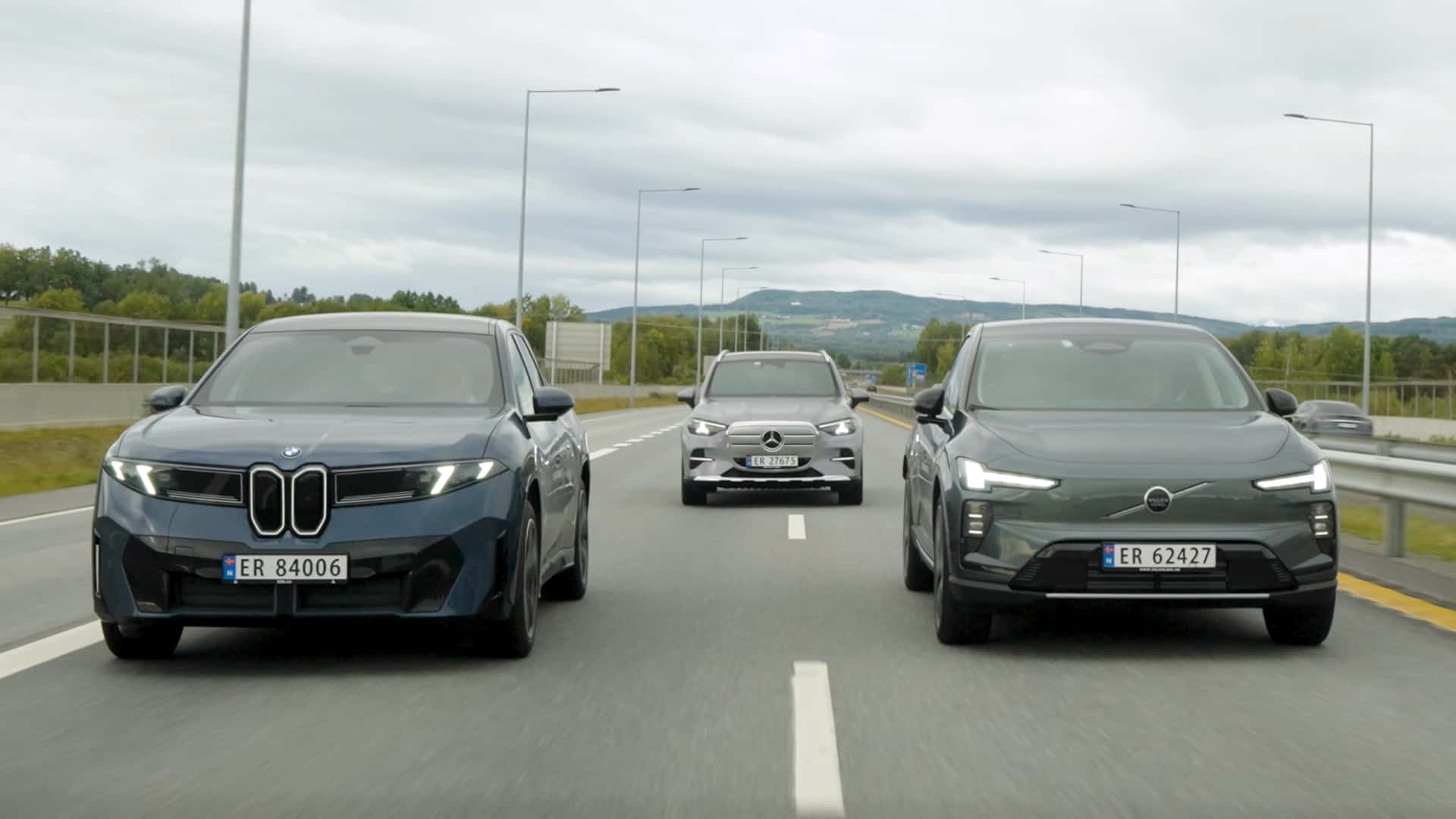
BMW iX3 Outperforms Mercedes GLC and Volvo EX60 in Highway Efficiency Test
In a recent highway test, the BMW iX3 demonstrated superior energy efficiency and range compared to…
23h ago
PHEV Batteries Show Resilience Despite Frequent Cycling
Plug-in hybrid electric vehicles (PHEVs) experience more frequent battery cycling than fully…
1d ago