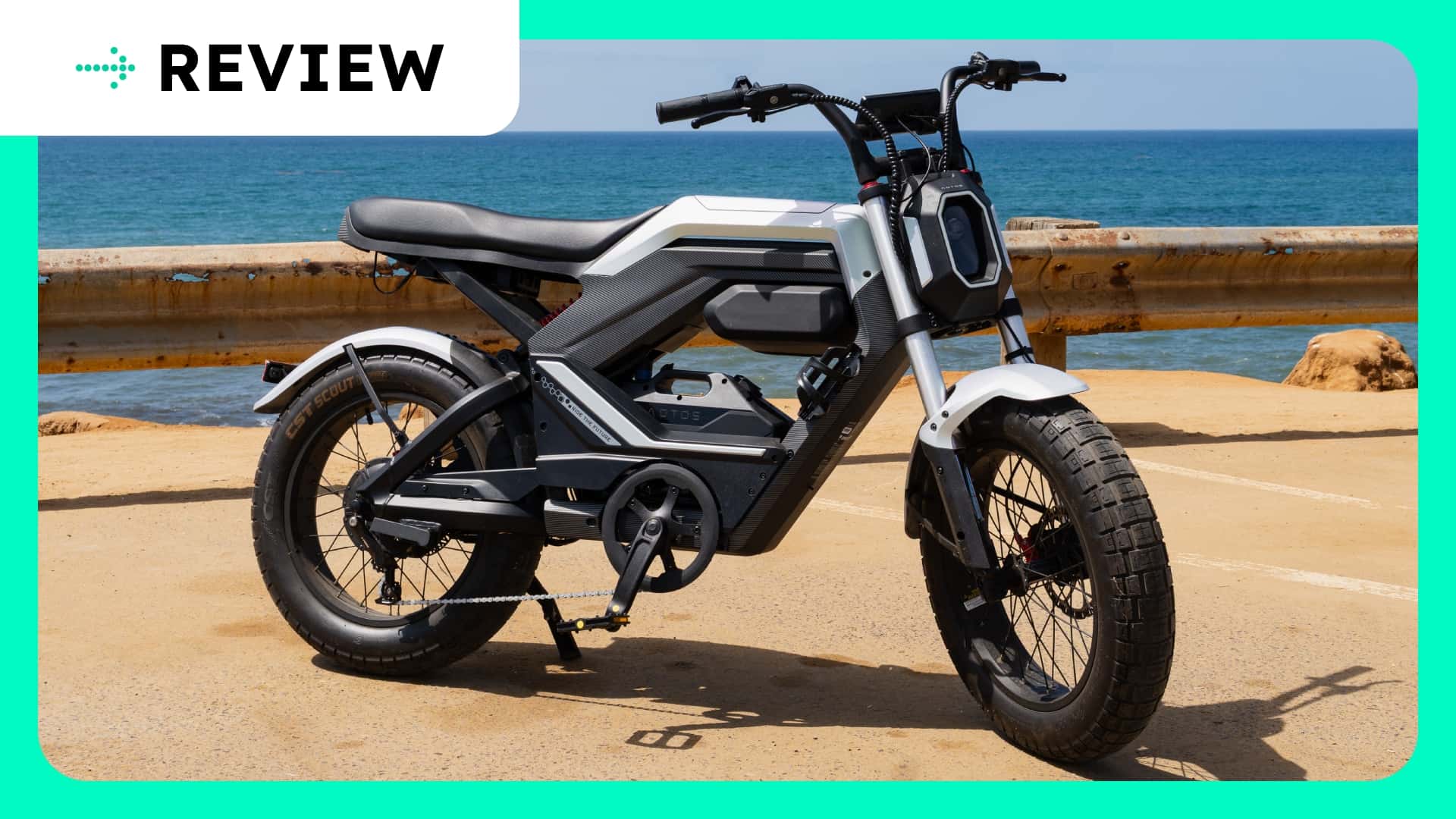
Understanding the Distinction Between E-Bikes and Mopeds
Updated September 19, 2026
3 min read
1 linked source
The classification of e-bikes and mopeds can vary based on different perspectives, leading to confusion among consumers. This distinction affects regulations, usage rights, and potential costs for buyers and owners. As e-moto models gain popularity, understanding these differences is crucial for making informed purchasing decisions.
Share this story
Why it matters
- ✓Buyers need to be aware of the legal definitions that may affect registration and insurance requirements.
- ✓The classification can influence the type of riding experience and the intended use of the vehicle.
- ✓Understanding the differences can help owners avoid potential fines or legal issues related to vehicle classification.
Reporting notes
EV Signal briefs are written to explain the verified change first, then add the context EV buyers and owners need to understand cost, availability, charging access, eligibility, or ownership impact.
If details are still developing, we try to say what is confirmed, what comes from secondary reporting, and what readers should verify before acting.
Source mix
1 linked source
1 media
Reviewed from: InsideEVs.
Understanding the Distinction Between E-Bikes and Mopeds
The classification of electric bicycles (e-bikes) and mopeds is not as straightforward as one might think. According to a review on InsideEVs, the distinction between these two types of vehicles can depend significantly on who you ask. This ambiguity can have important implications for buyers and owners, particularly as e-moto models become increasingly popular.
What Changed?
The rise of e-moto models has sparked discussions about what constitutes an e-bike versus a moped. While e-bikes are generally defined as bicycles with electric assistance, mopeds often have stricter regulations regarding speed and motor power. However, these definitions can vary by jurisdiction, leading to confusion among consumers about what they are purchasing and how they can use it legally.
Why It Matters for Buyers and Owners
Understanding the differences between e-bikes and mopeds is crucial for several reasons:
- Legal Implications: Different classifications can lead to varying requirements for registration, insurance, and licensing. Buyers should be aware of these regulations to avoid any legal issues.
- Usage Rights: The type of vehicle you own can affect where you can ride it. E-bikes may have access to bike paths, while mopeds might be restricted to roadways.
- Cost Considerations: The classification can also influence the overall cost of ownership, including potential fees for registration and insurance.
Key Details from Source Material
According to the review on InsideEVs, e-moto models are gaining traction, but for those seeking the best e-bike experience, a more conventional design is recommended. This suggests that while e-motos may offer unique features, they might not provide the same riding experience that traditional e-bikes do. The review emphasizes the importance of understanding the vehicle's classification to ensure that buyers make informed choices based on their needs and local regulations.
What to Watch Next
As the market for e-moto models continues to expand, it will be important for consumers to stay informed about any changes in regulations or classifications. Additionally, manufacturers may begin to clarify the distinctions in their marketing, which could help alleviate some of the confusion surrounding these vehicles. Keeping an eye on local laws and industry trends will be essential for both current and prospective owners of e-bikes and mopeds.
Sources
These are the documents and reports used to build this brief so readers can verify the story directly.
- Is This An E-Bike Or A Moped? It Depends On Who You Ask — InsideEVsMEDIA
Comments
Log in with
Loading comments…
More in Ownership
Tesla's Lawyers Misled Witness in Racism Trial
Tesla's ongoing racism trial in California has faced significant setbacks as it was revealed that a…
17h ago
Rivian R2 Faces First Recall Due to Camera Issue
Rivian has issued a recall affecting nearly 99,000 vehicles, including some of its new R2 models,…
17h ago
BMW iX3 Outperforms Mercedes GLC and Volvo EX60 in Highway Efficiency Test
In a recent highway test, the BMW iX3 demonstrated superior energy efficiency and range compared to…
23h ago
PHEV Batteries Show Resilience Despite Frequent Cycling
Plug-in hybrid electric vehicles (PHEVs) experience more frequent battery cycling than fully…
1d ago