Understanding EV Motor Types: Rare Earth Magnet Alternatives
Electric vehicles (EVs) utilize different motor types, including permanent magnet synchronous motors (PMSMs) and induction motors. While PMSMs are efficient and compact, they often rely on rare earth elements, which can lead to sourcing challenges. Induction motors, on the other hand, avoid rare earths but can be less efficient due to heat generation.

Key takeaways
30-second read- 1Understanding motor types helps buyers assess vehicle efficiency and performance.
- 2Induction motors may offer cost advantages by avoiding rare earth materials, potentially impacting vehicle pricing.
- 3The choice of motor type can influence the overall driving experience, including power delivery and efficiency during different driving conditions.
Confirmed
No official source linked yet
Reported
Secondary reporting: InsideEVs
Verify yourself
Eligibility, local prices and dates for your car, state or utility
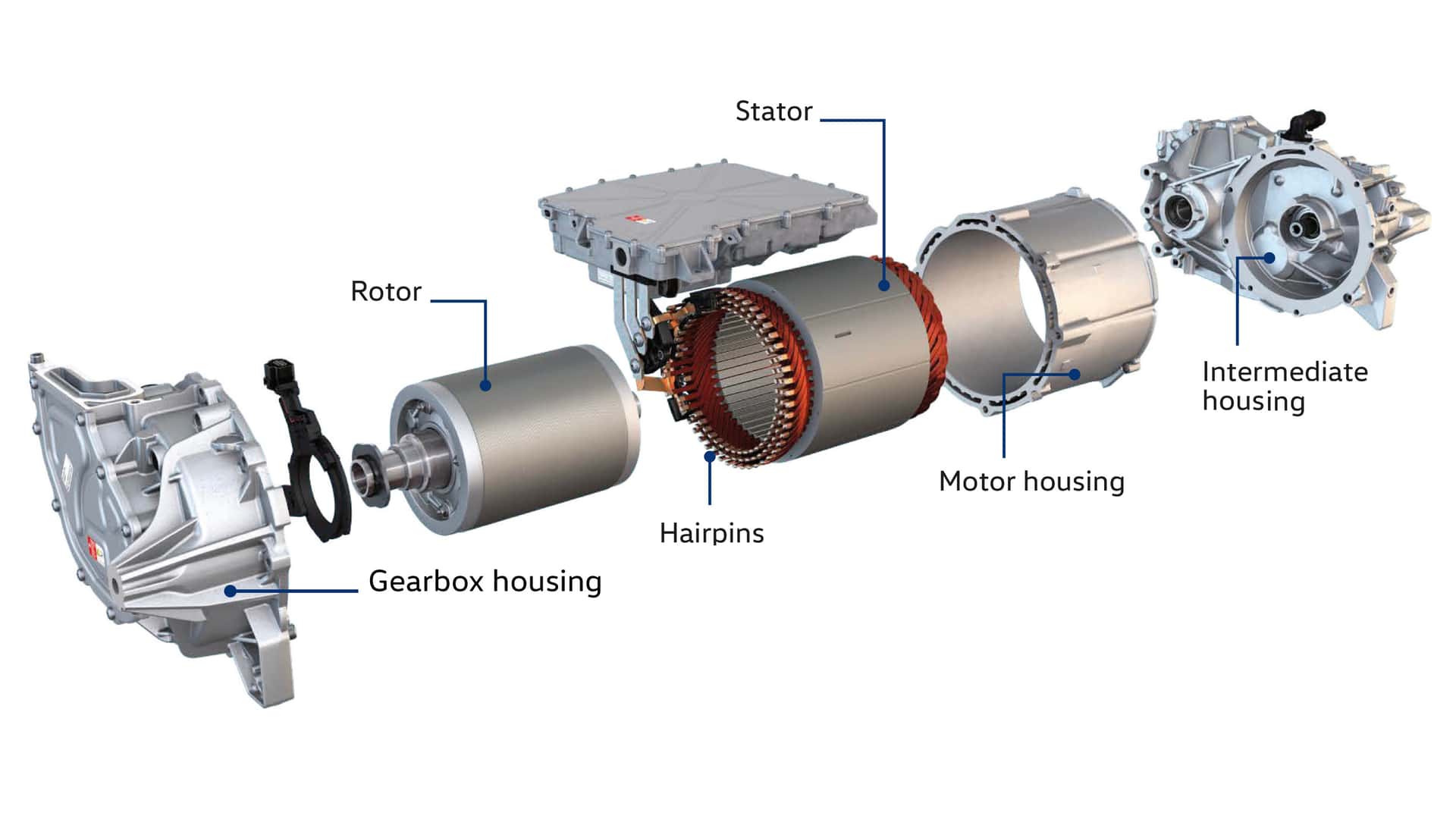
Electric vehicles (EVs) utilize various motor types, each with distinct characteristics that affect performance, efficiency, and sourcing. The main types of motors used in EVs are permanent magnet synchronous motors (PMSMs), induction motors, and electrically excited synchronous motors (EESMs). Understanding these differences is crucial for potential buyers and owners looking to make informed decisions about their vehicles.
What changed
The landscape of EV motors is evolving, with manufacturers increasingly exploring alternatives to traditional permanent magnet motors. While PMSMs are widely used due to their efficiency and compact design, they often rely on rare earth elements for their powerful magnets. This reliance can lead to supply chain issues and price volatility. In contrast, induction motors and EESMs provide viable alternatives that do not depend on rare earth materials, potentially offering more stable sourcing options.
Why it matters for buyers and owners
- Efficiency and Performance: PMSMs are known for their high efficiency, making them a popular choice for main drive motors in EVs. However, the heat generated by induction motors can reduce efficiency, which buyers should consider when evaluating performance.
- Cost Implications: The sourcing of rare earth materials can impact the overall cost of vehicles equipped with PMSMs. Induction motors, which avoid these materials, may lead to lower production costs, potentially benefiting consumers.
- Driving Experience: Different motor types can influence the driving experience. For instance, induction motors can provide additional traction and performance in all-wheel-drive setups, while PMSMs are efficient during regular driving conditions.
Key details
- Permanent Magnet Motors: These motors use magnets embedded in the rotor to create a magnetic field, providing high efficiency and power density. However, they are subject to the challenges of sourcing rare earth elements.
- Induction Motors: Known for their robustness, these motors use conductive bars instead of magnets, generating torque through induced current. They can be less efficient but offer advantages in certain driving scenarios.
- Electrically Excited Motors: These motors utilize electromagnets, allowing for adjustable power output. While they avoid rare earths, they add complexity and consume electricity to maintain the magnetic field.
What to watch next
As EV technology continues to advance, the development of new motor types and designs will likely influence the market. Buyers should stay informed about innovations in motor technology, as they can significantly impact vehicle performance, cost, and efficiency. Additionally, manufacturers' approaches to sourcing materials will be crucial in determining the future landscape of EV motors.
Sources
1 media- [1]Every EV Motor Type Explained: Not All EV Motors Needs Rare Earth MagnetsMedia
InsideEVs · insideevs.com · published Nov 17
Newsletter
Weekly EV signal. No spam.
Comments
Log in with
Loading comments…