Ultium Cells to Produce LMR Prismatic Battery Cells in Tennessee for GM EVs
Ultium Cells LLC, a joint venture between General Motors and LG Energy Solution, has announced plans to manufacture lithium manganese rich (LMR) prismatic battery cells at its facility in Spring Hill, Tennessee. This production aims to support future electric vehicles (EVs) from GM, enhancing the company's battery technology capabilities. Specific details regarding production timelines and the impact on vehicle pricing remain unclear.

Key takeaways
30-second read- 1The introduction of LMR prismatic cells could lead to improved battery performance and efficiency in future GM EVs.
- 2Local production may reduce supply chain issues and potentially lower costs for consumers.
- 3As GM expands its EV offerings, buyers could benefit from enhanced range and charging capabilities.
Confirmed
No official source linked yet
Reported
Secondary reporting: CleanTechnica
Verify yourself
Eligibility, local prices and dates for your car, state or utility
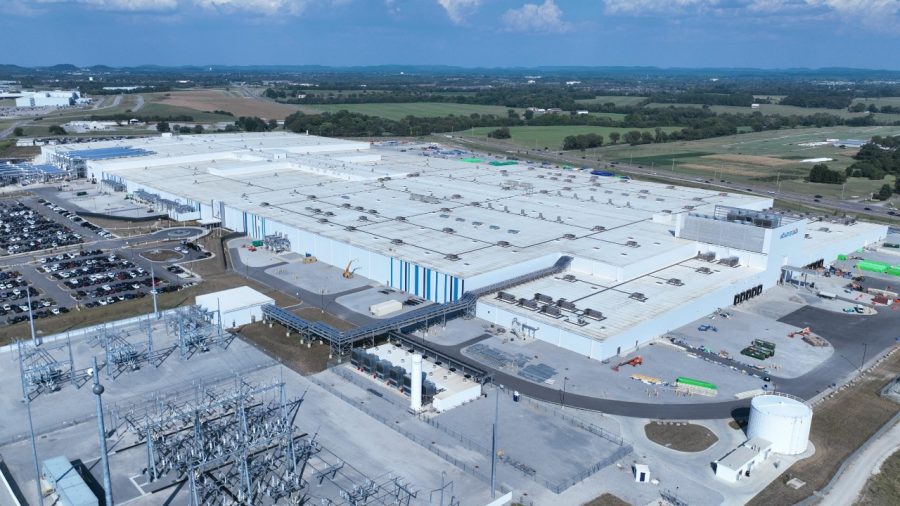
Ultium Cells to Produce LMR Prismatic Battery Cells in Tennessee
Ultium Cells LLC has officially announced plans to begin production of lithium manganese rich (LMR) prismatic battery cells at its facility in Spring Hill, Tennessee. This development is part of a strategic initiative to bolster General Motors' (GM) electric vehicle (EV) offerings and enhance battery technology capabilities.
What Changed
The key change is the establishment of LMR prismatic battery cell production in Tennessee, which marks a significant step for Ultium Cells, a joint venture between GM and LG Energy Solution. This facility, located just outside Nashville, is expected to play a crucial role in supplying batteries for future GM electric vehicles. However, specific timelines for the commencement of production and the exact models that will utilize these new cells have not been disclosed.
Why It Matters for Buyers and Owners
-
Improved Battery Performance: The introduction of LMR prismatic cells is anticipated to enhance the performance and efficiency of GM's future electric vehicles, potentially leading to longer ranges and faster charging times.
-
Local Production Benefits: By producing these battery cells locally in Tennessee, GM may mitigate some supply chain challenges that have affected the automotive industry, which could lead to more stable pricing for consumers.
-
Expanded EV Offerings: As GM ramps up its EV production, buyers can expect a broader range of options, which may include vehicles with advanced battery technologies that improve day-to-day usability and ownership costs.
Key Details from Source Material
According to CleanTechnica, the announcement highlights Ultium Cells' commitment to advancing battery technology as part of GM's broader electrification strategy. The Spring Hill facility is expected to be a pivotal site for the production of these advanced battery cells, which are designed to enhance the performance of GM's upcoming electric vehicle models. The move aligns with the industry's shift towards more sustainable and efficient battery solutions, particularly as demand for EVs continues to rise.
While the announcement is promising, it is important to note that further details regarding production timelines, specific vehicle models that will utilize these new battery cells, and their impact on pricing are still pending. This information will be crucial for potential buyers and current EV owners looking to understand how these developments may affect their options in the market.
What to Watch Next
As Ultium Cells moves forward with its plans, stakeholders should keep an eye on updates regarding the production timeline and the specific electric vehicle models that will benefit from this new battery technology. Additionally, any announcements regarding pricing strategies or partnerships that may emerge as a result of this development will be significant for both buyers and the broader EV market. The evolution of battery technology is a critical factor in the ongoing transition to electric mobility, and developments from Ultium Cells will be closely monitored by industry experts and consumers alike.
Sources
1 media- [1]Ultium Cells to Bring LMR Prismatic Battery Cell Production to Tennessee for Future GM EVsMedia
CleanTechnica · cleantechnica.com · published Oct 19
Newsletter
Weekly EV signal. No spam.
Comments
Log in with
Loading comments…


