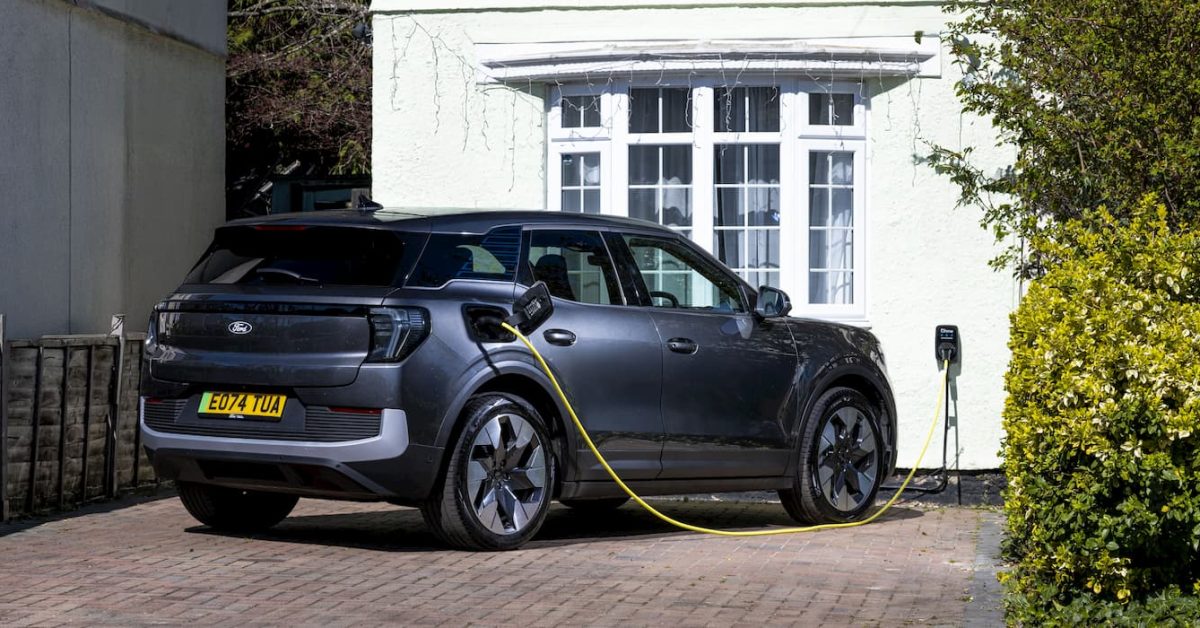
UK BEVs Lead Market Sales in August Amid Target Rollback Discussions
Updated September 3, 2026
3 min read
1 linked source
In August, battery electric vehicles (BEVs) accounted for 30% of the UK car market, surpassing all other powertrains and increasing from 23% the previous year. Despite this positive trend, the UK government is contemplating a reduction of its ambitious target for 80% EV sales by 2030, raising concerns among stakeholders about the future of electric vehicle adoption.
Share this story
Why it matters
- ✓Potential rollback of EV sales targets may slow the momentum of BEV adoption, affecting future availability and incentives for buyers.
- ✓Changes in government policy could impact the pricing and financial viability of owning an electric vehicle.
- ✓Uncertainty around charging infrastructure development could hinder the day-to-day use of BEVs for current and prospective owners.
Reporting notes
EV Signal briefs are written to explain the verified change first, then add the context EV buyers and owners need to understand cost, availability, charging access, eligibility, or ownership impact.
If details are still developing, we try to say what is confirmed, what comes from secondary reporting, and what readers should verify before acting.
Source mix
1 linked source
1 media
Reviewed from: Electrek.
UK BEVs Lead Market Sales in August Amid Target Rollback Discussions
In a significant development for the electric vehicle (EV) market, battery electric vehicles (BEVs) outsold every other powertrain in the UK during August 2023, capturing 30% of the market share. This marks an increase from 23% in the same month last year, indicating a robust growth trajectory for BEVs. However, despite these promising sales figures, the UK government is reportedly considering rolling back its ambitious target of achieving 80% EV sales by 2030. This potential policy shift raises questions about the future of electric vehicle adoption in the country.
What Changed
The August sales data reveals that BEVs are not only leading in market share but are also significantly ahead of the pace needed to meet the UK’s current EV sales target. The increase from 23% to 30% in just one year suggests a growing acceptance and demand for electric vehicles among consumers. However, the government's contemplation of softening its targets could undermine this momentum, potentially impacting both current and future EV buyers.
Why It Matters for Buyers and Owners
The possible rollback of EV sales targets could have several implications for buyers and owners of electric vehicles:
- Market Momentum: A reduction in targets may slow the current momentum of BEV adoption, leading to fewer incentives for consumers to switch from traditional vehicles to electric ones.
- Pricing and Financial Viability: Changes in government policy could affect the pricing structure of electric vehicles, making them less financially attractive for potential buyers.
- Charging Infrastructure: Uncertainty surrounding the government's commitment to EV targets may hinder the development of necessary charging infrastructure, which is crucial for the day-to-day use of BEVs.
Key Details from Source Material
According to Electrek, the sales figures for August indicate a strong performance for BEVs, which have become the most common powertrain in the UK market. This growth is crucial as it aligns with the broader goals of reducing carbon emissions and promoting sustainable transportation. However, the discussion around rolling back the 80% target raises concerns about the government's long-term commitment to these goals. Stakeholders are left wondering why, despite positive sales trends, the government would consider such a rollback.
What to Watch Next
As discussions around the potential rollback of EV sales targets continue, it will be important to monitor the government's official statements and any proposed changes to policy. Stakeholders, including consumers, manufacturers, and environmental advocates, will be keenly observing how these developments unfold and what they mean for the future of electric vehicles in the UK. Additionally, any updates regarding charging infrastructure investments and incentives for EV buyers will be critical in shaping the landscape for electric vehicle ownership moving forward.
Sources
These are the documents and reports used to build this brief so readers can verify the story directly.
Comments
Log in with
Loading comments…
More in Ownership
Tesla's Lawyers Misled Witness in Racism Trial
Tesla's ongoing racism trial in California has faced significant setbacks as it was revealed that a…
18h ago

Rivian R2 Faces First Recall Due to Camera Issue
Rivian has issued a recall affecting nearly 99,000 vehicles, including some of its new R2 models,…
18h ago
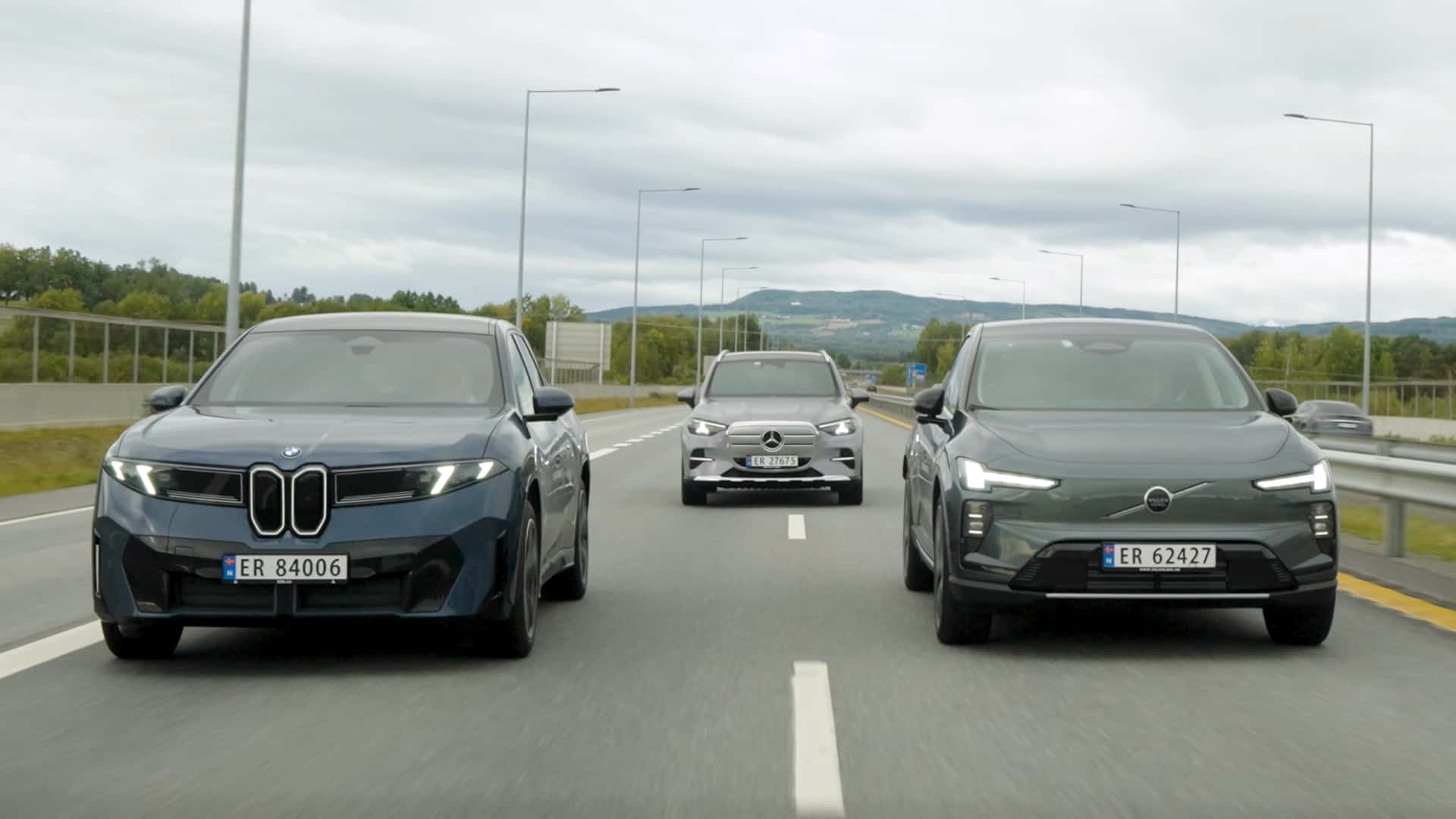
BMW iX3 Outperforms Mercedes GLC and Volvo EX60 in Highway Efficiency Test
In a recent highway test, the BMW iX3 demonstrated superior energy efficiency and range compared to…
1d ago
PHEV Batteries Show Resilience Despite Frequent Cycling
Plug-in hybrid electric vehicles (PHEVs) experience more frequent battery cycling than fully…
1d ago