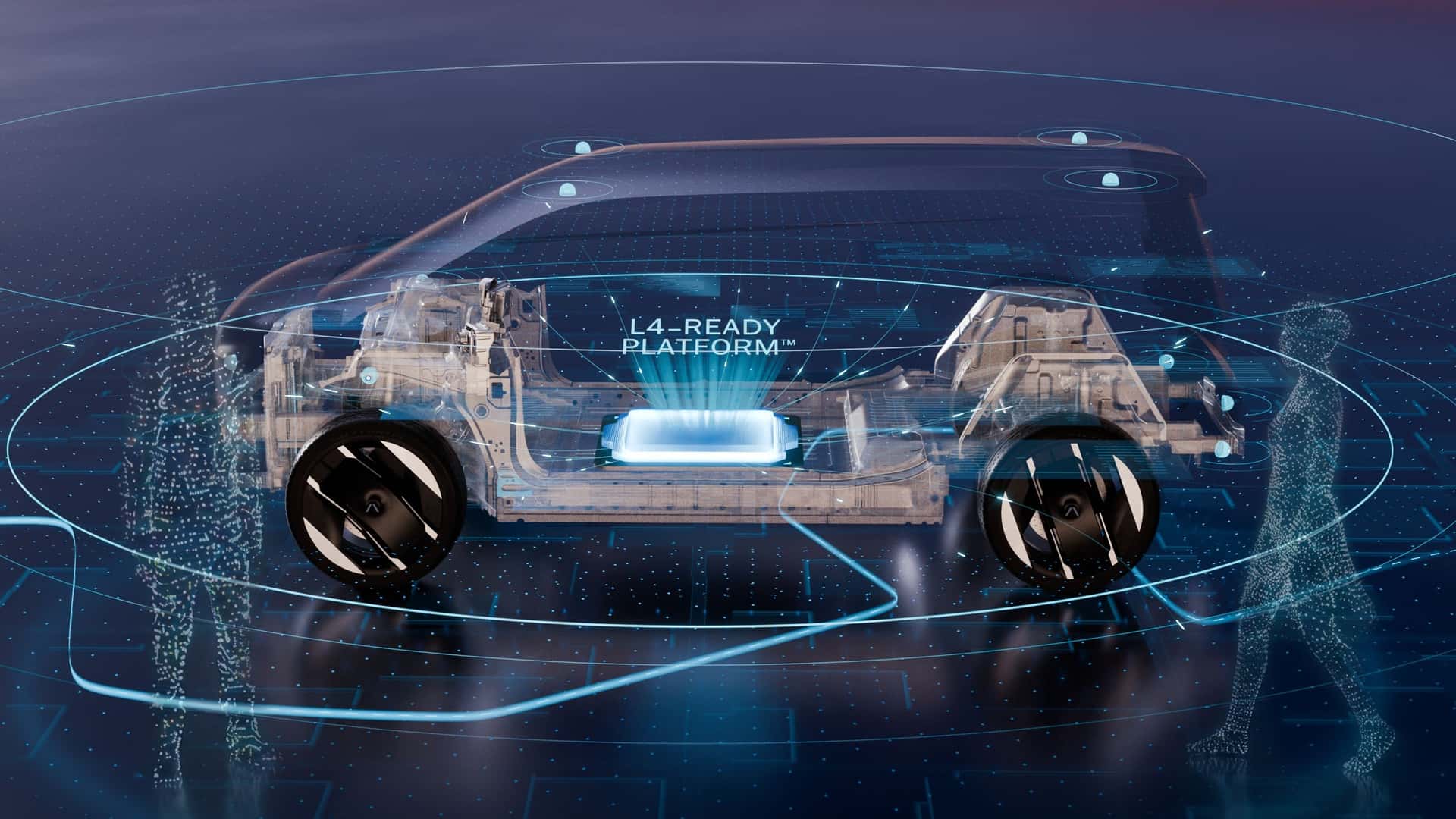
Uber Partners with Stellantis and Wayve for Global Robotaxi Initiative
Updated June 18, 2026
3 min read
1 linked source
Uber has expanded its collaboration with Stellantis and Wayve to develop a global robotaxi service. This partnership aims to enhance the deployment of autonomous vehicles in urban areas, though specific timelines and operational details remain unclear. The initiative could significantly impact urban mobility and the future of transportation.
Share this story
Why it matters
- ✓Potential for reduced transportation costs as robotaxis may offer cheaper alternatives to traditional ride-hailing services.
- ✓Increased availability of autonomous vehicles could enhance mobility options for EV buyers and owners in urban settings.
- ✓The success of this initiative may influence the development of charging infrastructure tailored for autonomous fleets.
Reporting notes
EV Signal briefs are written to explain the verified change first, then add the context EV buyers and owners need to understand cost, availability, charging access, eligibility, or ownership impact.
If details are still developing, we try to say what is confirmed, what comes from secondary reporting, and what readers should verify before acting.
Source mix
1 linked source
1 media
Reviewed from: InsideEVs.
Uber Partners with Stellantis and Wayve for Global Robotaxi Initiative
Uber has announced a new partnership with Stellantis and Wayve aimed at creating a global robotaxi service. This collaboration marks a significant step in Uber's ongoing efforts to integrate autonomous vehicle technology into its ride-hailing platform. While the partnership is poised to enhance the deployment of robotaxis, specific operational details, including timelines and geographical coverage, have yet to be confirmed.
What Changed
Uber has been actively seeking partnerships to bolster its robotaxi capabilities, and the addition of Stellantis and Wayve to its roster signals a commitment to expanding autonomous vehicle services. Stellantis, a major player in the automotive industry, is expected to contribute its expertise in vehicle manufacturing and technology, while Wayve specializes in AI-driven autonomous driving solutions. This collaboration aims to leverage the strengths of each company to create a robust robotaxi network.
Why It Matters for Buyers and Owners
-
Cost-Effective Transportation: The introduction of robotaxis could lead to lower transportation costs for users, as autonomous vehicles may operate at a lower cost than traditional ride-hailing services. This could make urban transportation more affordable for EV buyers and owners.
-
Enhanced Mobility Options: As robotaxis become more prevalent, they could provide additional mobility options for urban residents, particularly for those who may not own a vehicle. This could be especially beneficial for EV owners looking for convenient transportation alternatives.
-
Influence on Charging Infrastructure: The success of the robotaxi initiative may drive the development of specialized charging infrastructure to support autonomous fleets, potentially improving charging access for all EV users in urban areas.
Key Details from Source Material
According to InsideEVs, Uber has been strategically aligning itself with various robotaxi initiatives over the past year. The partnership with Stellantis and Wayve is part of a broader trend where major companies are investing in autonomous vehicle technology to reshape urban mobility. While the collaboration is promising, the article notes that many details regarding the implementation and operational framework are still under discussion, leaving some uncertainty about how quickly these services will become available.
What to Watch Next
As this partnership develops, it will be important to monitor announcements from Uber, Stellantis, and Wayve regarding specific timelines for the rollout of robotaxi services. Additionally, updates on regulatory approvals and the establishment of necessary infrastructure will be crucial for understanding the feasibility and accessibility of these autonomous services. Stakeholders in the EV market should pay attention to how this initiative may influence the broader landscape of urban transportation and charging infrastructure in the coming years.
Sources
These are the documents and reports used to build this brief so readers can verify the story directly.
- Uber, Stellantis, And Wayve Want To Blanket The World In Robotaxis — InsideEVsMEDIA
Comments
Log in with
Loading comments…
More in Ownership
Tesla's Lawyers Misled Witness in Racism Trial
Tesla's ongoing racism trial in California has faced significant setbacks as it was revealed that a…
18h ago
Rivian R2 Faces First Recall Due to Camera Issue
Rivian has issued a recall affecting nearly 99,000 vehicles, including some of its new R2 models,…
18h ago
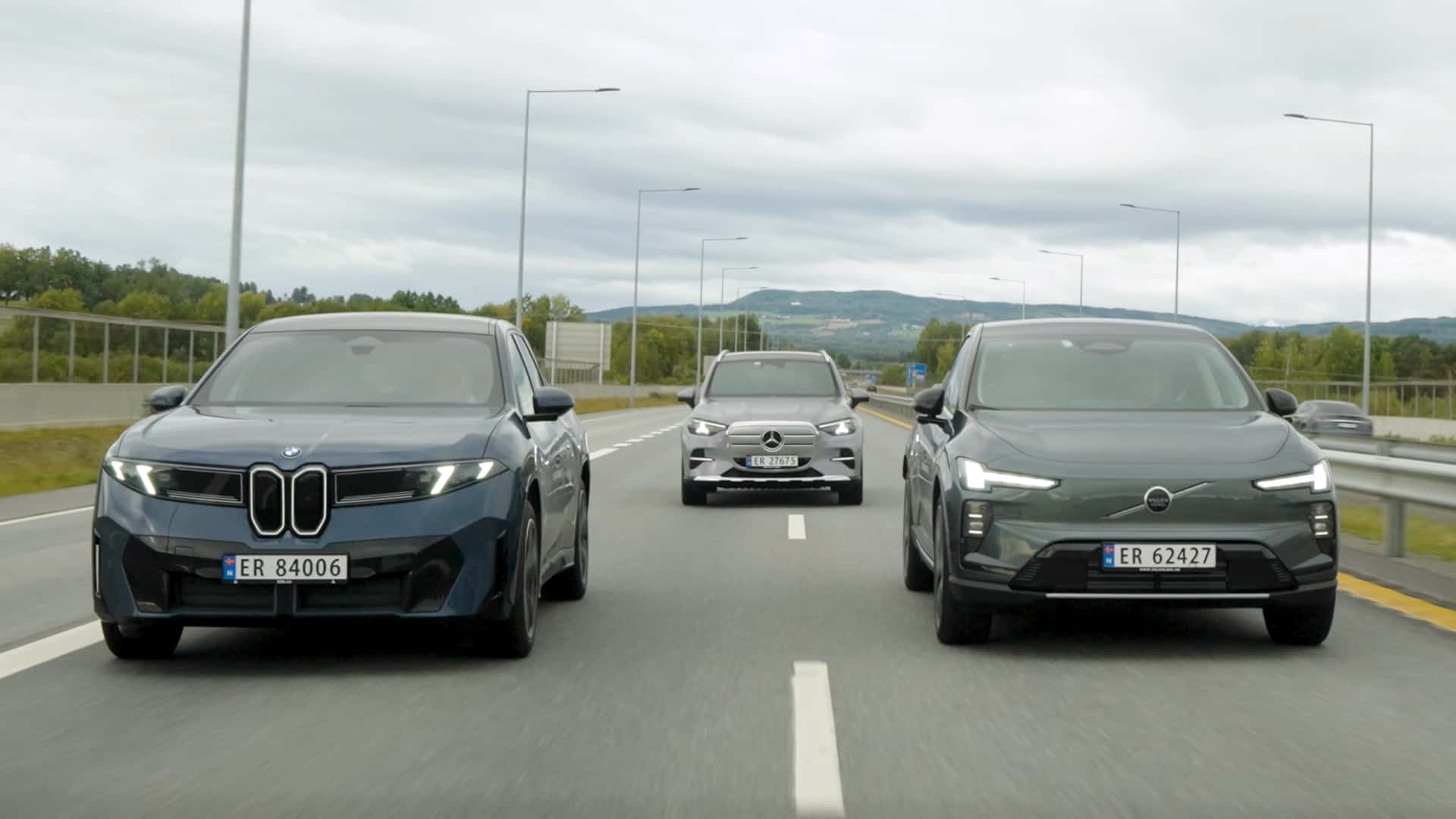
BMW iX3 Outperforms Mercedes GLC and Volvo EX60 in Highway Efficiency Test
In a recent highway test, the BMW iX3 demonstrated superior energy efficiency and range compared to…
1d ago

PHEV Batteries Show Resilience Despite Frequent Cycling
Plug-in hybrid electric vehicles (PHEVs) experience more frequent battery cycling than fully…
1d ago