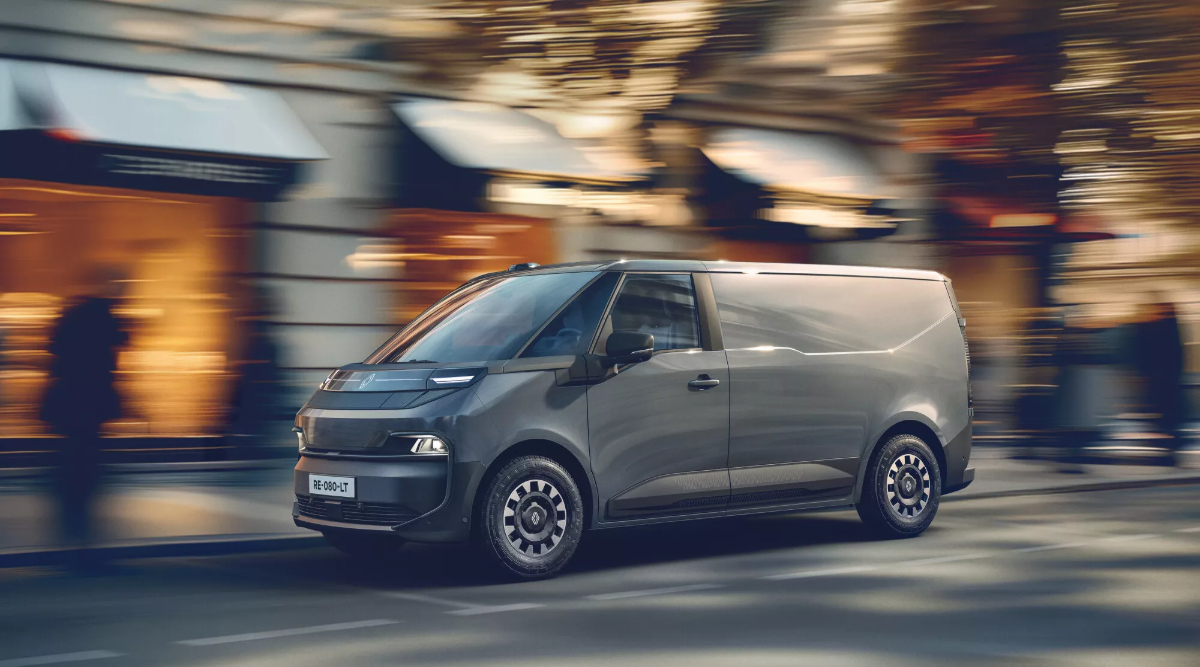
Uber Drivers Increasingly Choose EVs Amid High Gas Prices
As of September, 434,000 Uber drivers are using electric vehicles (EVs), a 28% increase since the first quarter of the year. This shift is largely driven by high gasoline prices, which have remained above $4 per gallon for most of the year. However, access to charging has become the primary barrier to further EV adoption among drivers.

Key takeaways
30-second read- 1High gas prices are pushing more Uber drivers to consider EVs, potentially lowering their operating costs.
- 2The increase in EV adoption could lead to more sustainable ride-hailing options, appealing to eco-conscious riders.
- 3Uber is exploring solutions to improve charging access, which could enhance the feasibility of EVs for drivers.
Confirmed
No official source linked yet
Reported
Secondary reporting: Canary Media
Verify yourself
Eligibility, local prices and dates for your car, state or utility
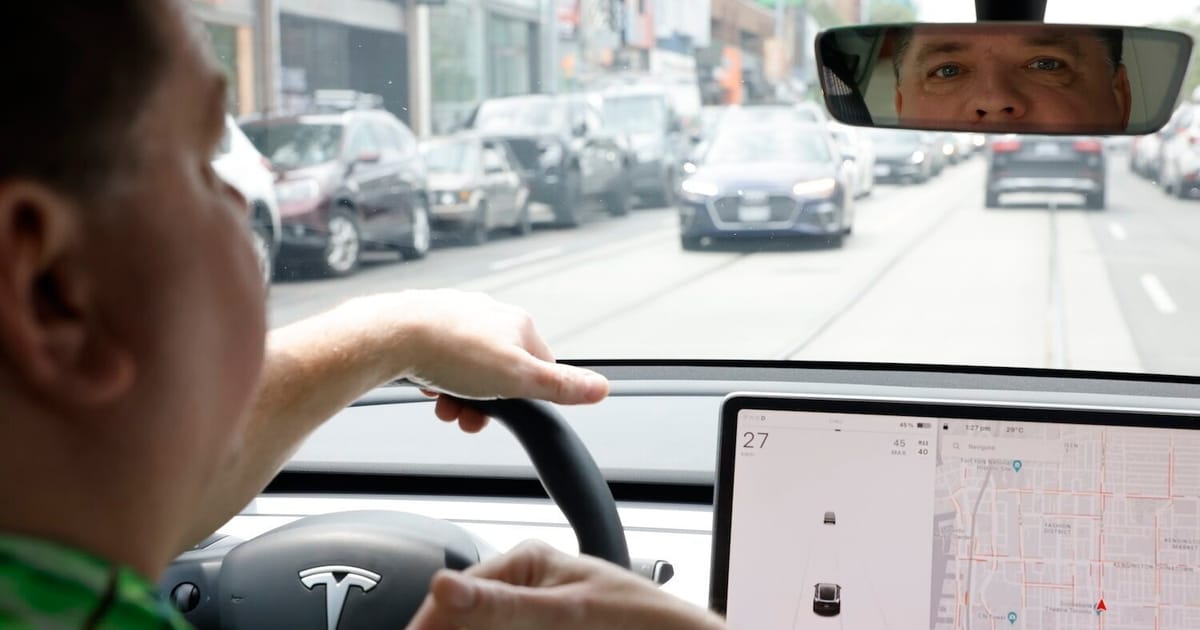
As of September, Uber has reported a significant increase in the number of electric vehicles (EVs) used by its drivers, with 434,000 drivers now operating electric cars. This marks a 28% rise since the first quarter of the year, driven largely by soaring gasoline prices that have remained above $4 per gallon for much of 2023. The trend indicates that economic pressures are influencing driver choices, as many Uber drivers face the reality of high fuel costs that impact their earnings.
What changed
The rise in EV adoption among Uber drivers is notable, with electric cars now accounting for one in ten miles driven by U.S. Uber drivers. In Europe, the adoption rate is even higher, with EVs making up one in five miles driven. This shift has been facilitated by the ongoing increase in gasoline prices, which have made traditional combustion-engine vehicles less economically viable for drivers who often fill up multiple times a day. The data shows that from April through September, U.S. Uber drivers set consecutive monthly records for miles driven in electric vehicles.
Why it matters for buyers and owners
- Cost Savings: The total cost of ownership for EVs can be lower than that of gasoline vehicles, particularly as fuel prices rise. This makes EVs an attractive option for drivers looking to maximize their earnings.
- Sustainability: Increased EV adoption contributes to a reduction in carbon emissions from ride-hailing services, aligning with broader environmental goals.
- Charging Access: Uber's findings indicate that access to charging stations has become a significant barrier to EV adoption, surpassing the initial purchase cost of the vehicles. This highlights the need for improved infrastructure to support EV drivers.
Key details
Uber's global count of zero-emission trips has risen by 34% since the first quarter, totaling 207 million trips. Cities like Amsterdam, London, and Vancouver are leading in EV miles driven on the platform, with over 50%, 40%, and 35% respectively. Despite the positive trends, Uber's goal of achieving a fully electric fleet by 2030 appears increasingly challenging without coordinated industry and policy actions.
What to watch next
As Uber continues to track EV adoption, the company is exploring ways to enhance charging access for drivers. This includes testing software in France that helps drivers locate affordable charging stations. The ongoing evolution of fuel prices and the development of EV infrastructure will be critical in determining the future landscape of ride-hailing services and their environmental impact.
Sources
1 media- [1]Uber drivers are flocking to EVs amid high gas pricesMedia
Canary Media · canarymedia.com · published Nov 25
Newsletter
Weekly EV signal. No spam.
Comments
Log in with
Loading comments…