Trump Open to Chinese EVs if Produced Domestically
Updated September 15, 2026
3 min read
1 linked source
President Trump has expressed a willingness to accept Chinese electric vehicles (EVs) in the U.S. market, provided they are manufactured domestically. However, current laws present significant challenges to this possibility. This statement affects potential EV buyers and the broader automotive market as the landscape for EV production evolves.
Share this story
Why it matters
- ✓If domestic production of Chinese EVs becomes viable, it could lead to more affordable options for consumers.
- ✓Increased competition in the EV market may drive innovation and improve the overall quality of vehicles available to buyers.
- ✓Changes in manufacturing laws could impact the availability and variety of EVs, influencing buyer choices.
Reporting notes
EV Signal briefs are written to explain the verified change first, then add the context EV buyers and owners need to understand cost, availability, charging access, eligibility, or ownership impact.
If details are still developing, we try to say what is confirmed, what comes from secondary reporting, and what readers should verify before acting.
Source mix
1 linked source
1 media
Reviewed from: InsideEVs.
Trump Open to Chinese EVs if Produced Domestically
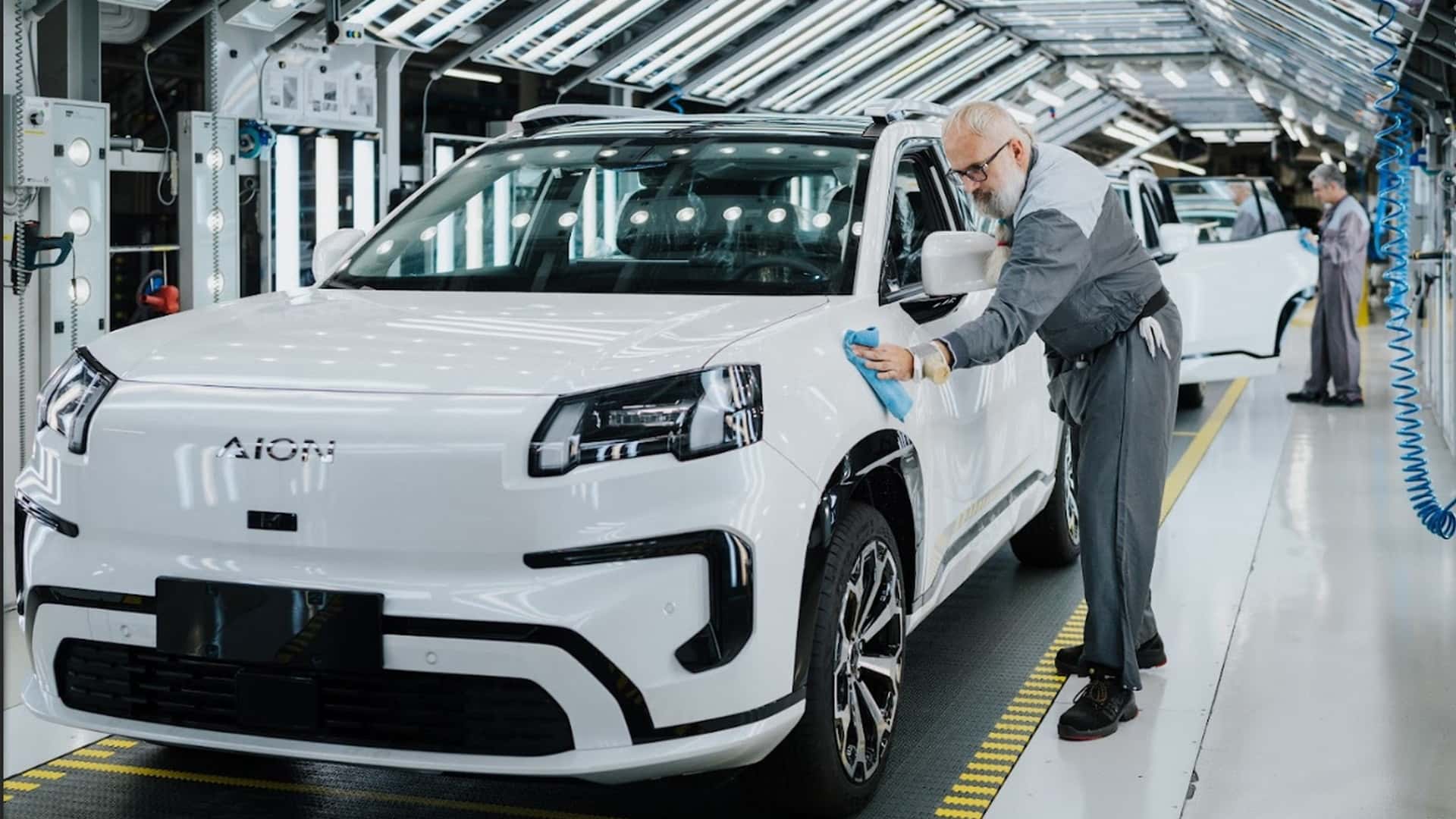
During a recent segment on Fox News, former President Donald Trump stated that he would be open to the idea of Chinese electric vehicles (EVs) entering the U.S. market, but only if they are manufactured within the United States. This statement marks a notable shift in the discussion surrounding foreign EVs, particularly from China, which has been a contentious topic in U.S. trade and automotive policy.
What Changed
Trump's comments indicate a potential willingness to reconsider the barriers currently in place that prevent Chinese EVs from being sold in the U.S. However, he acknowledged that existing laws complicate the feasibility of such an arrangement. This development suggests that there may be future discussions or legislative efforts aimed at revising these laws to facilitate domestic production of foreign vehicles.
Why It Matters for Buyers/Owners
- Potential for More Affordable Options: If Chinese EVs can be manufactured domestically, it could lead to lower prices for consumers, as tariffs and import costs would be reduced.
- Increased Competition: Allowing Chinese EVs into the market could enhance competition, prompting existing manufacturers to innovate and improve their offerings, ultimately benefiting consumers.
- Impact on Availability: Changes in manufacturing laws could expand the variety of EVs available to buyers, providing more choices in terms of features, price points, and technology.
Key Details from Source Material
According to InsideEVs, Trump's remarks highlight a significant shift in the conversation about foreign EVs. While he is open to the idea of Chinese manufacturers entering the U.S. market, he emphasizes the importance of domestic production. This stance reflects broader concerns about job creation and national security in the automotive sector. However, the article notes that current laws make it difficult for foreign manufacturers to set up production facilities in the U.S., which could hinder any immediate changes.
What to Watch Next
As discussions around this topic evolve, it will be important to monitor any legislative proposals aimed at revising the laws governing foreign vehicle production. Additionally, the response from Chinese manufacturers and their willingness to invest in U.S. production facilities will be crucial in determining the future landscape of the EV market. Stakeholders in the automotive industry, including consumers, manufacturers, and policymakers, should keep an eye on developments in this area as they could significantly impact the availability and pricing of EVs in the near future.
Sources
These are the documents and reports used to build this brief so readers can verify the story directly.
Comments
Log in with
Loading comments…
More in Buying
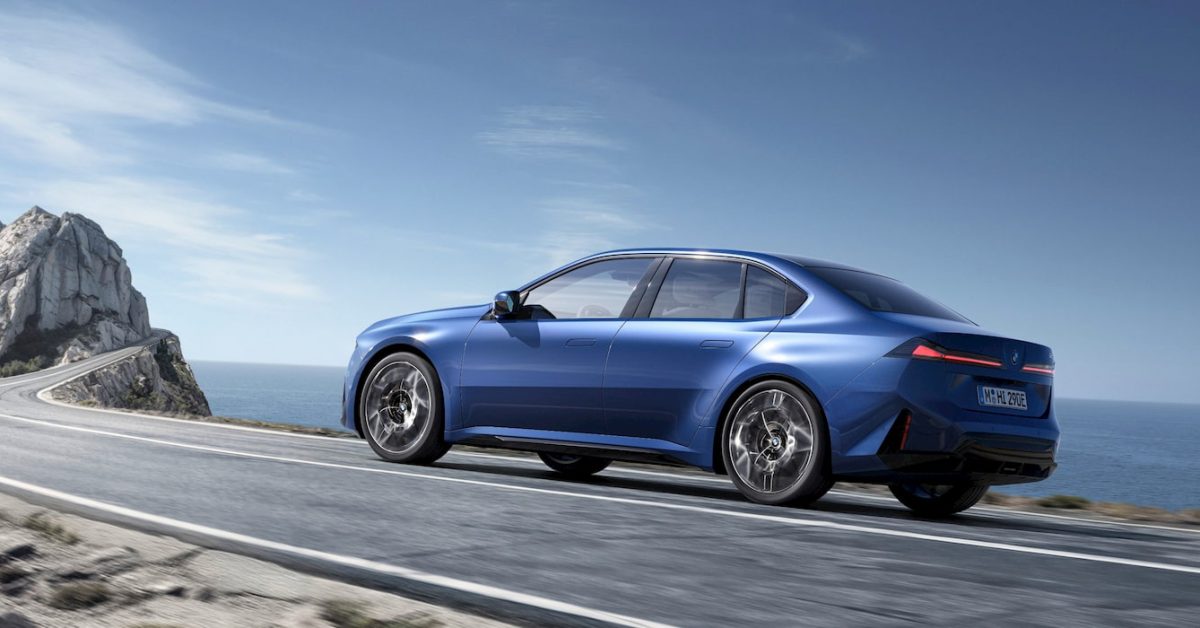
BMW Opens US Reservations for New i3 Ahead of Schedule
BMW has announced that it will open reservations for the new i3 in the United States earlier than…
11h ago
Jackery Explorer 5000 Plus Power Station Discounted by $1,000
The Jackery Explorer 5000 Plus Portable Power Station is now available for $1,499, reflecting a…
17h ago
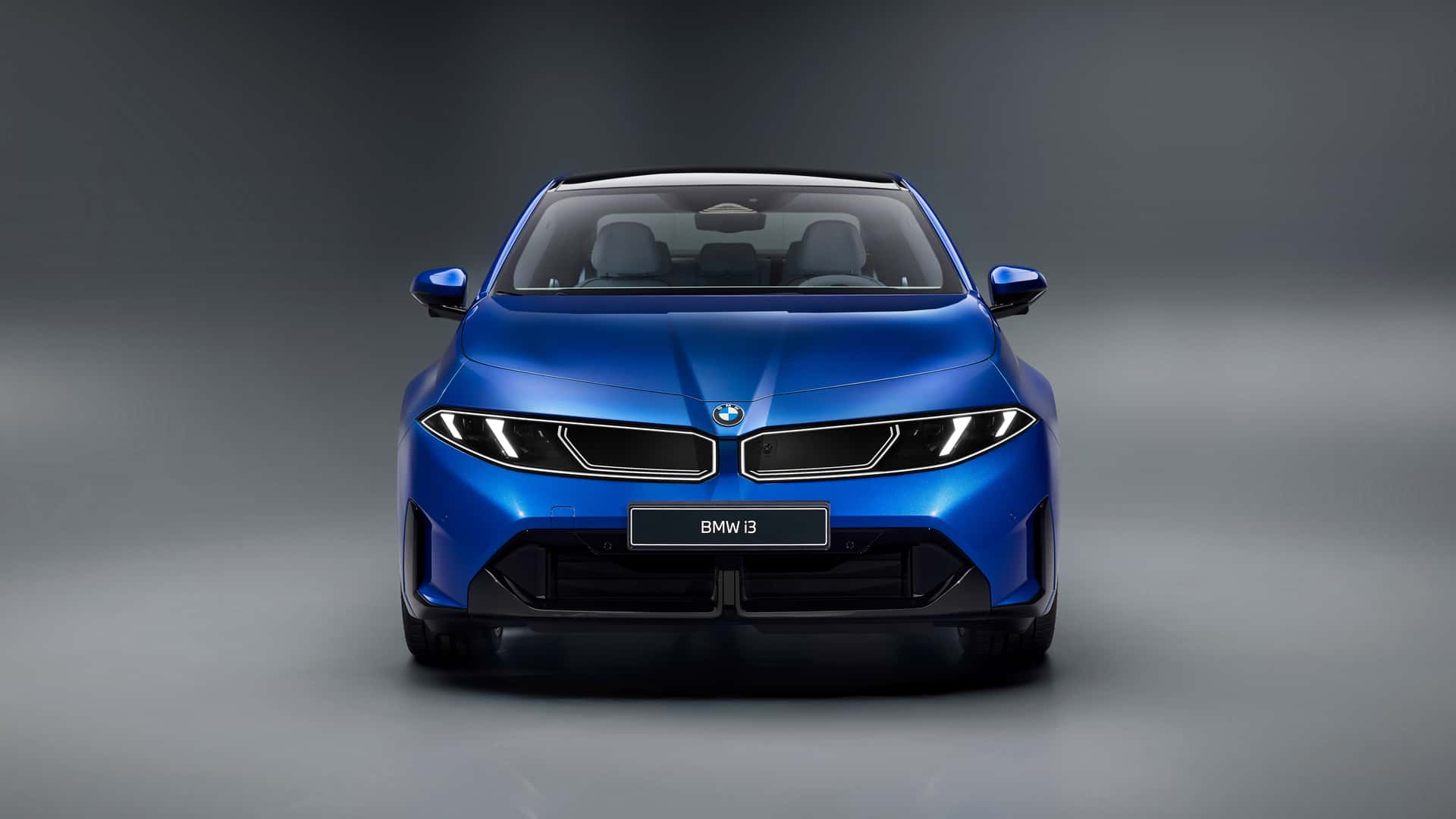
BMW i3 EV Reservations Open Early in the U.S.
BMW has announced that it will begin accepting reservations for the new i3 electric sedan ahead of…
23h ago
Tesla Semi Secures 2,500-Truck Order, Doubling US Electric Class 8 Fleet
Tesla has received a historic order for 2,500 battery-electric trucks from a new shipper alliance…
1d ago