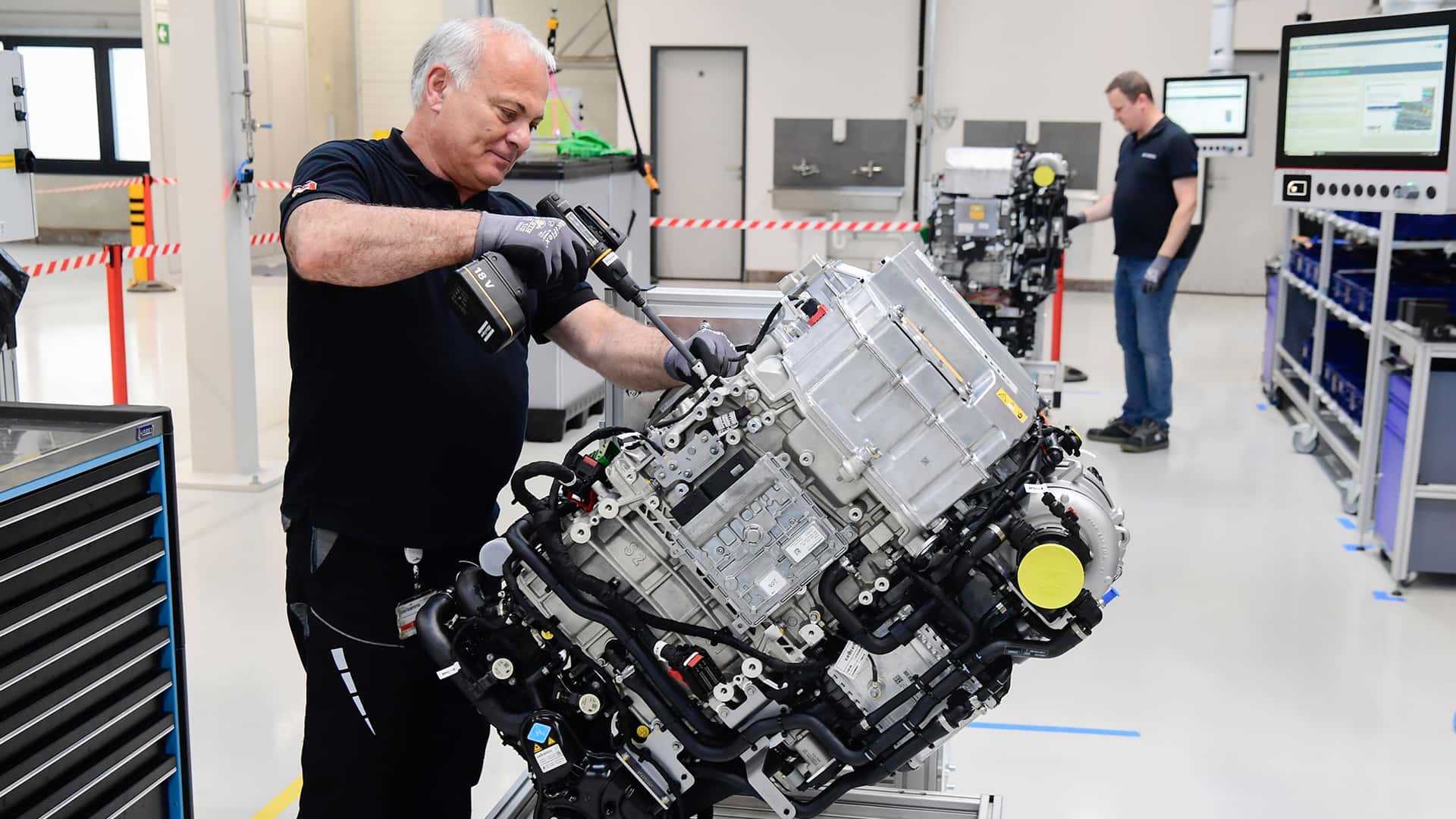
Toyota's Commitment to Hydrogen Fuel Cells Continues Despite Sales Challenges
Updated April 1, 2026
3 min read
1 linked source
Toyota remains invested in hydrogen technology, particularly in applications beyond passenger vehicles. While the Mirai, Toyota's hydrogen fuel cell car, has not achieved significant sales success, the company believes hydrogen has potential in sectors like commercial vehicles and industrial applications. This shift indicates a broader strategy for hydrogen's role in the future of clean energy.
Share this story
Why it matters
- ✓Toyota's focus on hydrogen could lead to more diverse vehicle options for consumers in the future, especially in commercial sectors.
- ✓The continued investment in hydrogen technology may influence the development of infrastructure, which could benefit all EV owners.
- ✓Understanding Toyota's strategy helps buyers and owners anticipate the future landscape of alternative fuel vehicles.
Reporting notes
EV Signal briefs are written to explain the verified change first, then add the context EV buyers and owners need to understand cost, availability, charging access, eligibility, or ownership impact.
If details are still developing, we try to say what is confirmed, what comes from secondary reporting, and what readers should verify before acting.
Source mix
1 linked source
1 media
Reviewed from: InsideEVs.
Toyota's Commitment to Hydrogen Fuel Cells Continues Despite Sales Challenges
Toyota has long been a pioneer in the automotive industry, particularly in the realm of hybrid technology with its Prius model. However, the company's foray into hydrogen fuel cells, exemplified by the Mirai, has not seen the same level of success. Despite this, Toyota remains committed to hydrogen as a viable energy source, albeit with a shift in focus away from passenger vehicles.
The Current State of the Mirai
The Toyota Mirai, which translates to "future" in Japanese, is a hydrogen fuel cell vehicle that has been on the market since 2014. Despite its innovative technology, the Mirai has struggled to gain traction in the consumer market, with sales figures falling short of expectations. This has led to questions about the viability of hydrogen fuel cells in personal transportation.
Toyota acknowledges that while the Mirai is not a best-seller, it sees potential for hydrogen technology in other areas. The company is pivoting its strategy to explore hydrogen applications beyond passenger cars, focusing instead on commercial vehicles and industrial uses.
Shifting Focus to Commercial Applications
Toyota's renewed focus on hydrogen technology is evident in its partnerships and investments aimed at developing fuel cell systems for larger vehicles. The company is exploring hydrogen's potential in sectors such as logistics, where fuel cell technology can provide longer ranges and quicker refueling times compared to battery electric vehicles (BEVs). This shift could lead to the development of hydrogen-powered trucks and buses, which could play a significant role in reducing emissions in the transportation sector.
In addition to commercial vehicles, Toyota is also looking at hydrogen's applications in industrial settings. Hydrogen can be used as a clean energy source for manufacturing processes, potentially reducing the carbon footprint of various industries. By investing in these areas, Toyota aims to position itself as a leader in hydrogen technology, even if passenger vehicles are not the primary focus.
Implications for EV Buyers and Owners
For current and prospective EV buyers and owners, Toyota's commitment to hydrogen technology has several implications:
-
Diverse Vehicle Options: As Toyota explores hydrogen applications in commercial vehicles, consumers may eventually see a wider range of options that include hydrogen-powered trucks and buses. This could provide alternatives to traditional battery electric vehicles, especially in sectors where long-range and quick refueling are critical.
-
Infrastructure Development: Continued investment in hydrogen technology may lead to the development of hydrogen refueling stations, which could benefit all EV owners by expanding the overall infrastructure for alternative fuel vehicles. A robust hydrogen infrastructure could complement existing charging networks, providing more options for consumers.
-
Future Market Landscape: Understanding Toyota's strategy helps buyers and owners anticipate the future landscape of alternative fuel vehicles. As automakers continue to explore various technologies, consumers will have to consider not just battery electric vehicles but also hydrogen-powered options as viable alternatives.
Conclusion
While the Mirai may not have achieved the sales success Toyota hoped for, the company's commitment to hydrogen technology is far from over. By shifting its focus to commercial and industrial applications, Toyota aims to harness the potential of hydrogen as a clean energy source. For EV buyers and owners, this could mean a future with more diverse vehicle options and improved infrastructure, ultimately contributing to a more sustainable transportation ecosystem. As the automotive industry continues to evolve, keeping an eye on developments in hydrogen technology will be essential for consumers navigating the world of alternative fuels.
Sources
These are the documents and reports used to build this brief so readers can verify the story directly.
- Toyota’s Hydrogen Dream Is Far From Over — InsideEVsMEDIA
Comments
Log in with
Loading comments…
More in Models & Pricing
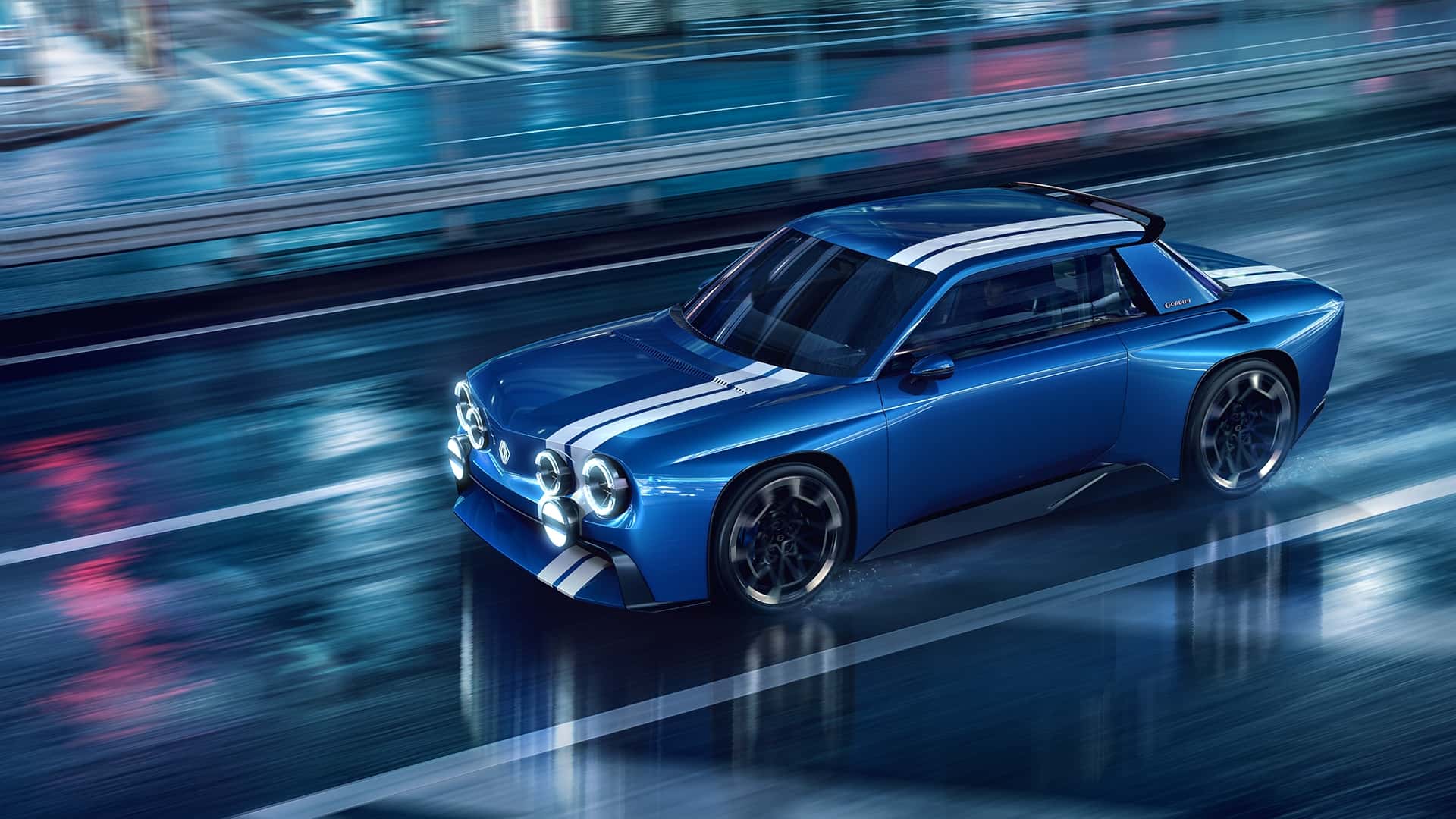
Renault 8 Gordini Returns as Rear-Wheel Drive EV
Renault has unveiled the return of the iconic Renault 8 Gordini as a rear-wheel drive electric…
Just now
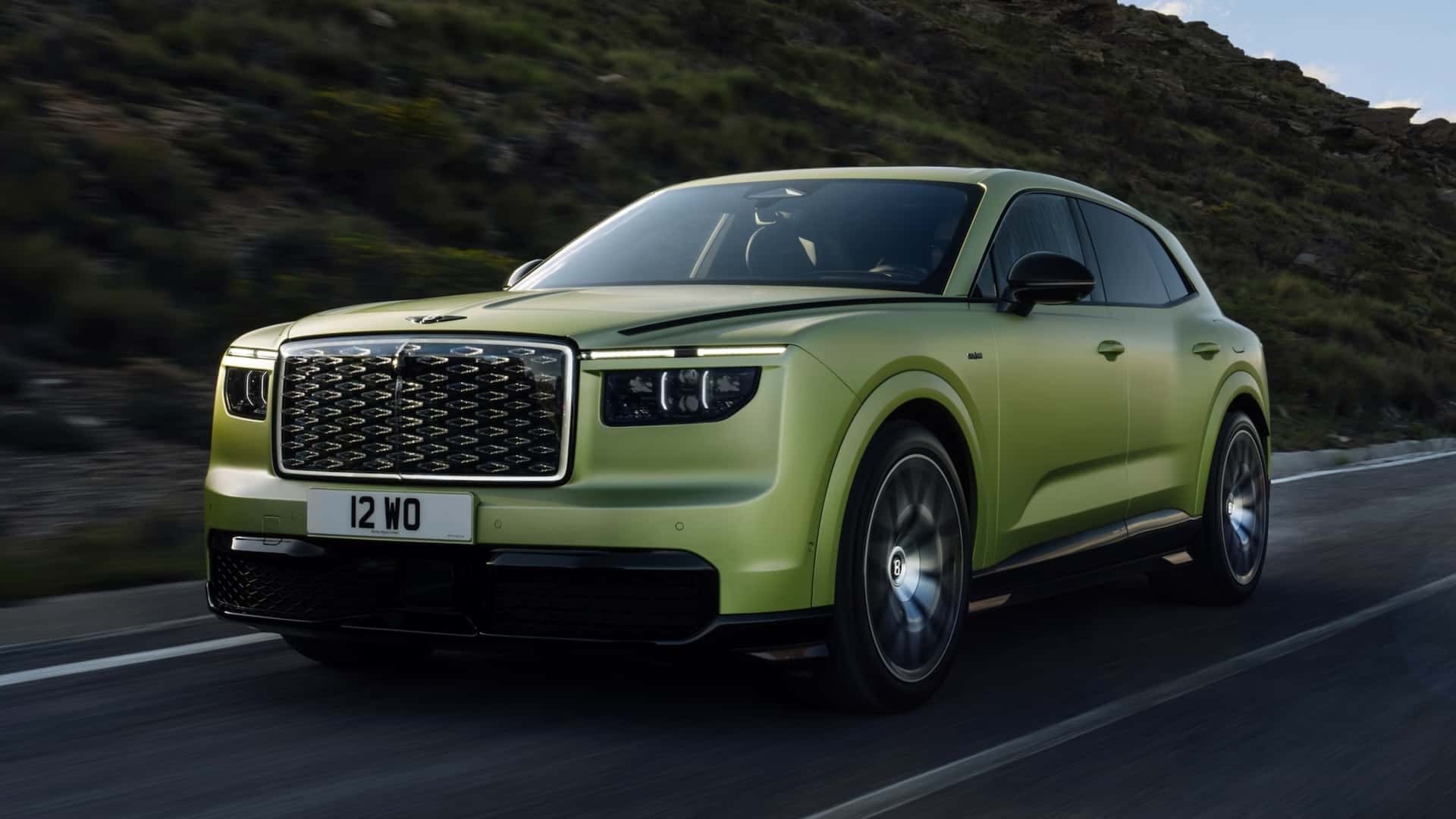
Bentley's First EV, the Torcal, Offers Rapid Charging Capabilities
Bentley has launched its first electric vehicle, the Torcal, a midsize SUV that boasts rapid…
12h ago
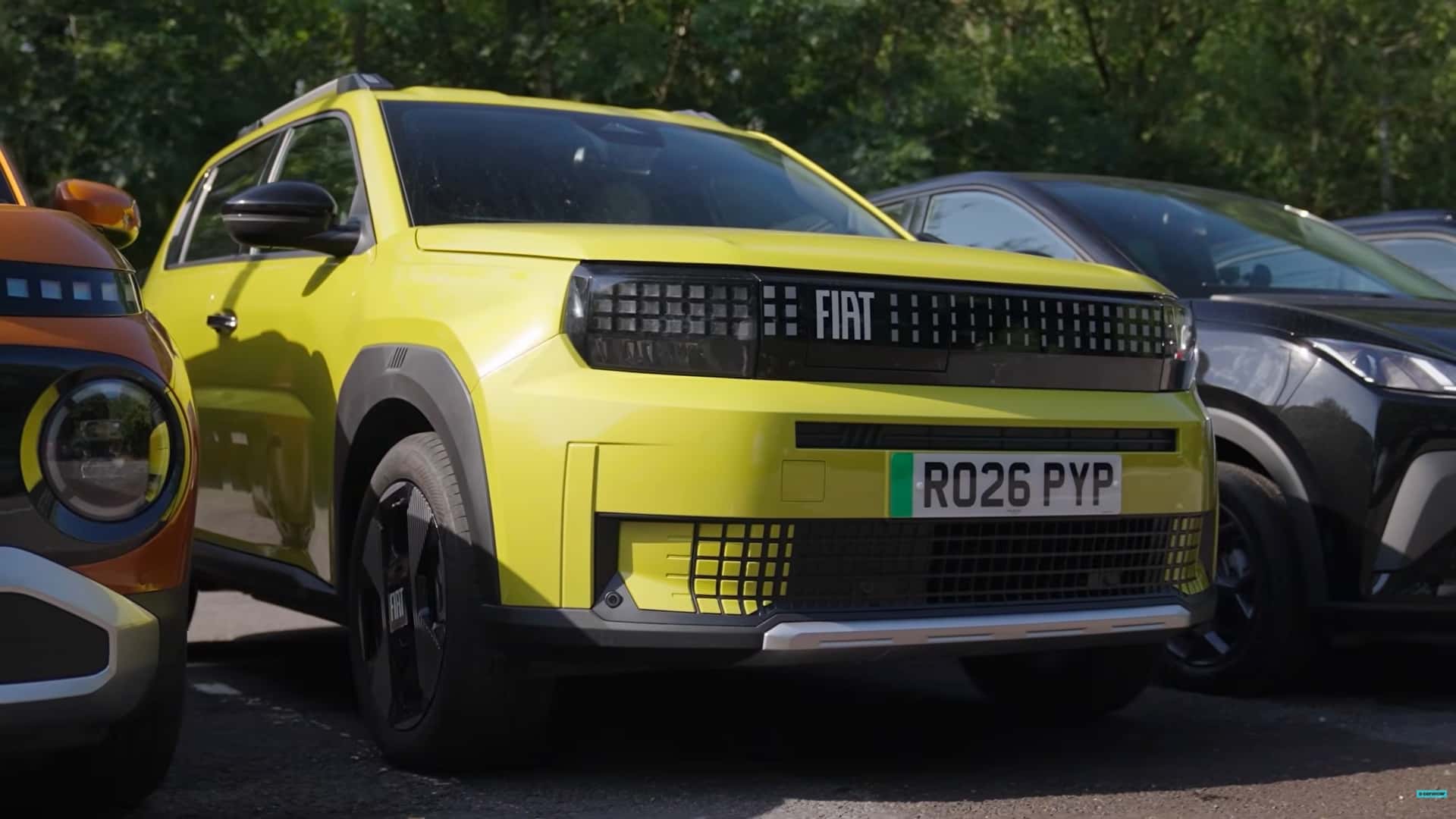
Fiat Grande Panda Outperforms Claimed Range in Real-World Test
In a recent highway range test, the Fiat Grande Panda exceeded its officially claimed range,…
12h ago
Bentley Launches Torcal, Its First All-Electric SUV
Bentley has officially unveiled the Torcal, marking its entry into the electric vehicle market.…
12h ago