Tesla Model S and Model X Production Ceases
Updated April 1, 2026
3 min read
1 linked source
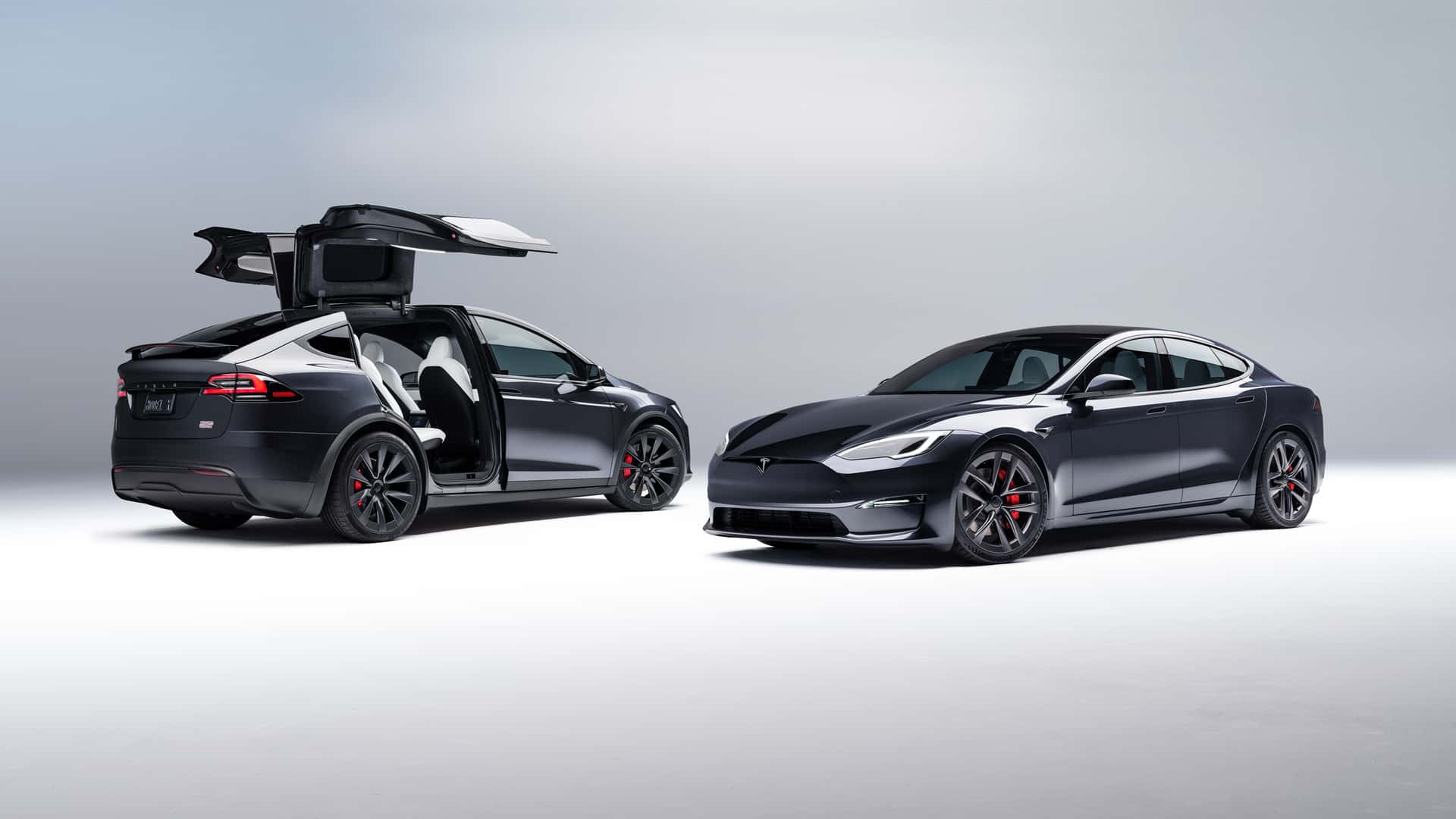
Tesla has officially discontinued the Model S and Model X, marking the end of an era for these pioneering electric vehicles. Both models were known for their impressive range, comfort, and performance, setting benchmarks in the EV market. This decision reflects Tesla's shift in focus towards newer models and technologies.
Share this story
Why it matters
- ✓The discontinuation of the Model S and Model X may influence resale values for existing owners, as these vehicles become less available in the market.
- ✓Potential buyers looking for high-performance electric vehicles will need to consider alternative models or brands, as Tesla shifts its focus.
- ✓This change may signal a broader trend in the EV market, where manufacturers prioritize newer models over established ones.
Reporting notes
EV Signal briefs are written to explain the verified change first, then add the context EV buyers and owners need to understand cost, availability, charging access, eligibility, or ownership impact.
If details are still developing, we try to say what is confirmed, what comes from secondary reporting, and what readers should verify before acting.
Source mix
1 linked source
1 media
Reviewed from: InsideEVs.
Tesla Model S and Model X Production Ceases
Tesla has officially announced the discontinuation of its Model S and Model X vehicles, signaling the end of production for two models that have played a significant role in shaping the modern electric vehicle (EV) landscape. Known for their exceptional range, comfort, and performance, the Model S and Model X have set high standards in the EV market since their introduction.
The Legacy of the Model S and Model X
Launched in 2012 and 2015 respectively, the Model S and Model X were among the first all-electric vehicles to offer long ranges and luxury features, making them popular choices among EV enthusiasts and luxury car buyers alike. The Model S was particularly noted for its impressive acceleration and cutting-edge technology, while the Model X gained attention for its unique falcon-wing doors and spacious interior.
Over the years, both models have undergone numerous updates, enhancing their performance, safety, and technology features. They have been critical in establishing Tesla as a leader in the EV market, influencing other manufacturers to develop their own electric offerings. However, as the automotive industry evolves, Tesla has decided to shift its focus towards newer models and technologies.
Reasons Behind the Discontinuation
While the official reasons for discontinuing the Model S and Model X have not been extensively detailed, it is clear that Tesla is prioritizing its resources towards the development of newer models. The company has been expanding its lineup with vehicles like the Model 3 and Model Y, which have gained significant market traction due to their affordability and practicality compared to the luxury offerings of the Model S and Model X.
Additionally, the automotive landscape is rapidly changing, with increasing competition from both established automakers and new entrants in the EV space. As consumer preferences shift towards more affordable and versatile electric vehicles, Tesla's decision to discontinue its luxury models may reflect a strategic pivot to align with market demands.
Implications for EV Buyers and Owners
The discontinuation of the Model S and Model X carries several implications for current and prospective EV buyers:
-
Resale Values: Existing owners of the Model S and Model X may see fluctuations in their vehicle's resale value. As these models become less available in the market, their rarity could either enhance their value among collectors or lead to depreciation due to the lack of new models.
-
Market Options: Potential buyers looking for high-performance electric vehicles will need to explore alternatives, as Tesla's luxury offerings are no longer available. This could lead consumers to consider other brands that are entering the luxury EV segment, such as Lucid Motors or Rivian.
-
Future Developments: The discontinuation may indicate a broader trend in the EV market where manufacturers prioritize newer models over established ones. Buyers may need to stay informed about upcoming releases and innovations from Tesla and other manufacturers to ensure they make informed purchasing decisions.
Conclusion
The end of the Model S and Model X production marks a significant milestone in Tesla's history and the evolution of electric vehicles. While these models have set high standards for performance and luxury in the EV market, the shift towards newer models reflects the changing landscape of consumer preferences and technological advancements. As Tesla continues to innovate, the focus will likely be on delivering more accessible and versatile electric vehicles that meet the demands of a broader audience.
Sources
These are the documents and reports used to build this brief so readers can verify the story directly.
- The Tesla Model S And Model X Are Officially Dead — InsideEVsMEDIA
Comments
Log in with
Loading comments…
More in Models & Pricing
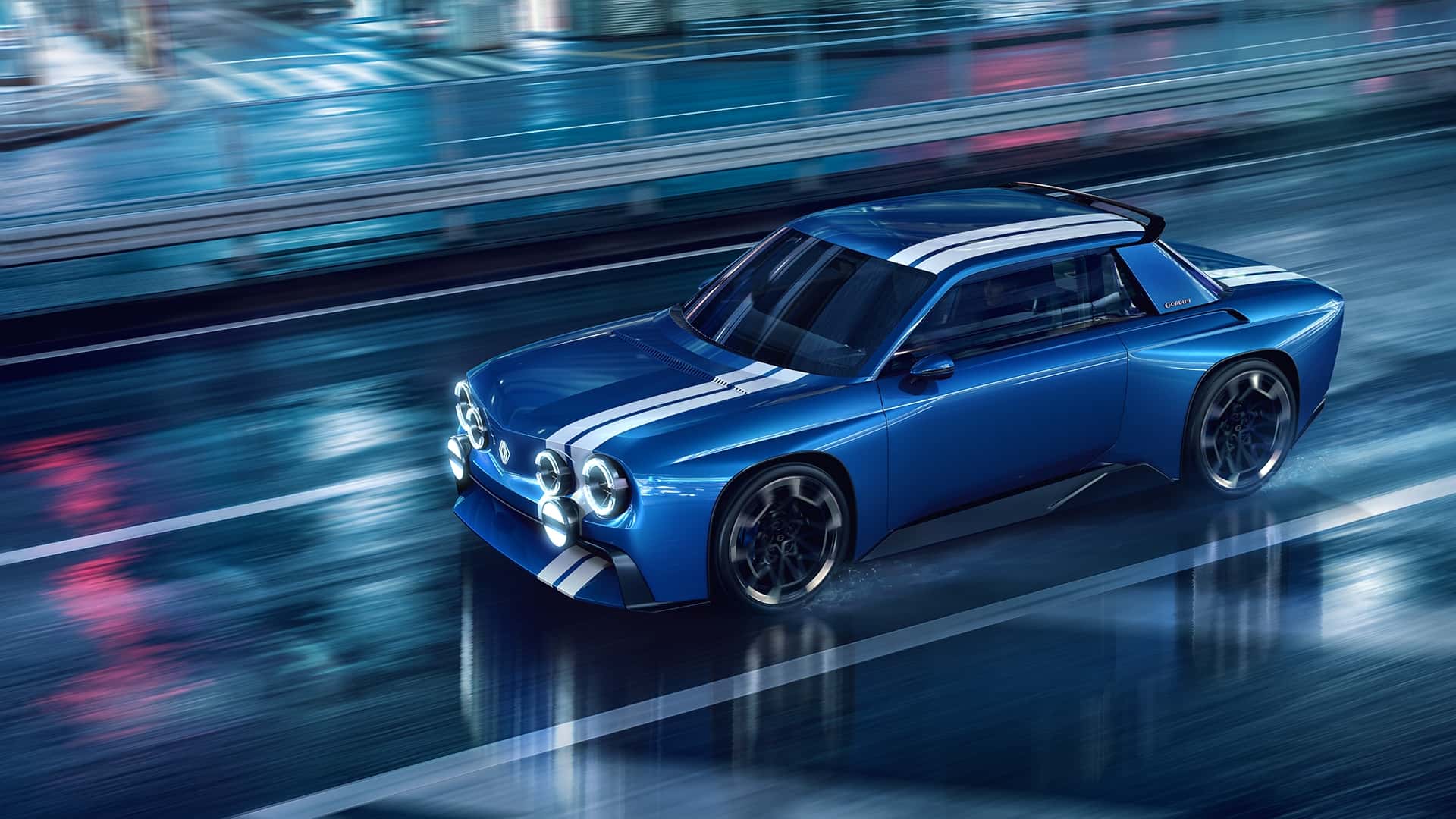
Renault 8 Gordini Returns as Rear-Wheel Drive EV
Renault has unveiled the return of the iconic Renault 8 Gordini as a rear-wheel drive electric…
Just now
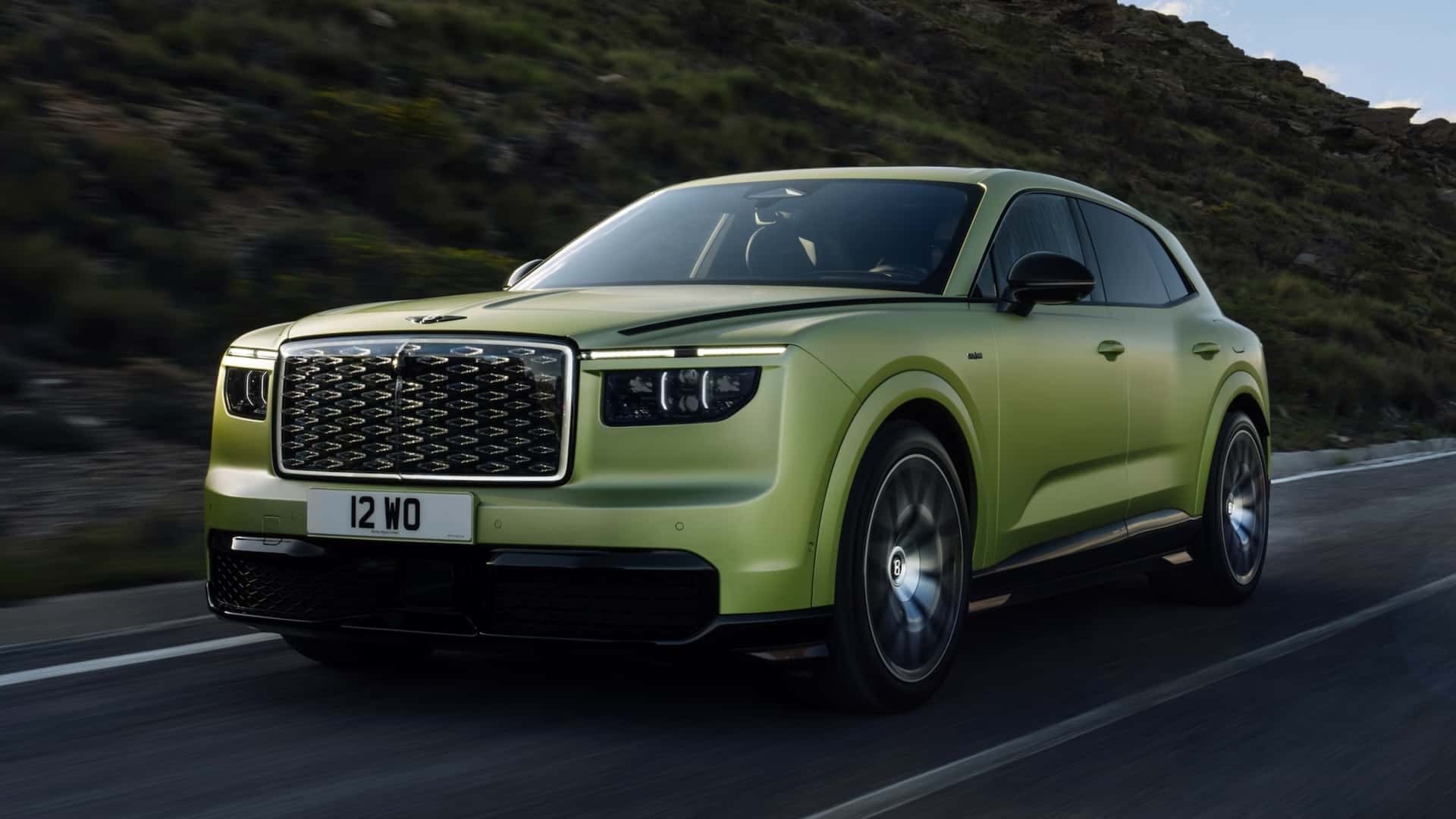
Bentley's First EV, the Torcal, Offers Rapid Charging Capabilities
Bentley has launched its first electric vehicle, the Torcal, a midsize SUV that boasts rapid…
12h ago
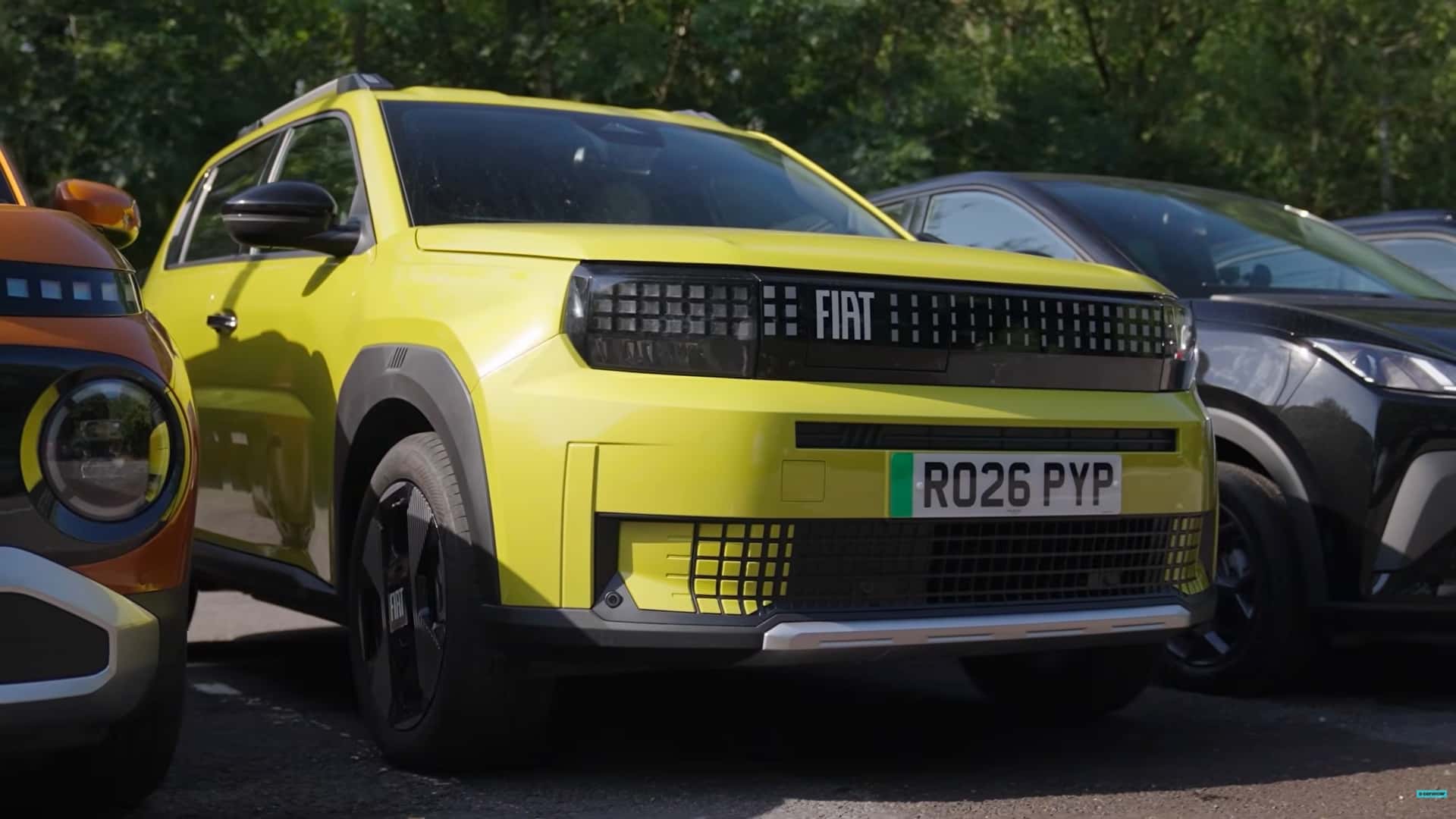
Fiat Grande Panda Outperforms Claimed Range in Real-World Test
In a recent highway range test, the Fiat Grande Panda exceeded its officially claimed range,…
12h ago
Bentley Launches Torcal, Its First All-Electric SUV
Bentley has officially unveiled the Torcal, marking its entry into the electric vehicle market.…
12h ago