
Toyota Recalls 8,521 Electric C-HR SUVs Due to Power Loss Issue
Updated September 10, 2026
3 min read
1 linked source
Toyota is recalling 8,521 electric C-HR SUVs due to a software glitch that can cause the vehicles to unexpectedly lose power while driving. This recall affects a significant number of owners and highlights potential safety concerns associated with the vehicle's software. Details on the exact nature of the software issue and the timeline for repairs are still emerging.
Share this story
Why it matters
- ✓Owners may experience safety risks if their vehicle loses power unexpectedly while driving.
- ✓The recall could affect the resale value of the electric C-HR due to perceived reliability issues.
- ✓It's essential for owners to stay informed about the repair process and any potential impacts on their vehicle's performance.
Reporting notes
EV Signal briefs are written to explain the verified change first, then add the context EV buyers and owners need to understand cost, availability, charging access, eligibility, or ownership impact.
If details are still developing, we try to say what is confirmed, what comes from secondary reporting, and what readers should verify before acting.
Source mix
1 linked source
1 media
Reviewed from: Electrek.
Toyota Recalls 8,521 Electric C-HR SUVs Due to Power Loss Issue
Toyota has announced a recall affecting 8,521 electric C-HR SUVs due to a software glitch that can lead to unexpected power loss while driving. This issue raises significant safety concerns for current owners and potential buyers of the vehicle.
What Changed
The recall was initiated after it was discovered that a software problem could cause the electric C-HR to suddenly lose power, posing a serious risk to drivers and passengers. The exact nature of the software glitch has not been fully detailed, but it is critical for affected owners to be aware of the potential risks associated with driving their vehicles under these conditions.
Why It Matters for Buyers/Owners
- Safety Risks: The primary concern for owners is the safety risk posed by the potential for sudden power loss. This could lead to dangerous situations, especially if it occurs at high speeds or in heavy traffic.
- Resale Value: The recall may impact the resale value of the electric C-HR. Prospective buyers might be wary of purchasing a vehicle that has been recalled for a critical issue, which could lead to a decrease in demand and value.
- Repair Process: Owners should stay informed about the timeline for repairs and how Toyota plans to address the software issue. Understanding the repair process is essential for ensuring the vehicle remains safe and reliable.
Key Details from Source Material
According to Electrek, the recall affects a total of 8,521 electric C-HR vehicles. Although the specific details of the software glitch have not been fully disclosed, the implications for safety are clear. Toyota has not yet provided a timeline for when affected owners can expect repairs to be available, leaving some uncertainty regarding the next steps for those impacted.
What to Watch Next
As the situation develops, it will be important to monitor updates from Toyota regarding the recall process and the specifics of the software fix. Owners should also keep an eye on any communications from Toyota about how to proceed if they own an affected vehicle. Additionally, potential buyers should consider the implications of this recall when evaluating the electric C-HR as an option in the market.
In conclusion, while the electric C-HR offers many benefits as an EV, this recall underscores the importance of software reliability in modern vehicles. Affected owners should prioritize safety and stay informed about the recall process.
Sources
These are the documents and reports used to build this brief so readers can verify the story directly.
- Toyota recalls 8,521 electric C-HR SUVs [Update] — ElectrekMEDIA
Comments
Log in with
Loading comments…
More in Software
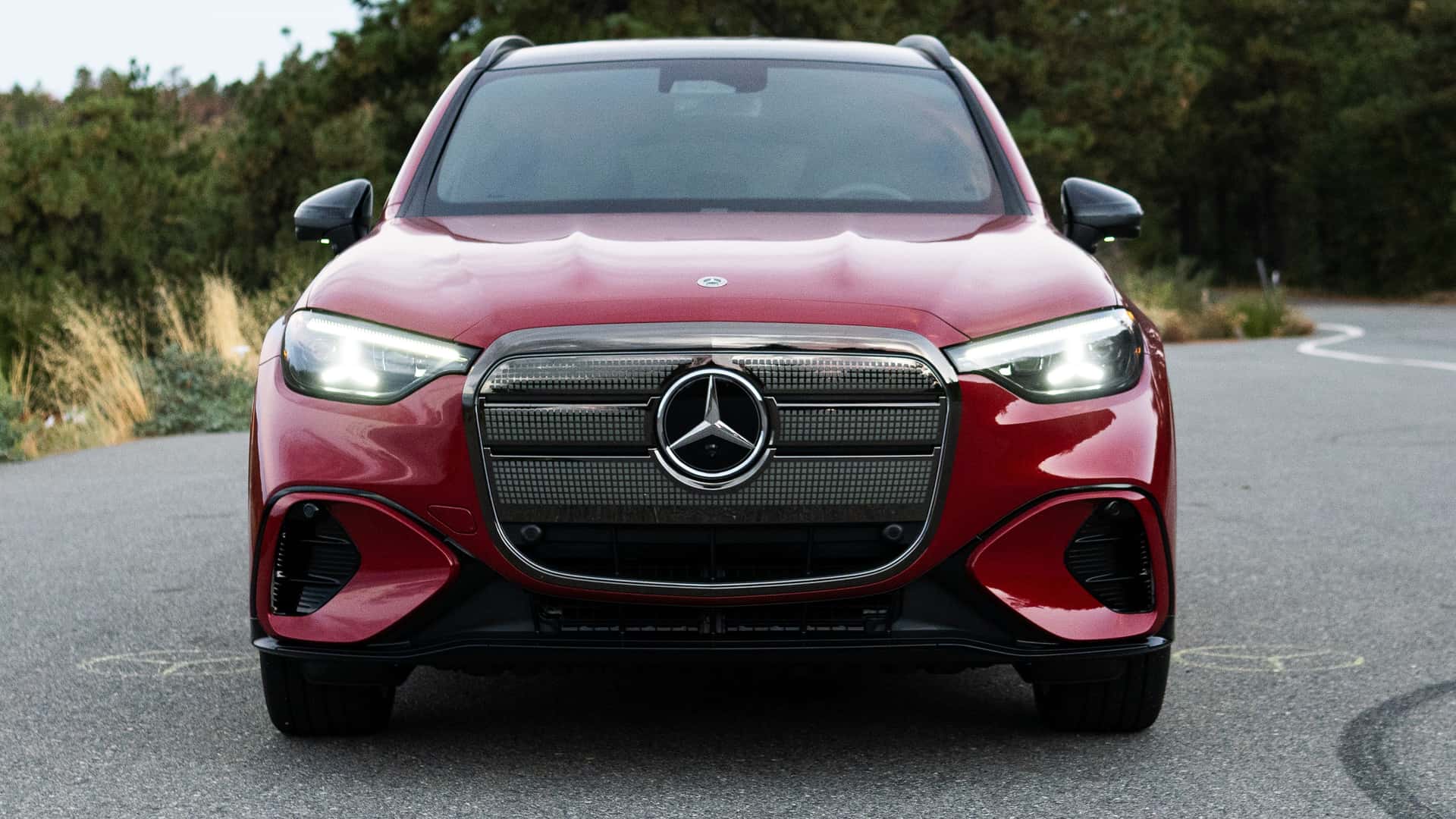
Mercedes Partners with Wayve for Advanced Driver Assistance System
Mercedes-Benz has announced a collaboration with Wayve to develop a driver assistance system…
1d ago
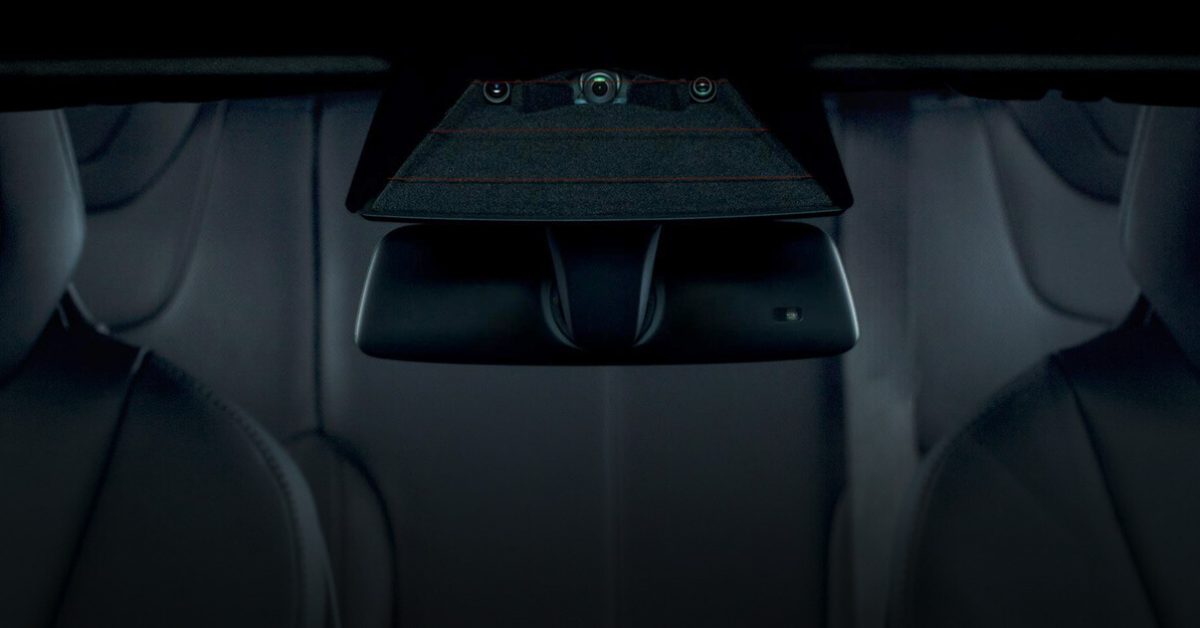
Tesla Full Self-Driving Update Issues False Camera Alerts
Tesla's latest Full Self-Driving update, version 14.3.9, is erroneously alerting owners that their…
1d ago
Mercedes-Benz Partners with Wayve for AI Driver Integration in Future Vehicles
Mercedes-Benz has finalized a production agreement with Wayve, a British self-driving startup, to…
1d ago
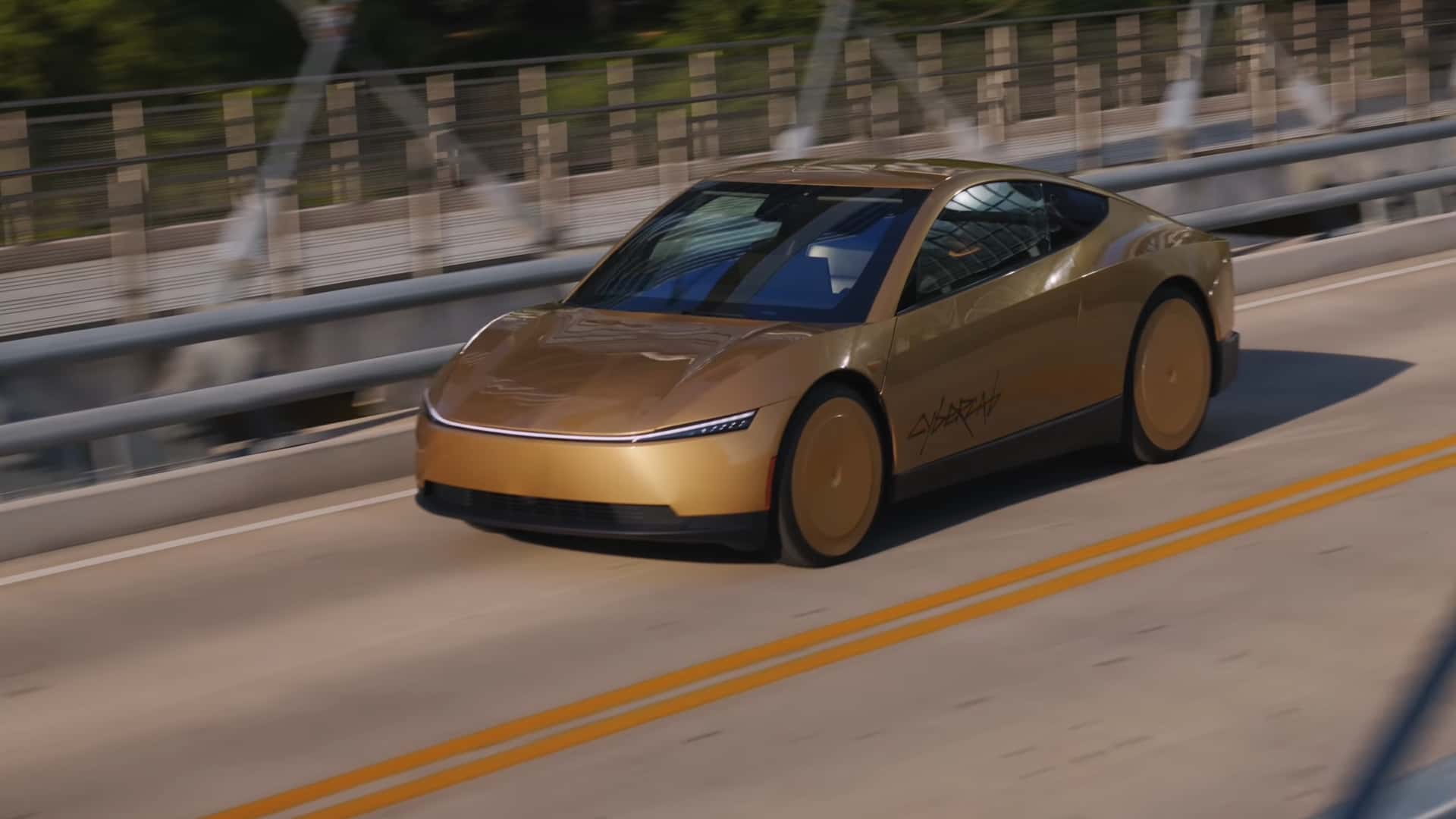
Tesla Cybercab Faces Navigation Issues Similar to Existing Tesla Models
Tesla's new Cybercab robotaxis are reportedly experiencing navigation problems, taking unusual…
2d ago