
Toyota Cancels Lexus LF-ZC EV, Plans Successor with New Technology
Updated June 24, 2026
3 min read
1 linked source
Toyota has decided not to proceed with the Lexus LF-ZC, its flagship electric vehicle. However, a company executive has confirmed that a successor is in development, utilizing next-generation technology including new batteries and a dedicated platform. Details on the timeline and features of the successor remain unclear.
Share this story
Why it matters
- ✓The cancellation of the LF-ZC may impact potential buyers who were looking forward to a flagship Lexus EV, leaving them with fewer options in the luxury EV market.
- ✓The new technology being developed for the successor could lead to improvements in battery performance and vehicle efficiency, which may enhance the overall ownership experience in the future.
- ✓The uncertainty surrounding the successor's release date may affect buyers' decisions, as they weigh their options in the current EV landscape.
Reporting notes
EV Signal briefs are written to explain the verified change first, then add the context EV buyers and owners need to understand cost, availability, charging access, eligibility, or ownership impact.
If details are still developing, we try to say what is confirmed, what comes from secondary reporting, and what readers should verify before acting.
Source mix
1 linked source
1 media
Reviewed from: Electrek.
Toyota Cancels Lexus LF-ZC EV
Toyota has officially scrapped plans for the Lexus LF-ZC, its anticipated flagship electric vehicle. This decision comes as a surprise to many in the automotive industry, especially given the growing demand for luxury electric vehicles. Despite the cancellation of the LF-ZC, a company executive has confirmed that a successor is already in the works, which will leverage next-generation technology.
What Changed
The cancellation of the Lexus LF-ZC means that Toyota will not be introducing this particular model to the market. Instead, the company is focusing on developing a successor that will incorporate advanced technologies, including new battery systems, a dedicated platform, and gigacasting techniques. While the specifics of the successor are still under wraps, the confirmation of its development indicates that Toyota is committed to remaining competitive in the EV space.
Why It Matters for Buyers and Owners
The decision to scrap the LF-ZC could have several implications for potential buyers and current Lexus owners:
- Limited Options: The cancellation may leave luxury EV buyers with fewer choices in the market, particularly for those who were specifically interested in the Lexus brand.
- Technology Advancements: The successor's use of new battery technology and dedicated platforms could lead to enhanced performance and efficiency, which is crucial for buyers looking for long-term value in their EV investments.
- Uncertain Timeline: With the successor still in development, potential buyers may need to wait longer for a new luxury EV option from Lexus, impacting their purchasing decisions.
Key Details from Source Material
According to Electrek, the decision to cancel the LF-ZC was confirmed by a Toyota executive. While the LF-ZC will not move forward, the company is ready to implement next-gen technologies that were initially intended for the LF-ZC. This includes advancements in battery technology, which are critical for improving range and charging times in electric vehicles. The exact features and timeline for the successor remain unspecified, leaving room for speculation about what it will ultimately offer.
What to Watch Next
As details about the successor emerge, it will be important for potential buyers and current owners to stay informed about the following:
- Release Timeline: Keep an eye on announcements from Toyota regarding the expected launch date of the successor to the LF-ZC.
- Specifications and Features: Watch for updates on the specific technologies and features that will be included in the new model, particularly regarding battery performance and vehicle range.
- Market Response: Monitor how the cancellation of the LF-ZC and the development of its successor affect consumer interest and competition in the luxury EV market.
In conclusion, while the cancellation of the Lexus LF-ZC is a setback for Toyota, the commitment to developing a successor with advanced technology signals the company's ongoing investment in the electric vehicle market. Buyers and owners should remain attentive to future developments as Toyota works to bring a new luxury EV to the market.
Sources
These are the documents and reports used to build this brief so readers can verify the story directly.
Comments
Log in with
Loading comments…
More in Models & Pricing
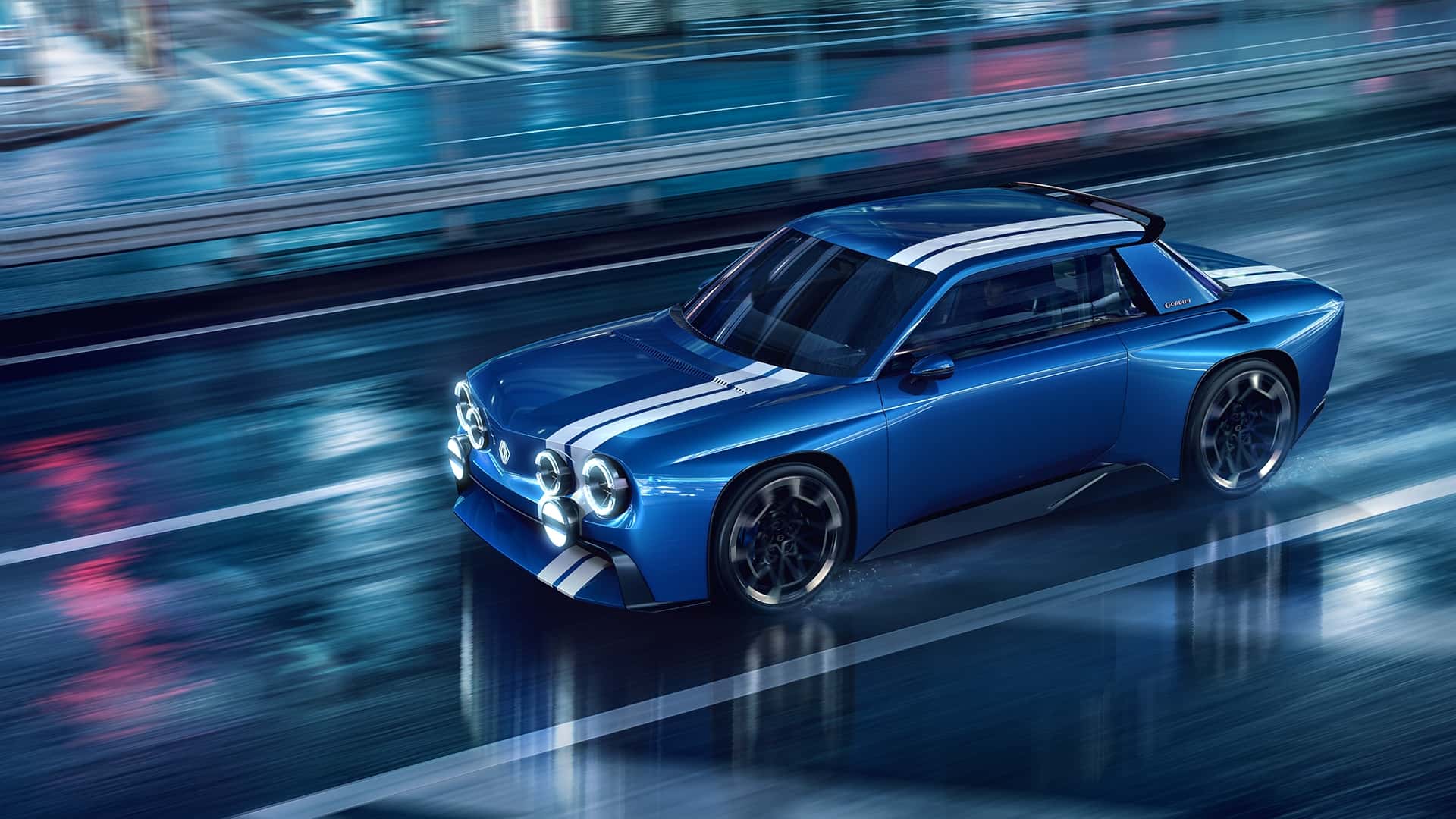
Renault 8 Gordini Returns as Rear-Wheel Drive EV
Renault has unveiled the return of the iconic Renault 8 Gordini as a rear-wheel drive electric…
Just now
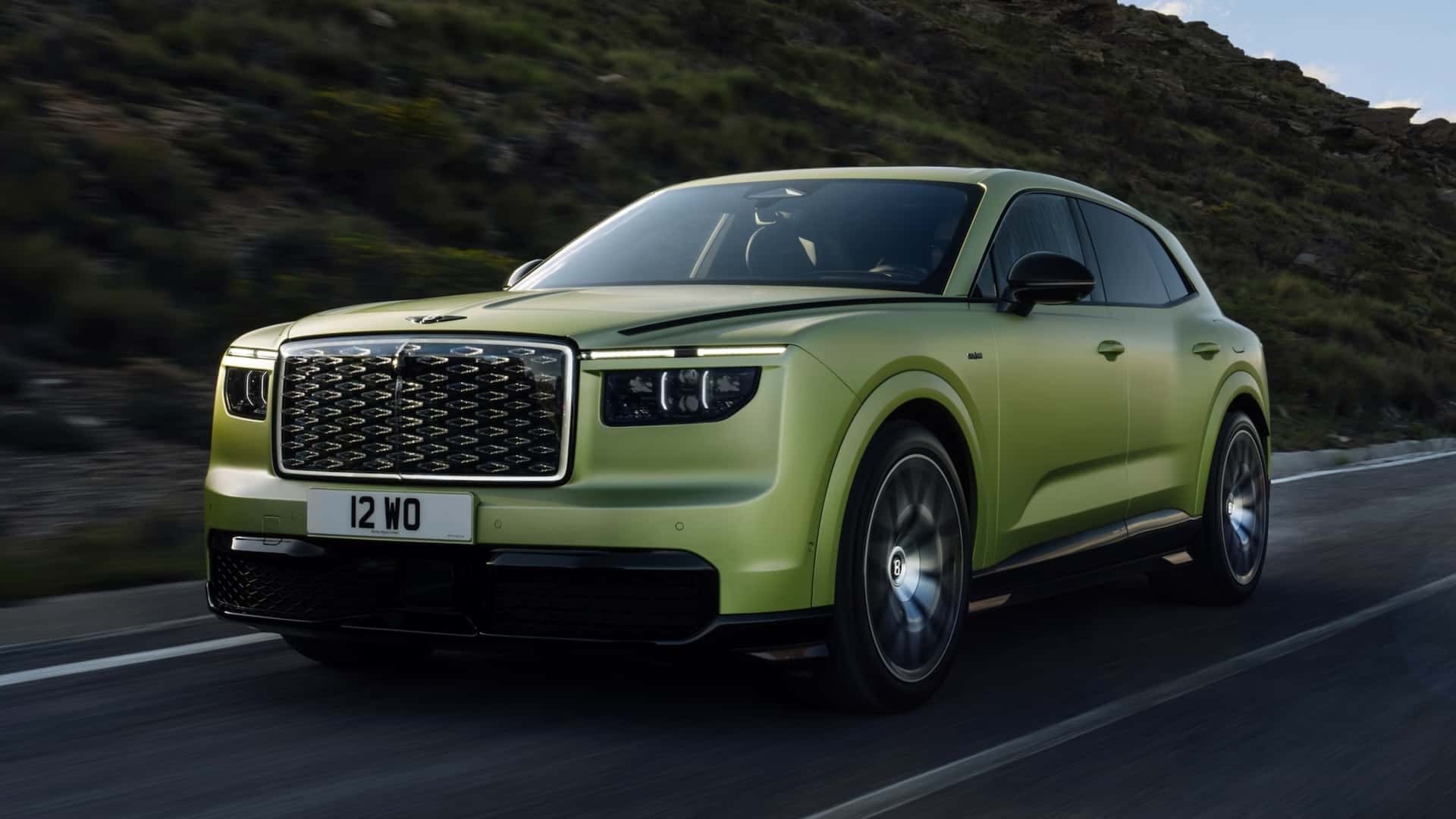
Bentley's First EV, the Torcal, Offers Rapid Charging Capabilities
Bentley has launched its first electric vehicle, the Torcal, a midsize SUV that boasts rapid…
12h ago
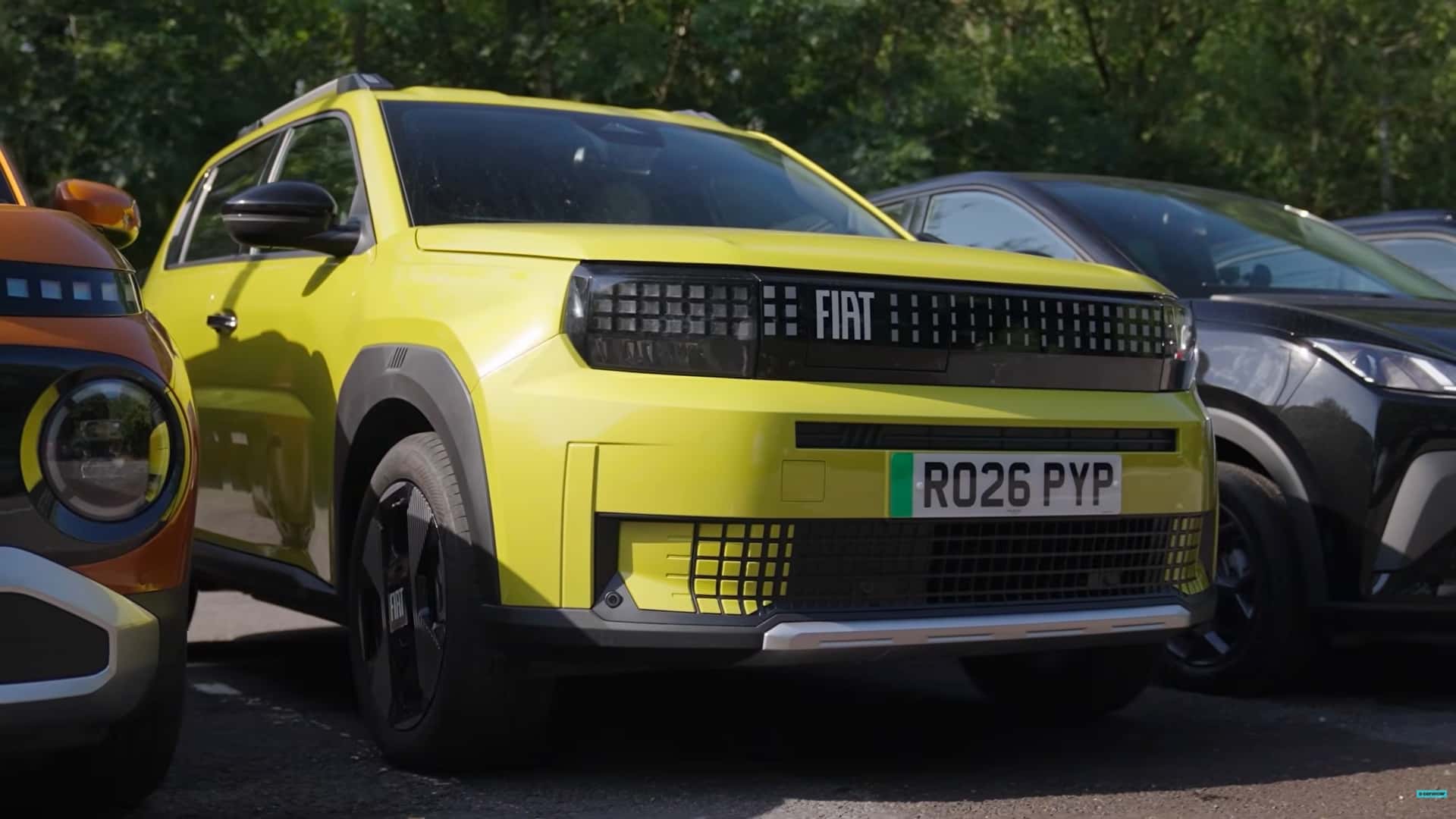
Fiat Grande Panda Outperforms Claimed Range in Real-World Test
In a recent highway range test, the Fiat Grande Panda exceeded its officially claimed range,…
12h ago
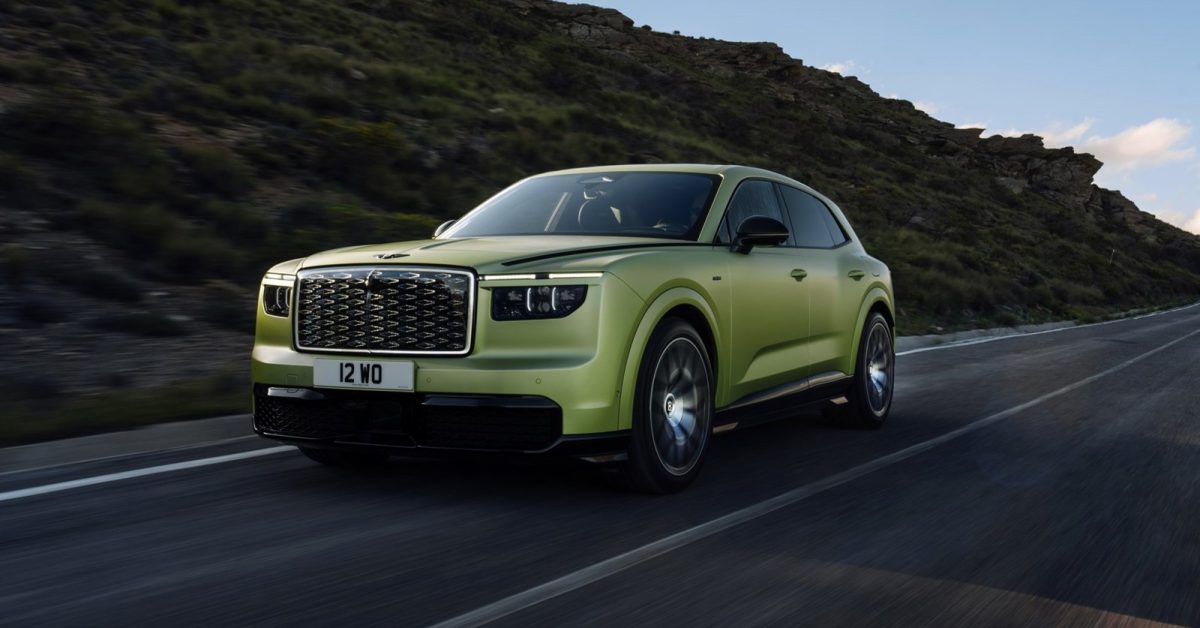
Bentley Launches Torcal, Its First All-Electric SUV
Bentley has officially unveiled the Torcal, marking its entry into the electric vehicle market.…
12h ago