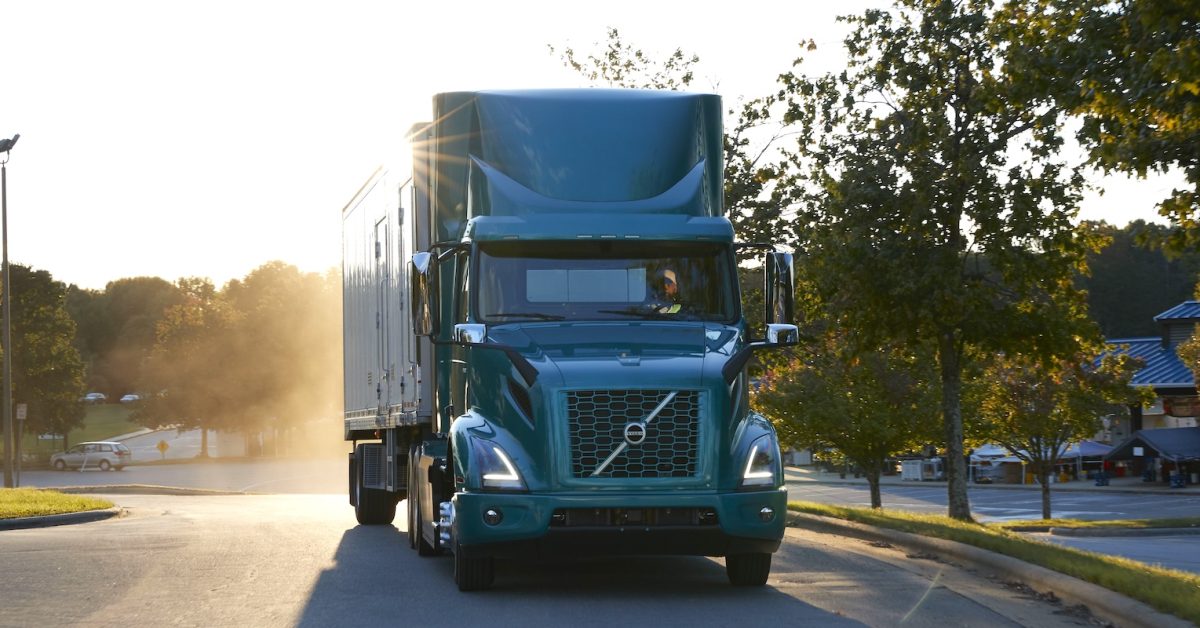
The Bronx Acquires New Volvo VNR Electric Trucks for Food Rescue Operations
Updated September 18, 2026
3 min read
1 linked source
New York City's largest food rescue organization has acquired three new zero-emission Volvo VNR Electric semi trucks to improve air quality in the Bronx. This initiative aims to support local residents by reducing emissions from food transport. The deployment of these trucks is part of a broader effort to enhance sustainability in urban logistics.
Share this story
Why it matters
- ✓The introduction of electric trucks can lead to lower operating costs over time due to reduced fuel expenses and maintenance.
- ✓This initiative may inspire other organizations and businesses in urban areas to consider electric vehicles for their operations.
- ✓Improved air quality from reduced emissions can have positive health impacts for residents in the Bronx.
Reporting notes
EV Signal briefs are written to explain the verified change first, then add the context EV buyers and owners need to understand cost, availability, charging access, eligibility, or ownership impact.
If details are still developing, we try to say what is confirmed, what comes from secondary reporting, and what readers should verify before acting.
Source mix
1 linked source
1 media
Reviewed from: Electrek.
New Electric Trucks for the Bronx
New York City’s largest food rescue organization is set to enhance local air quality with the acquisition of three brand-new, zero-emission Volvo VNR Electric semi trucks. This move is expected to significantly reduce emissions associated with food transport in the Bronx, benefiting both the environment and community health.
What Changed
The recent update from Electrek confirms that the food rescue organization has secured three Volvo VNR Electric trucks, which are designed to operate without producing harmful emissions. This acquisition marks a significant step towards greener logistics in urban settings, particularly in areas like the Bronx that are often burdened by pollution from traditional diesel trucks.
Why It Matters for Buyers and Owners
- Cost Efficiency: Electric trucks typically have lower fuel and maintenance costs compared to their diesel counterparts, which could lead to long-term savings for organizations that rely on transportation for their operations.
- Inspiration for Adoption: The deployment of these electric trucks may encourage other businesses and organizations in urban areas to consider electric vehicles as a viable option for their fleets, potentially increasing the overall adoption of EVs in commercial sectors.
- Health Benefits: By reducing emissions from food transport, these trucks can contribute to improved air quality in the Bronx, which can have significant health benefits for local residents.
Key Details from Source Material
According to the Electrek article, the Volvo VNR Electric trucks are part of a broader initiative aimed at sustainability and reducing the carbon footprint of food logistics in New York City. The trucks are expected to be deployed soon, although specific timelines for their operational rollout have not been detailed.
What to Watch Next
As the deployment of these electric trucks progresses, it will be important to monitor their impact on local air quality and community health in the Bronx. Additionally, observing how this initiative influences other organizations in urban logistics could provide insights into the future of electric vehicle adoption in similar contexts. Further updates may also clarify the operational details and any potential expansions of this initiative.
Sources
These are the documents and reports used to build this brief so readers can verify the story directly.
Comments
Log in with
Loading comments…
More in Ownership
Tesla's Lawyers Misled Witness in Racism Trial
Tesla's ongoing racism trial in California has faced significant setbacks as it was revealed that a…
17h ago
Rivian R2 Faces First Recall Due to Camera Issue
Rivian has issued a recall affecting nearly 99,000 vehicles, including some of its new R2 models,…
17h ago
BMW iX3 Outperforms Mercedes GLC and Volvo EX60 in Highway Efficiency Test
In a recent highway test, the BMW iX3 demonstrated superior energy efficiency and range compared to…
23h ago
PHEV Batteries Show Resilience Despite Frequent Cycling
Plug-in hybrid electric vehicles (PHEVs) experience more frequent battery cycling than fully…
1d ago