
Texas Instruments Develops Sensor to Enhance EV Battery Range
Updated August 26, 2026
3 min read
1 linked source
Texas Instruments has introduced a new tiny sensor that could potentially increase the range of future electric vehicles (EVs) by optimizing battery performance. This innovation aims to provide smoother acceleration and reduce motor noise, benefiting EV drivers. However, the specific implementation timeline and compatibility with existing EV models remain unclear.
Share this story
Why it matters
- ✓Enhanced battery range could lead to fewer charging stops, improving the overall driving experience for EV owners.
- ✓Smoother acceleration and reduced noise may enhance the comfort and enjoyment of driving electric vehicles.
- ✓The adoption of this technology could influence future EV pricing and availability, depending on how quickly manufacturers integrate it.
Reporting notes
EV Signal briefs are written to explain the verified change first, then add the context EV buyers and owners need to understand cost, availability, charging access, eligibility, or ownership impact.
If details are still developing, we try to say what is confirmed, what comes from secondary reporting, and what readers should verify before acting.
Source mix
1 linked source
1 media
Reviewed from: Electrek.
Texas Instruments Develops Sensor to Enhance EV Battery Range
Texas Instruments (TI) has unveiled a new tiny sensor that holds the potential to significantly improve the range of future electric vehicles (EVs). This innovative technology aims to optimize battery performance, providing smoother acceleration and reducing motor noise, thereby enhancing the overall driving experience for EV owners.
What Changed
The introduction of this new sensor by TI marks a notable advancement in EV technology. By integrating this sensor into future electric vehicles, manufacturers could potentially extract more energy from existing battery systems, leading to increased driving range. Additionally, the sensor's capabilities may contribute to a more enjoyable driving experience through smoother acceleration and less intrusive motor noise.
Why It Matters for Buyers/Owners
For current and prospective EV owners, the implications of this technology are significant:
- Improved Driving Experience: Enhanced battery range means fewer stops for charging, which can make long trips more feasible and less stressful.
- Comfort and Enjoyment: The promise of smoother acceleration and reduced noise could make driving electric vehicles more enjoyable, appealing to a broader audience.
- Market Influence: As manufacturers begin to adopt this technology, it could impact the pricing and availability of future EV models, potentially making them more attractive options in the market.
Key Details from Source Material
According to Electrek, the new sensor from Texas Instruments is designed to optimize the performance of EV batteries. While the specifics of how this sensor will be integrated into vehicles and the timeline for its adoption remain uncertain, the potential benefits are clear. This innovation could represent a significant step forward in addressing one of the primary concerns for EV buyers: range anxiety.
What to Watch Next
As this technology develops, it will be important to monitor how quickly manufacturers incorporate TI's sensor into their EV models. Additionally, updates on the performance metrics and real-world testing results will be crucial for understanding the true impact of this technology on battery range and vehicle performance. Keep an eye on announcements from major EV manufacturers regarding their plans to utilize this sensor in upcoming models.
Sources
These are the documents and reports used to build this brief so readers can verify the story directly.
- Future EVs could get more range from this tiny TI sensor — ElectrekMEDIA
Comments
Log in with
Loading comments…
More in Models & Pricing
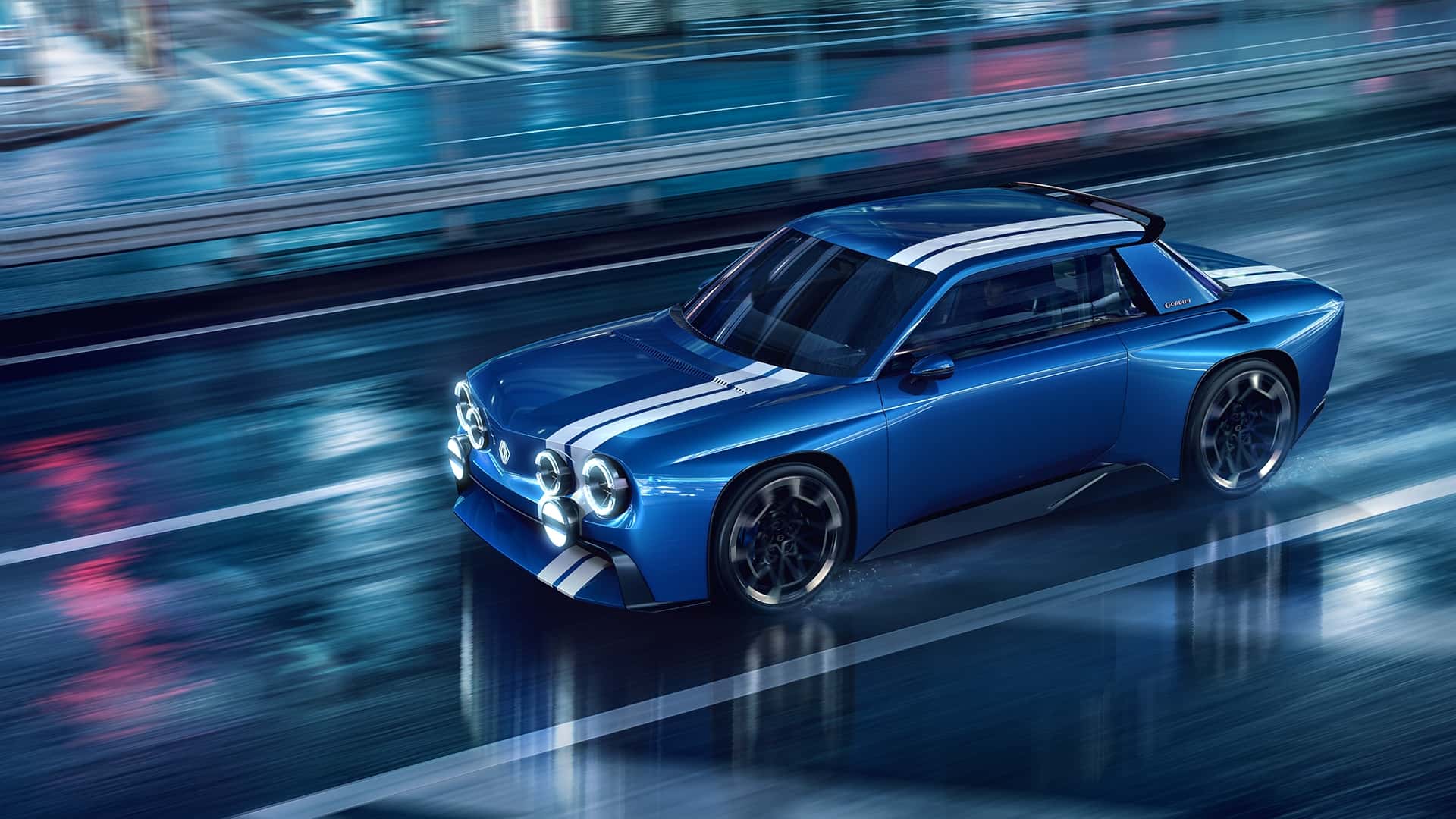
Renault 8 Gordini Returns as Rear-Wheel Drive EV
Renault has unveiled the return of the iconic Renault 8 Gordini as a rear-wheel drive electric…
Just now
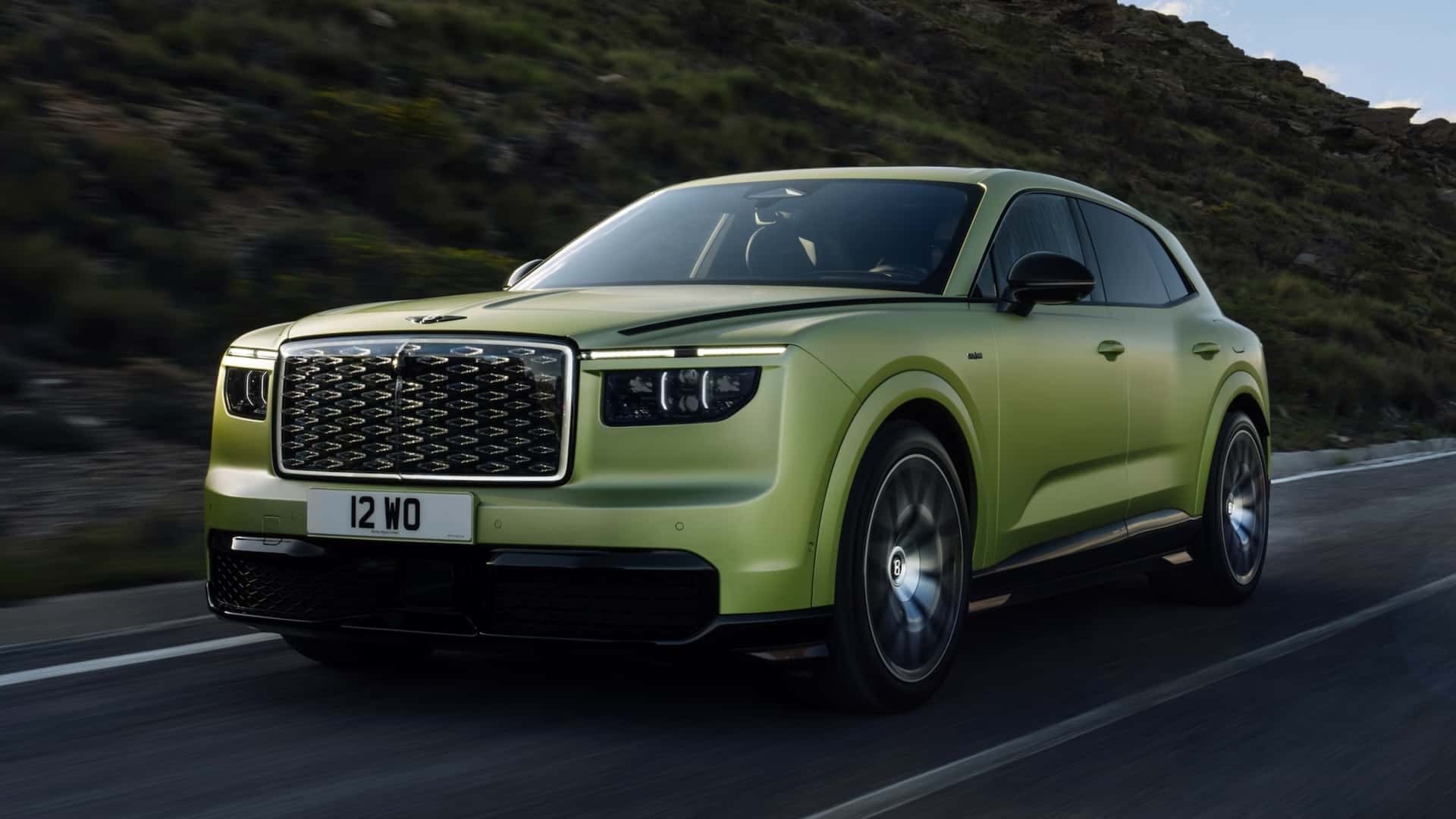
Bentley's First EV, the Torcal, Offers Rapid Charging Capabilities
Bentley has launched its first electric vehicle, the Torcal, a midsize SUV that boasts rapid…
12h ago
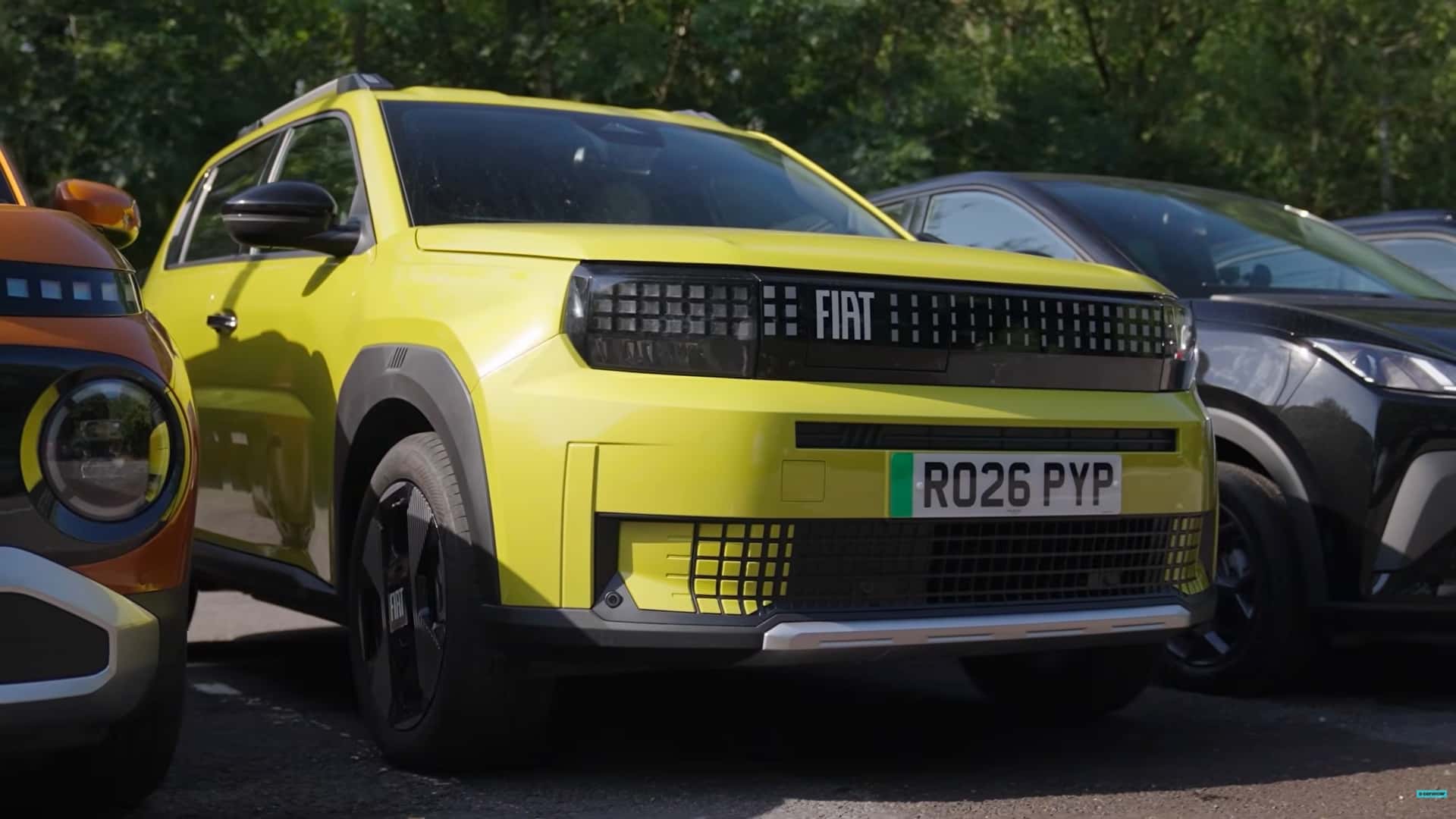
Fiat Grande Panda Outperforms Claimed Range in Real-World Test
In a recent highway range test, the Fiat Grande Panda exceeded its officially claimed range,…
12h ago
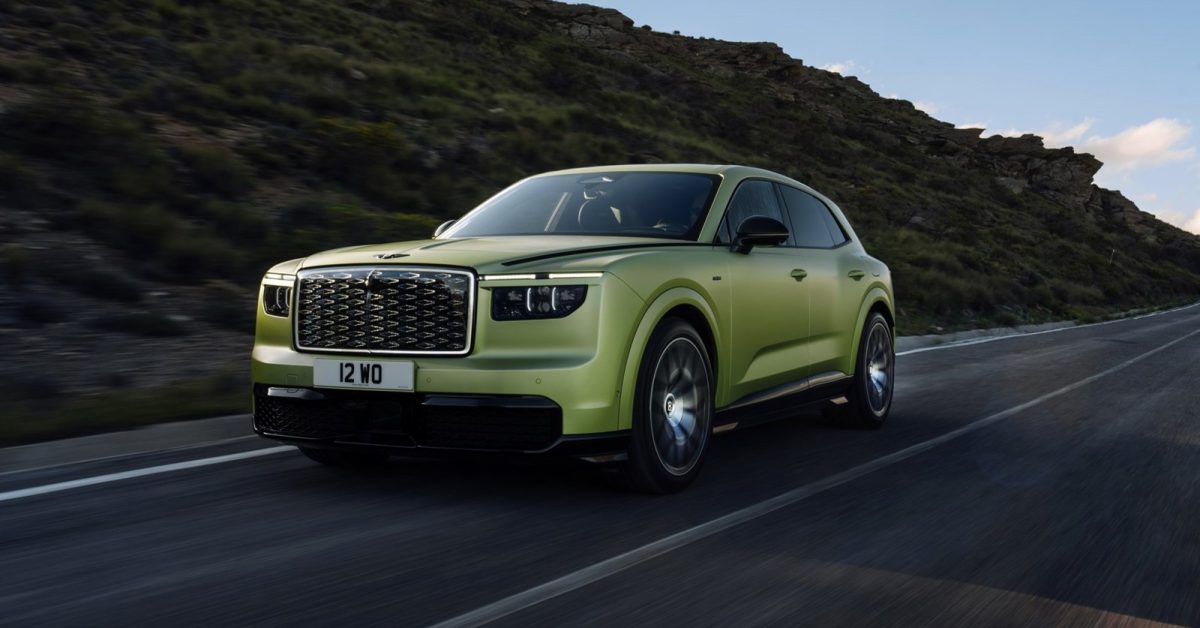
Bentley Launches Torcal, Its First All-Electric SUV
Bentley has officially unveiled the Torcal, marking its entry into the electric vehicle market.…
12h ago