Tesla's U.S. Sales Decline in Q1, Yet Market Share Increases
Tesla's sales in the U.S. fell during the first quarter of the year, reflecting a contraction in the overall EV market. Despite this decline, the company managed to gain market share, indicating a shift in consumer preferences. This situation highlights the competitive landscape of the EV market and raises questions about future sales strategies.

Key takeaways
30-second read- 1Buyers may find better deals as Tesla adjusts pricing strategies in response to declining sales.
- 2Increased market share could lead to more competitive offerings from Tesla, enhancing options for consumers.
- 3The contraction in the EV market may affect charging infrastructure development and availability.
Confirmed
No official source linked yet
Reported
Secondary reporting: InsideEVs
Verify yourself
Eligibility, local prices and dates for your car, state or utility
Tesla's Sales Decline and Market Share Growth
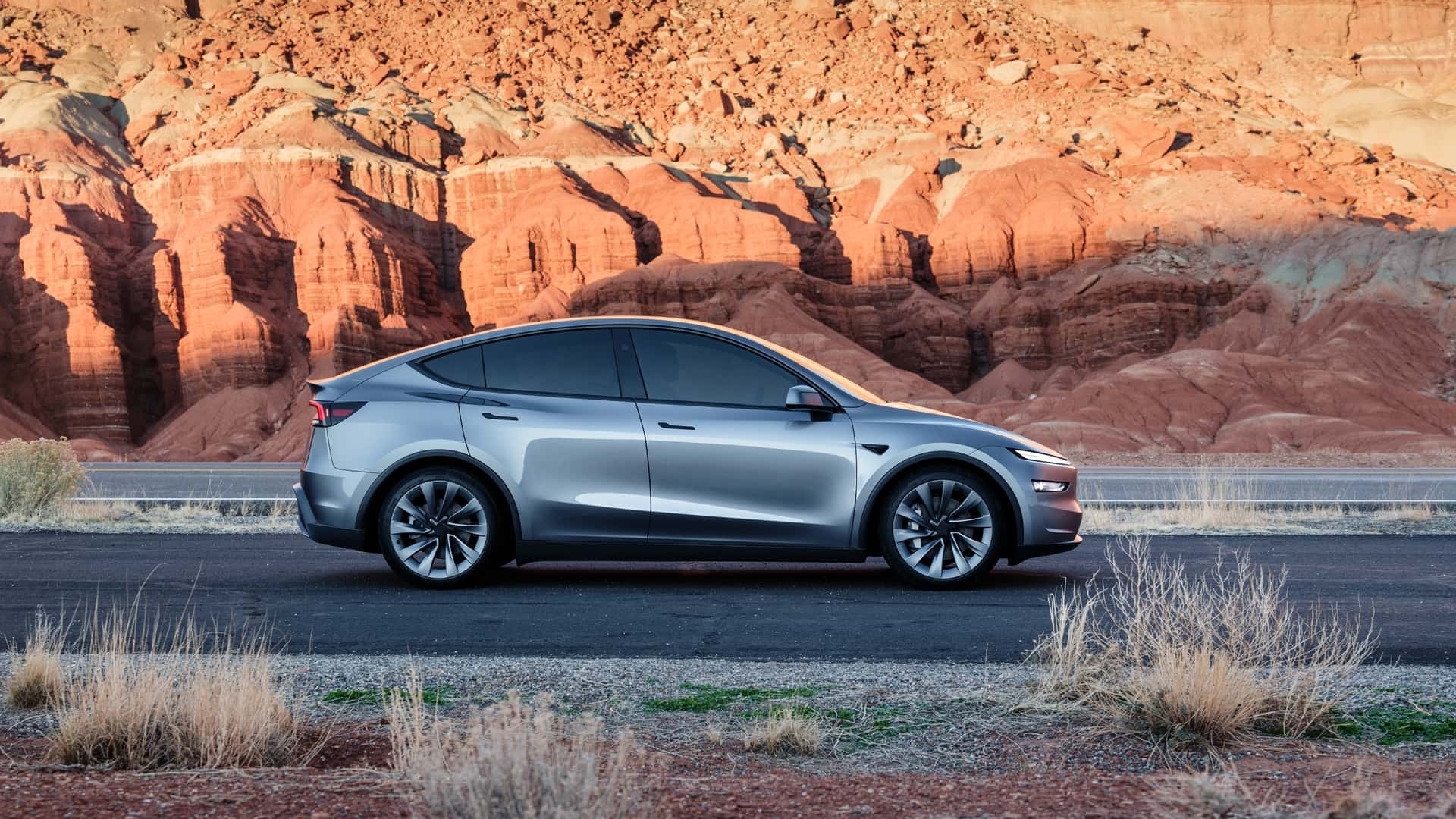
Tesla has experienced a notable decline in U.S. sales during the first quarter of the year, yet paradoxically, the company has managed to increase its market share in the electric vehicle (EV) sector. This development is particularly significant as it reflects broader trends within the EV market, which is currently facing contraction.
What Changed?
According to a report from InsideEVs, Tesla's sales figures have dipped in Q1, a period that typically sees strong demand for EVs. Despite this downturn, the company has gained market share, suggesting that while overall sales are down, Tesla is outperforming some of its competitors. This shift indicates a changing landscape in consumer preferences and market dynamics.
Why It Matters for Buyers and Owners
The implications of this sales decline and market share increase are multifaceted for current and prospective EV buyers:
- Potential Price Adjustments: As Tesla navigates its sales decline, it may implement pricing strategies that could lead to better deals for buyers. This could make Tesla vehicles more accessible to a wider audience.
- Competitive Offerings: Gaining market share could motivate Tesla to enhance its product offerings, potentially leading to improvements in vehicle features, technology, and customer service.
- Charging Infrastructure Impact: The contraction in the overall EV market might slow down the development of charging infrastructure. Buyers should keep an eye on how this affects charging access and availability in their regions.
Key Details from Source Material
The report from InsideEVs highlights that Tesla's sales decline is occurring against the backdrop of a contracting EV market. This suggests that while Tesla is facing challenges, it is still managing to attract customers away from competitors. The reasons behind this market share gain could include brand loyalty, product quality, and the extensive Supercharger network that Tesla offers.
What to Watch Next
As the situation develops, it will be important to monitor Tesla's sales strategies and any adjustments they make in response to the current market conditions. Additionally, keeping an eye on competitor responses and the overall health of the EV market will provide further insights into how these dynamics will play out in the coming quarters. Potential buyers should stay informed about any upcoming announcements from Tesla regarding pricing or new model releases, as these could significantly impact their purchasing decisions.
In conclusion, while Tesla's sales have taken a hit, the company's ability to gain market share amidst a contracting market is noteworthy. Buyers and owners should remain vigilant as the landscape continues to evolve.
Sources
1 media- [1]Tesla’s U.S. Sales Tanked In Q1. It Still Gained Market ShareMedia
InsideEVs · insideevs.com · published Apr 11
Newsletter
Weekly EV signal. No spam.
Comments
Log in with
Loading comments…