Tesla's Full Self-Driving Feature Unusable for Most Korean Owners
A recent report reveals that 99% of Tesla vehicles imported into South Korea last year are unable to activate the Full Self-Driving (FSD) feature, despite owners having paid for it. This situation has led to a complaint against Tesla, highlighting the gap between promised features and actual usability for consumers in the region.

Key takeaways
30-second read- 1Owners in South Korea may feel misled about the capabilities of their vehicles.
- 2The inability to use FSD could impact resale value and overall satisfaction with Tesla vehicles.
- 3Potential buyers may reconsider purchasing a Tesla if key features are not functional.
Confirmed
No official source linked yet
Reported
Secondary reporting: InsideEVs
Verify yourself
Eligibility, local prices and dates for your car, state or utility
Tesla's Full Self-Driving Feature Unusable for Most Korean Owners
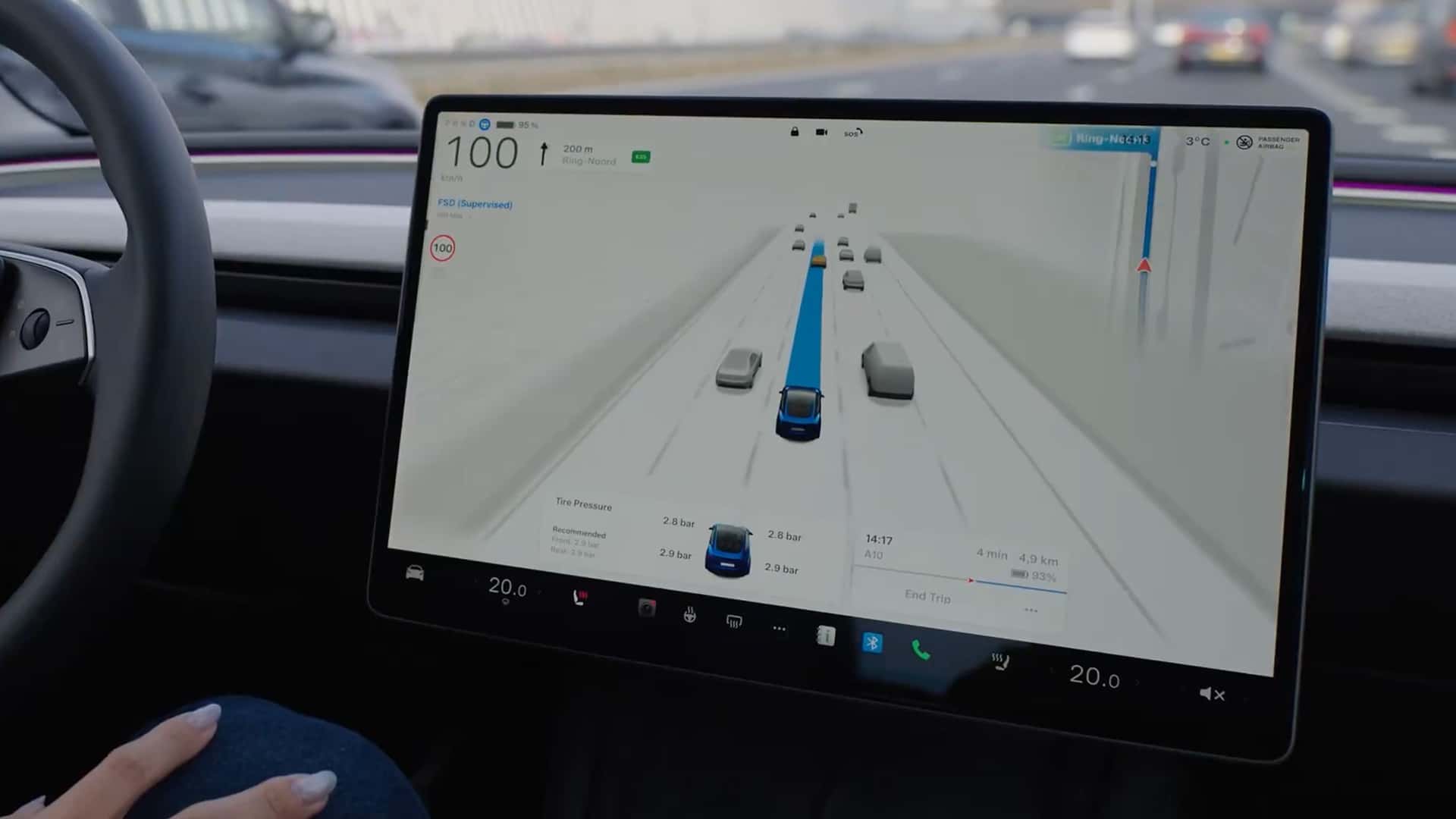
A recent report from InsideEVs highlights a significant issue for Tesla owners in South Korea: 99% of the Teslas imported into the country last year are unable to activate the Full Self-Driving (FSD) feature, even though many owners have paid for it. This situation has led to a formal complaint against Tesla, raising questions about the company's obligations to its customers.
What Changed
The core issue is that the vast majority of Tesla vehicles sold in South Korea cannot utilize the FSD feature, which is marketed as a premium capability. Despite the high expectations set by Tesla regarding the FSD functionality, the reality for most owners is a stark contrast. This discrepancy has prompted legal action, as consumers feel they have been misled regarding the capabilities of their vehicles.
Why It Matters for Buyers/Owners
This situation is significant for several reasons:
- Consumer Trust: Owners may feel deceived if they cannot access features they paid for, leading to a loss of trust in Tesla's marketing claims.
- Resale Value: The inability to use FSD could negatively impact the resale value of affected vehicles, as potential buyers may be wary of purchasing a car with non-functional features.
- Market Perception: This incident could influence potential buyers' decisions, making them hesitant to invest in Tesla vehicles if key features are not operational.
Key Details from Source Material
According to InsideEVs, the data indicates that nearly all Teslas imported into South Korea last year are unable to activate the FSD feature. This raises concerns about the transparency of Tesla's advertising and the expectations set for consumers. The complaint against Tesla suggests that there may be legal ramifications for the company if it is found to have misrepresented the capabilities of its vehicles.
What to Watch Next
As this situation develops, it will be important to monitor any responses from Tesla regarding the complaint and whether they plan to address the issue for affected owners. Additionally, the outcome of the complaint could set a precedent for how automotive companies are held accountable for the features they advertise. Consumers and potential buyers should stay informed about any updates from Tesla and the legal proceedings that may unfold as a result of this complaint.
Sources
1 media- [1]Tesla Sold FSD To Koreans Who Still Can't Use It. Now It's Facing A ComplaintMedia
InsideEVs · insideevs.com · published Nov 4
Newsletter
Weekly EV signal. No spam.
Comments
Log in with
Loading comments…