
Tesla's FSD Safety Data Misleading to European Regulators
Updated June 15, 2026
3 min read
1 linked source
Tesla has been accused of presenting misleading safety statistics for its 'Full Self-Driving' (FSD) feature to European regulators in Sweden and the Netherlands. The company claimed that FSD could have 'saved 32,000 lives,' a figure that independent researchers have criticized as based on unrealistic assumptions about vehicle replacement. This revelation raises concerns about the accuracy of safety claims made by Tesla as it seeks regulatory approval in Europe.
Share this story
Why it matters
- ✓Potential regulatory scrutiny could impact Tesla's ability to sell FSD in Europe, affecting buyers' access to the feature.
- ✓Misleading safety claims may erode consumer trust in Tesla's technology, influencing purchasing decisions.
- ✓If FSD is delayed or restricted due to regulatory concerns, it could affect the overall ownership experience for current and prospective Tesla owners.
Reporting notes
EV Signal briefs are written to explain the verified change first, then add the context EV buyers and owners need to understand cost, availability, charging access, eligibility, or ownership impact.
If details are still developing, we try to say what is confirmed, what comes from secondary reporting, and what readers should verify before acting.
Source mix
1 linked source
1 media
Reviewed from: Electrek.
Tesla's Misleading Safety Data for FSD
Tesla has come under fire for allegedly presenting inflated safety statistics regarding its 'Full Self-Driving' (FSD) feature to European regulators. According to correspondence obtained by Reuters through public records requests, the company directly lobbied regulators in Sweden and the Netherlands with self-published data that has raised eyebrows among independent researchers.
What Changed
Tesla claimed that its FSD technology could have 'saved 32,000 lives.' However, this figure has been criticized as being based on the unrealistic assumption that every vehicle in the U.S., including freight trucks and motorcycles, would be replaced by a Tesla equipped with FSD. This assertion has led to questions about the validity of the data presented to regulators as Tesla seeks approval for its technology in Europe.
Why It Matters for Buyers and Owners
The implications of this situation are significant for both current and prospective Tesla owners:
- Regulatory Scrutiny: If regulators find the claims misleading, it could lead to increased scrutiny of Tesla's FSD technology, potentially delaying its rollout or limiting its availability in Europe. This could affect buyers who are looking forward to utilizing the feature.
- Consumer Trust: Misleading safety claims can erode consumer trust in Tesla's technology. Buyers may hesitate to invest in a vehicle that relies on FSD if they doubt the safety and efficacy of the system.
- Ownership Experience: Current Tesla owners who rely on FSD may face an uncertain future if regulatory actions impact the feature's functionality or availability. This could alter their day-to-day experience with the vehicle.
Key Details from Source Material
The correspondence revealed by Reuters indicates that Tesla's claims were not only self-published but also lacked independent verification. Researchers have pointed out that the assumption made by Tesla regarding the replacement of all vehicles with FSD-enabled Teslas is not only absurd but also misleading. This raises questions about the integrity of the data Tesla uses to advocate for its technology.
What to Watch Next
As this situation develops, it will be important to monitor how European regulators respond to Tesla's claims. Potential outcomes could include:
- Increased regulatory scrutiny of FSD and its safety claims, which may lead to further investigations.
- Possible adjustments in Tesla's marketing and lobbying strategies in Europe.
- Reactions from consumers and how they may influence Tesla's sales and reputation in the EV market.
In conclusion, the allegations against Tesla regarding misleading safety data for its FSD feature highlight the importance of transparency and accuracy in safety claims, especially as the company seeks to expand its presence in the European market.
Sources
These are the documents and reports used to build this brief so readers can verify the story directly.
Comments
Log in with
Loading comments…
More in Software

Mercedes Partners with Wayve for Advanced Driver Assistance System
Mercedes-Benz has announced a collaboration with Wayve to develop a driver assistance system…
1d ago
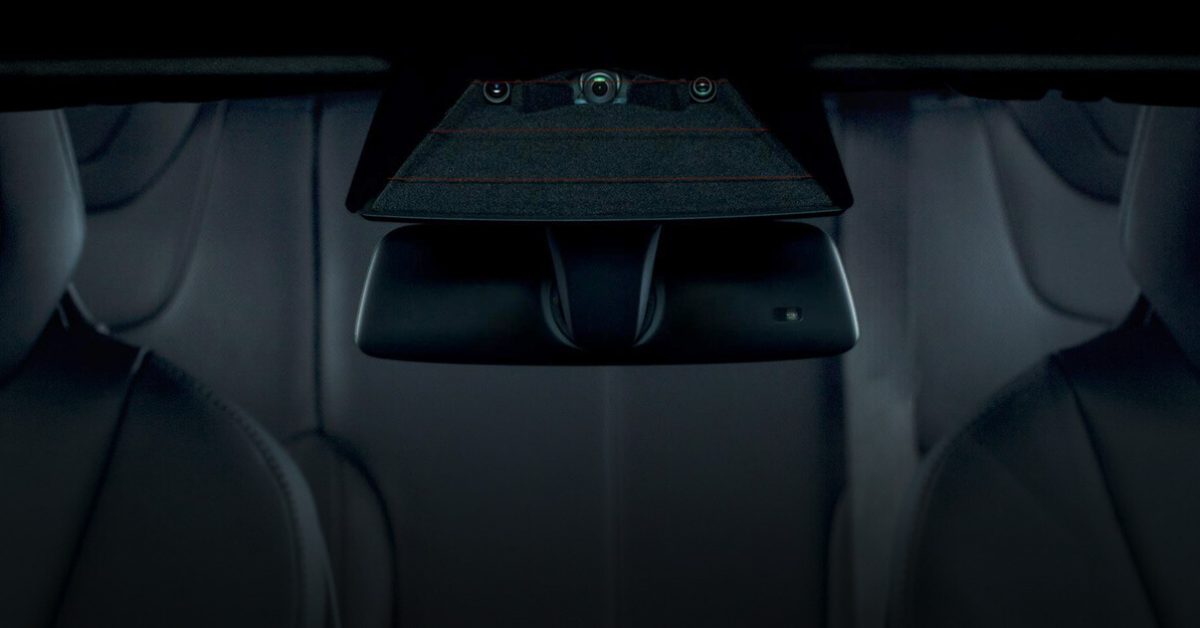
Tesla Full Self-Driving Update Issues False Camera Alerts
Tesla's latest Full Self-Driving update, version 14.3.9, is erroneously alerting owners that their…
1d ago
Mercedes-Benz Partners with Wayve for AI Driver Integration in Future Vehicles
Mercedes-Benz has finalized a production agreement with Wayve, a British self-driving startup, to…
1d ago
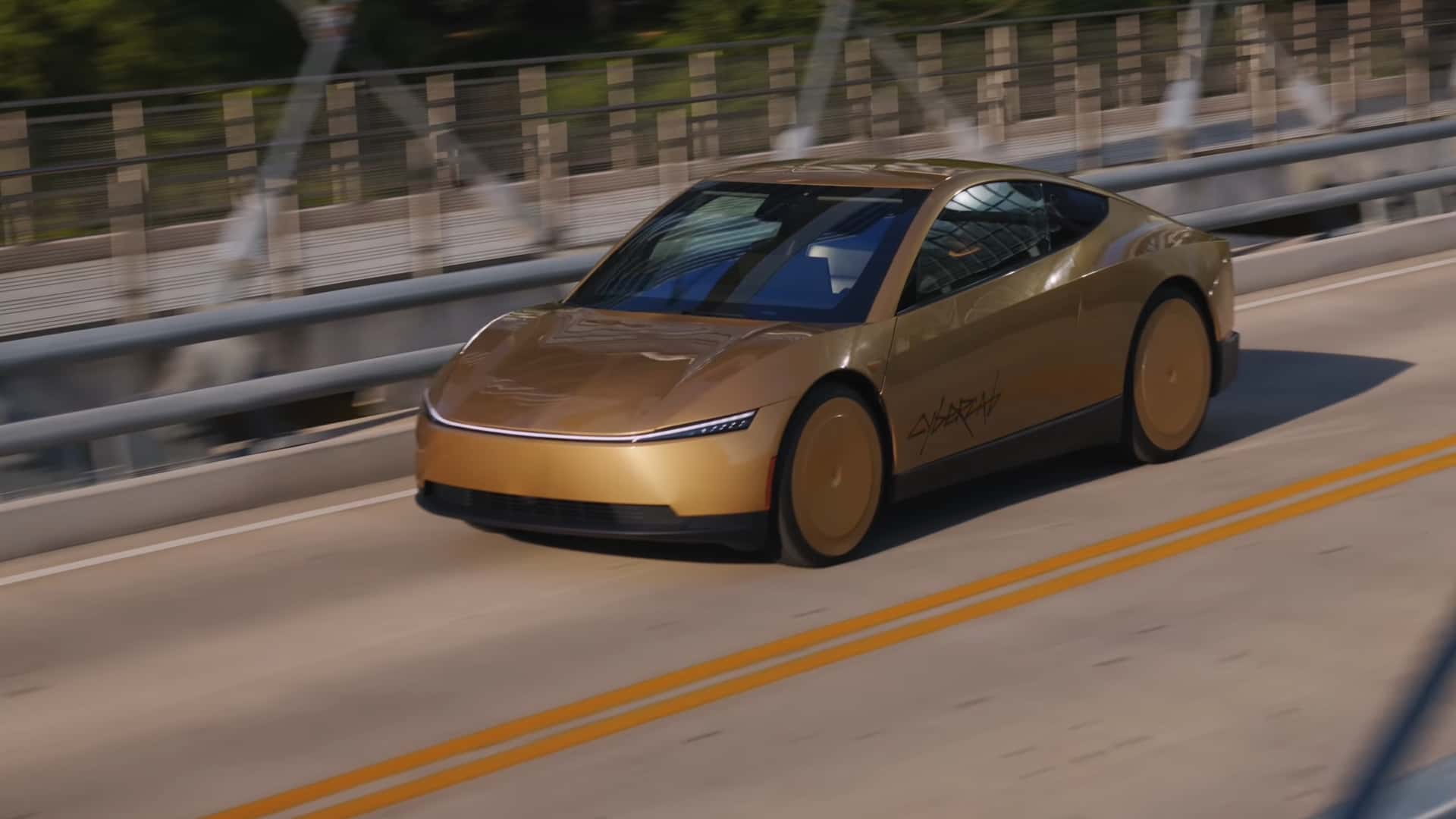
Tesla Cybercab Faces Navigation Issues Similar to Existing Tesla Models
Tesla's new Cybercab robotaxis are reportedly experiencing navigation problems, taking unusual…
2d ago