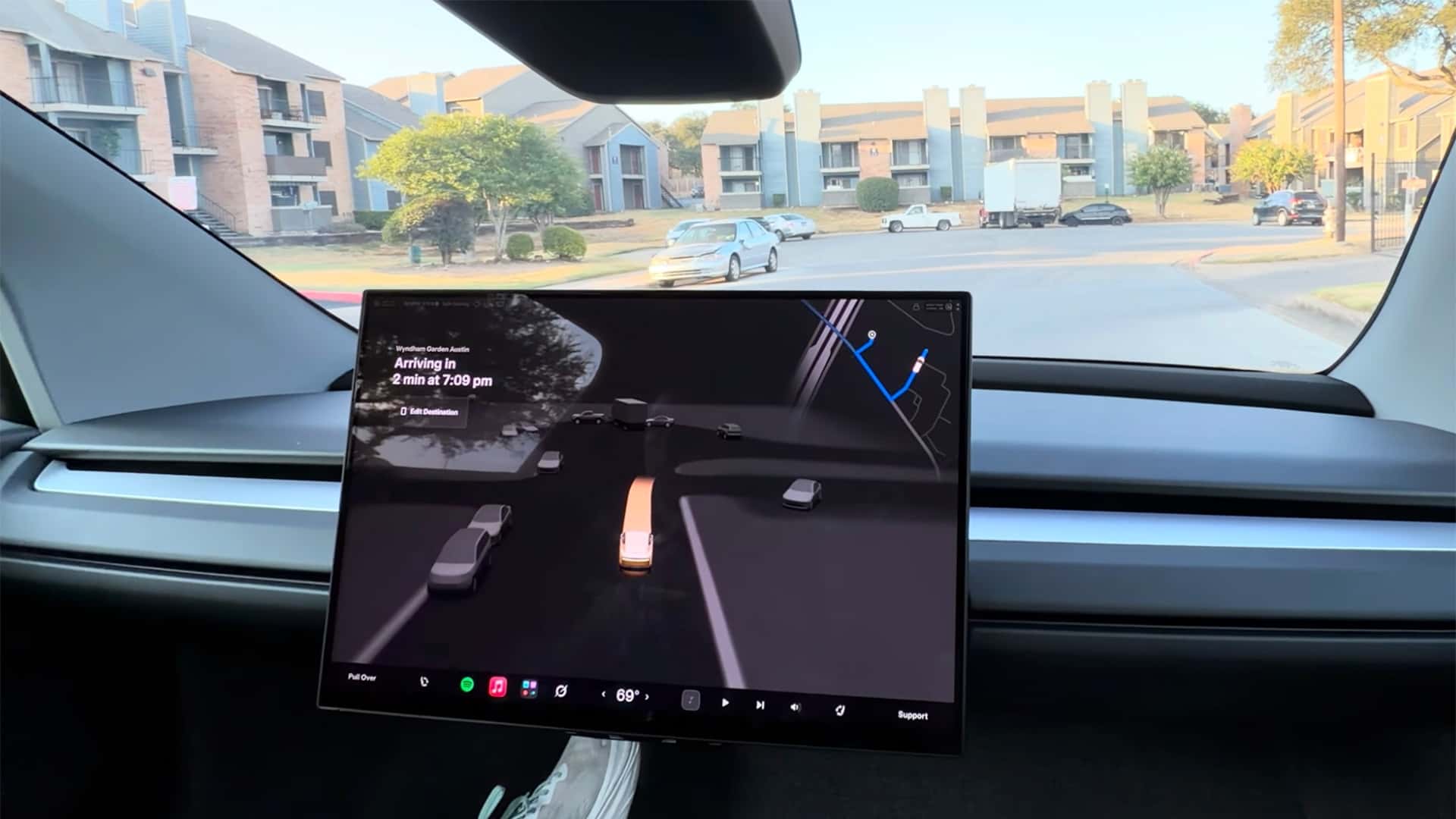
Tesla's Cybercab Successfully Completes Passenger Trip in Austin
Updated September 4, 2026
3 min read
1 linked source
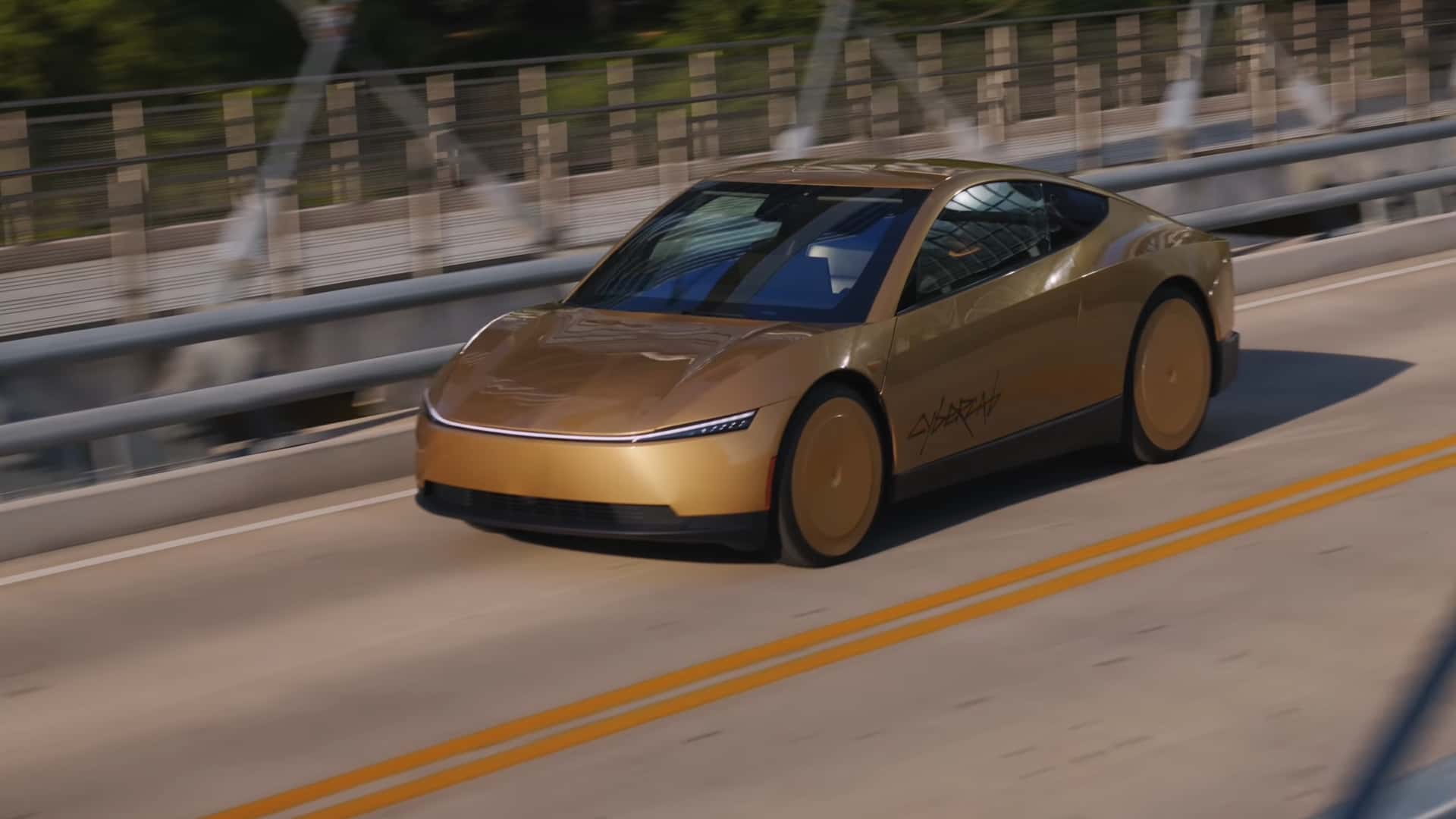
Tesla's self-driving Cybercab has successfully completed a passenger trip in Austin without any human intervention, steering wheel, or pedals. This marks a significant step in Tesla's autonomous vehicle technology, showcasing its capability in real-world scenarios. However, the broader implications for public availability and regulatory approval remain unclear.
Share this story
Why it matters
- ✓The successful operation of the Cybercab could lead to increased interest in Tesla's autonomous vehicle technology among potential buyers.
- ✓If Tesla expands its Cybercab service, it may provide a cost-effective transportation alternative for EV owners and users in urban areas.
- ✓The development of fully autonomous vehicles could influence future regulations and insurance models for EV ownership.
Reporting notes
EV Signal briefs are written to explain the verified change first, then add the context EV buyers and owners need to understand cost, availability, charging access, eligibility, or ownership impact.
If details are still developing, we try to say what is confirmed, what comes from secondary reporting, and what readers should verify before acting.
Source mix
1 linked source
1 media
Reviewed from: InsideEVs.
Tesla's Cybercab Successfully Completes Passenger Trip in Austin
Tesla's self-driving Cybercab has made headlines by completing a passenger trip in Austin, Texas, without any human intervention, steering wheel, or pedals. This demonstration highlights Tesla's advancements in autonomous vehicle technology and its potential for real-world applications.
What Changed
During the recent trip, the Cybercab operated seamlessly, transporting passengers through the city without requiring any input from a driver. This marks a significant milestone for Tesla, as it showcases the capabilities of its self-driving technology in a practical setting. The absence of traditional driving controls raises questions about the future of personal and shared transportation.
Why It Matters for Buyers and Owners
The successful operation of the Cybercab could have several implications for EV buyers and owners:
- Increased Interest in Autonomous Technology: The demonstration may spark greater interest in Tesla's autonomous vehicle capabilities, potentially influencing purchasing decisions for those considering EVs.
- Cost-Effective Transportation: If Tesla expands its Cybercab service, it could provide a new, cost-effective transportation option for urban dwellers, reducing reliance on personal vehicles.
- Regulatory and Insurance Implications: The development of fully autonomous vehicles may lead to changes in regulations and insurance models, which could affect current and future EV owners.
Key Details from Source Material
According to InsideEVs, the Cybercab's journey in Austin was described as "almost boring," indicating that the ride was smooth and uneventful. This perception of normalcy in the operation of a self-driving vehicle is a positive indicator of Tesla's technology maturity. However, the article does not provide specific details regarding the number of passengers, the route taken, or the duration of the trip, leaving some questions unanswered.
What to Watch Next
As Tesla continues to develop its autonomous driving technology, it will be important to monitor:
- Regulatory Developments: How local and federal regulations adapt to the introduction of autonomous vehicles in public spaces.
- Expansion Plans: Whether Tesla plans to roll out its Cybercab service in other cities and what that might mean for urban transportation.
- Public Reception: How consumers respond to the idea of using autonomous taxis and what that could mean for the future of personal vehicle ownership.
In conclusion, Tesla's Cybercab's successful trip in Austin is a noteworthy development in the realm of autonomous vehicles. While it demonstrates the potential for self-driving technology, the broader implications for EV buyers and owners will depend on future advancements and regulatory frameworks.
Sources
These are the documents and reports used to build this brief so readers can verify the story directly.
Comments
Log in with
Loading comments…
More in Software
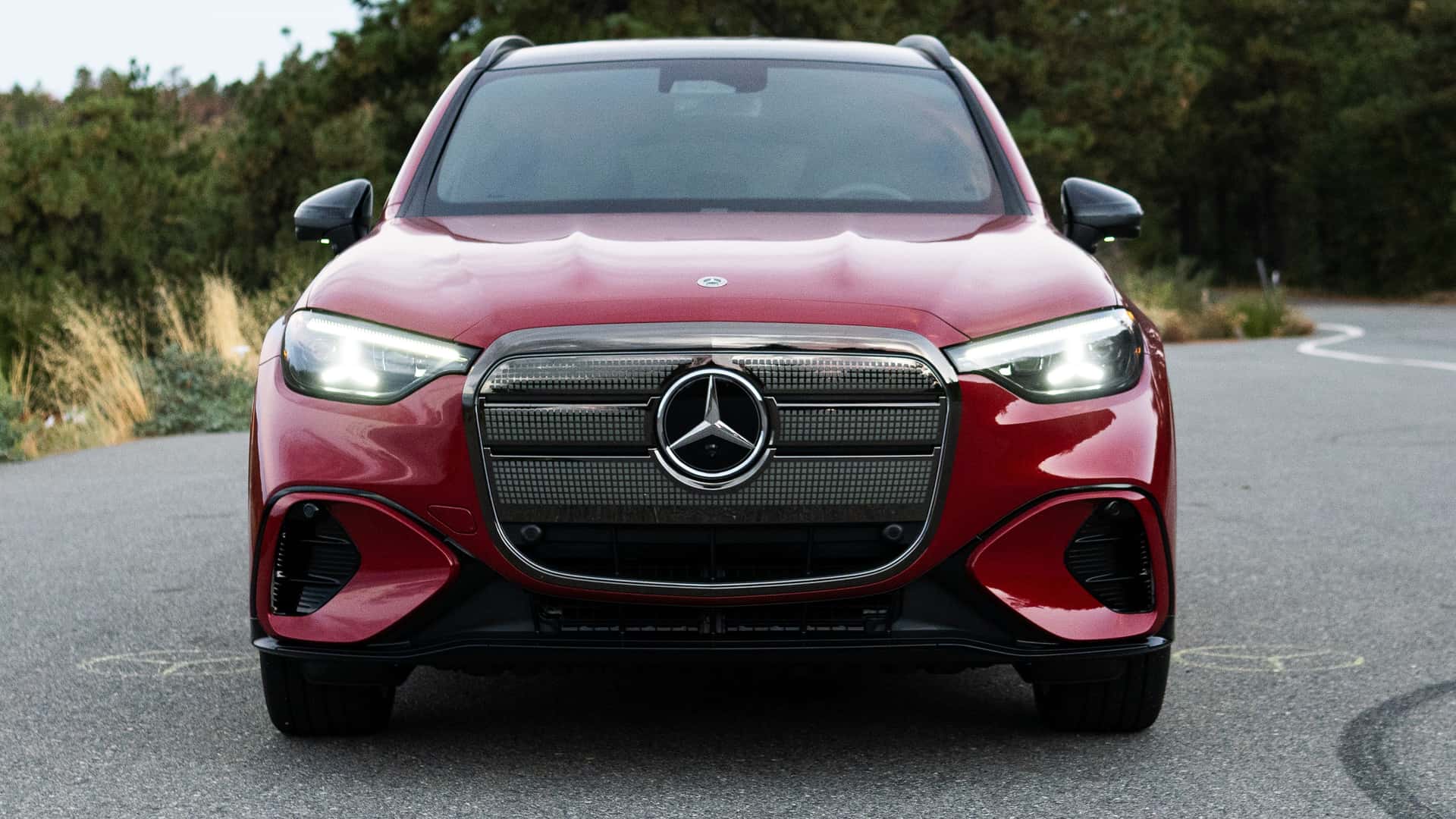
Mercedes Partners with Wayve for Advanced Driver Assistance System
Mercedes-Benz has announced a collaboration with Wayve to develop a driver assistance system…
1d ago
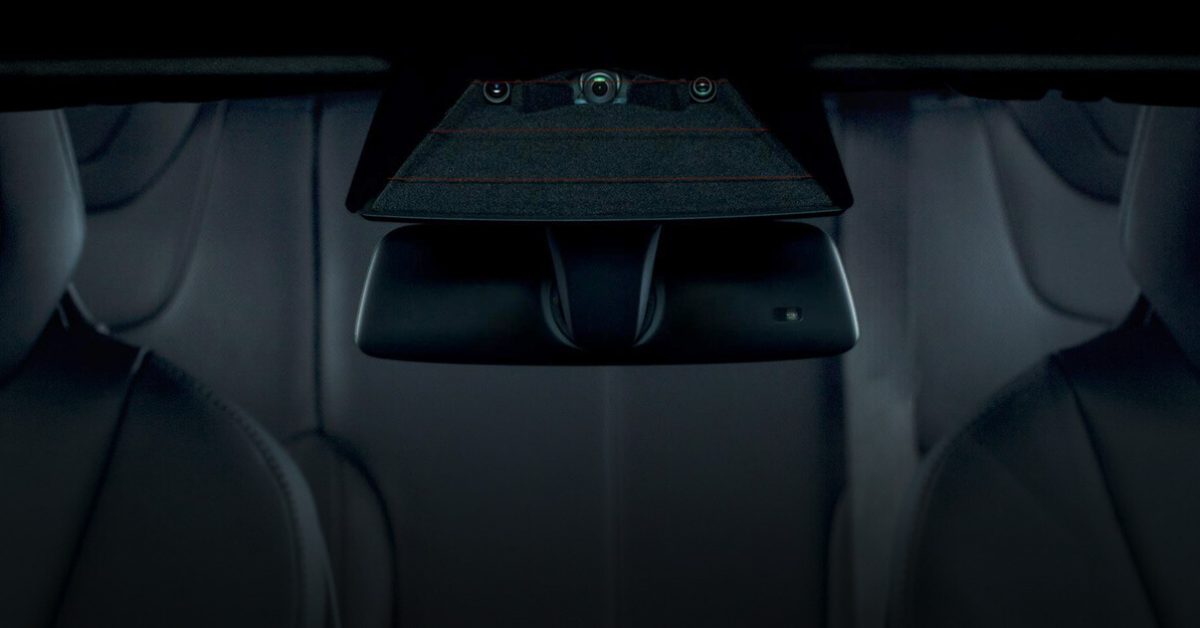
Tesla Full Self-Driving Update Issues False Camera Alerts
Tesla's latest Full Self-Driving update, version 14.3.9, is erroneously alerting owners that their…
1d ago
Mercedes-Benz Partners with Wayve for AI Driver Integration in Future Vehicles
Mercedes-Benz has finalized a production agreement with Wayve, a British self-driving startup, to…
1d ago
Tesla Cybercab Faces Navigation Issues Similar to Existing Tesla Models
Tesla's new Cybercab robotaxis are reportedly experiencing navigation problems, taking unusual…
2d ago